
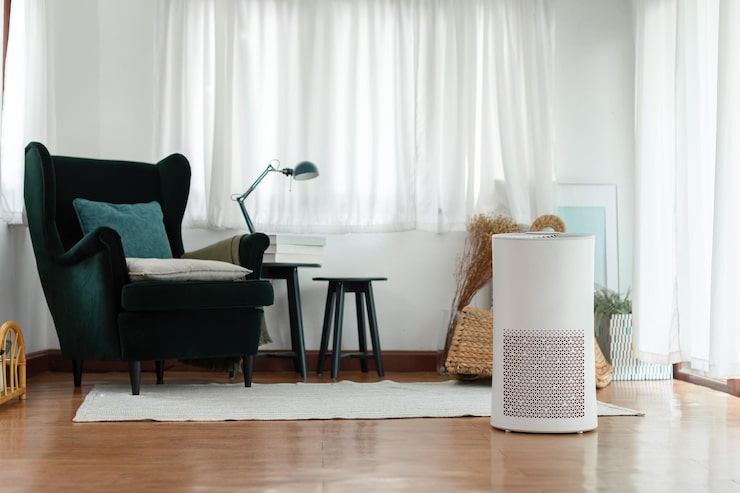
Excess indoor humidity can create more problems than just discomfort—it may cause mold growth, damage furniture, and even impact health. A dehumidifier is one of the most effective tools to control moisture levels indoors. But with so many models and features on the market, choosing the right one can feel overwhelming.
This buying guide breaks down the most important factors to consider, highlights pros and cons of different types, and offers insights on how to match a dehumidifier to your living space and lifestyle.
Devices | Features | Price |
|---|---|---|
Dehumidifiers for Home | 16L/Day |
What to Consider Before Buying a Dehumidifier
1. Room Size & Coverage Area
- Small spaces (up to 300 sq. ft.): A compact or mini dehumidifier is usually sufficient for bathrooms, closets, or offices.
- Medium spaces (300–800 sq. ft.): Portable mid-sized units are ideal for bedrooms or living rooms.
- Large spaces (800–1,500 sq. ft. and above): High-capacity or whole-house dehumidifiers can handle basements, garages, or open-plan homes.
Tip: Always choose a slightly higher capacity if you live in a very humid climate.
2. Dehumidification Capacity
Capacity is measured in pints per day (PPD), which tells you how much moisture the unit can remove in 24 hours.
- Light use: 20–30 PPD
- Moderate use: 40–50 PPD
- Heavy use: 60–70 PPD or more
3. Drainage Options
- Manual tank removal: Requires emptying the water bucket regularly.
- Continuous drain hose: Useful if you want less maintenance.
- Built-in pump: Allows upward drainage into sinks or out windows.
4. Energy Efficiency
Look for Energy Star–certified models that reduce electricity use while maintaining performance.
5. Noise Levels
If placing in a bedroom or office, noise can be a deciding factor. Smaller models tend to be quieter, but some large-capacity units now include “low-noise” or “sleep” modes.
6. Smart Features
Modern dehumidifiers often include:
- Digital humidistats for precision
- Auto-shutoff when the tank is full
- Wi-Fi or app connectivity
- Filter indicators
Product Summary: Types of Dehumidifiers
| Type | Best For | Pros | Cons |
|---|---|---|---|
| Portable Room Units | Bedrooms, living rooms | Easy to move, affordable | Limited to single rooms |
| Whole-House Systems | Large homes, basements | Covers big areas, integrates with HVAC | Higher cost, professional installation |
| Mini/Compact Models | Bathrooms, closets, RVs | Lightweight, energy-efficient | Low capacity, frequent emptying |
| Desiccant Dehumidifiers | Cold climates, small rooms | Works well at low temperatures | Generally smaller capacity |
Pros & Cons of Using a Dehumidifier
Pros
- Reduces allergens like mold, mildew, and dust mites
- Protects wood furniture, floors, and electronics
- Improves comfort in humid climates
- Helps laundry dry faster indoors
Cons
- Requires maintenance (emptying tank or cleaning filters)
- Can increase energy bills if used continuously
- Some models are noisy
- Initial investment cost varies widely
Who It’s Best For
- Homeowners in humid regions: Prevent structural damage and mold.
- Apartment dwellers: Compact units are great for small spaces.
- Families with allergies or asthma: Reducing humidity helps minimize triggers.
- Basement users: Keep storage, laundry, or entertainment spaces dry.
- Travelers and RV owners: Mini dehumidifiers keep small areas fresh.
FAQs About Buying a Dehumidifier
Q1: What humidity level should I aim for indoors?
Most experts recommend keeping indoor humidity between 30%–50%.
Q2: How often do I need to empty the water tank?
It depends on the tank size and humidity level. Small tanks may need emptying daily, while large-capacity models can last several days.
Q3: Can I use a dehumidifier year-round?
Yes, but in very dry winter climates it may not be necessary. Desiccant models work better in colder seasons.
Q4: Do dehumidifiers also cool the air?
Not exactly. They can make a room feel cooler by removing excess moisture, but they don’t replace an air conditioner.
Q5: How long does a dehumidifier last?
With proper care, most models last 5–10 years. Regular cleaning of filters and coils extends lifespan.
Final Recommendation
Choosing the right dehumidifier depends on room size, capacity needs, and lifestyle preferences. For small spaces, a compact unit works well; for large or damp areas, a high-capacity or whole-house model is more effective.
If convenience matters, look for features like continuous drainage or Wi-Fi control. On the other hand, if you just need a basic unit to protect your belongings from moisture, a simple portable model may be all you need.
By evaluating your space, budget, and comfort requirements, you can invest in a dehumidifier that not only controls humidity but also creates a healthier and more comfortable home environment.