
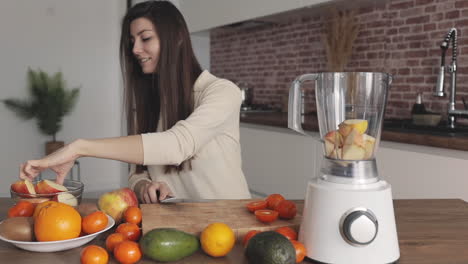
Juicing has become a favorite way to kickstart mornings, fuel workouts, and add nutrients to everyday meals. Whether you’re blending leafy greens for detox drinks, crafting refreshing fruit juices for the family, or preparing high-energy shots with ginger and turmeric, a juicer machine can be a game-changer in your kitchen.
But with so many options—centrifugal, masticating, citrus, and even cold press juicers—choosing the right one can feel overwhelming. Some focus on speed, while others maximize nutrient retention. Some models are compact and great for beginners, while others are professional-grade machines meant for daily use.
This guide will help you understand the types of juicer machines, what to consider before buying, their pros and cons, and who each style is best for. By the end, you’ll know exactly what kind of juicer fits your lifestyle, budget, and health goals.
Devices | Features | Price |
|---|---|---|
Juicer Machines | Cold Press Slow |
What to Consider Before Buying
When choosing a juicer, think about how you’ll use it and what results you expect. Here are key factors to keep in mind:
1. Juicer Type
- Centrifugal Juicers – Fast spinning blades separate juice from pulp. Ideal for beginners who want quick results.
- Masticating (Slow or Cold Press) Juicers – Crush and press produce to extract juice, preserving nutrients and enzymes. Great for health-focused users.
- Citrus Juicers – Designed for oranges, lemons, limes, and grapefruits. Compact and simple for citrus lovers.
- Twin Gear (Triturating) Juicers – High-end machines that grind produce with twin gears. They deliver maximum juice yield and nutrition but are more expensive.
2. Speed and Efficiency
- Faster juicers save time but may generate heat that reduces nutrient quality.
- Slow juicers take more time but produce smoother, higher-quality juice with less foam.
3. Ease of Cleaning
- Juicers with fewer parts are easier to clean.
- Look for dishwasher-safe parts if you want hassle-free maintenance.
4. Noise Level
- Centrifugal juicers are louder due to high-speed motors.
- Masticating and citrus juicers operate more quietly, which is ideal for morning use.
5. Pulp Ejection
- External pulp containers make continuous juicing easier.
- Internal pulp storage may require frequent cleaning during use.
6. Size and Storage
- Compact designs work best for small kitchens.
- Larger, heavy-duty juicers are better suited for frequent juicing or batch prep.
7. Budget Range
- Entry-level juicers: Affordable and practical for beginners.
- Mid-range: Balance of speed, nutrition retention, and durability.
- Premium: Long-lasting machines with high juice yield and advanced features.
Product Summary
A juicer machine extracts liquid from fruits, vegetables, and leafy greens. Depending on the model, it may use high-speed blades, slow grinding augers, or specialized reamers for citrus. Most models include:
- Feed chute for produce
- Juicing mechanism (blade, auger, or gears)
- Juice container
- Pulp collector
- Cleaning accessories
Some modern juicers also feature wide chutes (to reduce prep time), drip-free spouts, and multiple speed settings.
Pros & Cons
| Pros | Cons |
|---|---|
| Fresh, nutrient-rich juice at home | Some juicers are bulky and take up counter space |
| Variety—works with fruits, veggies, and leafy greens | Cleaning can be time-consuming for complex models |
| Saves money compared to store-bought juice | Premium models can be expensive |
| Allows creative recipes like detox blends or nut milks | High-speed models may cause nutrient loss |
| Healthier lifestyle—supports daily fruit/veggie intake | Noise can be an issue with centrifugal juicers |
Who It’s Best For
- Health Enthusiasts: Masticating juicers for nutrient-rich drinks.
- Busy Professionals: Centrifugal juicers for quick, on-the-go juices.
- Families: Large-capacity juicers to prepare multiple servings.
- Citrus Lovers: Citrus juicers for simple orange juice mornings.
- Fitness Buffs: Twin gear juicers for wheatgrass shots and green juices.
- Beginners: Affordable, compact models for occasional use.
Comparison of Juicer Types
| Feature | Centrifugal | Masticating | Citrus | Twin Gear |
|---|---|---|---|---|
| Speed | Very fast | Slow | Moderate | Slowest |
| Nutrient Retention | Medium | High | High for citrus | Highest |
| Noise Level | Loud | Quiet | Quiet | Quiet |
| Best For | Quick everyday juices | Green juice, detox | Citrus lovers | Juice enthusiasts, max yield |
| Ease of Cleaning | Moderate | Moderate | Very easy | Time-consuming |
| Price Range | Low–Mid | Mid–High | Low | High |
Real-World Insights
From real-world users and expert reviews:
- Centrifugal juicers are a favorite for people who want a quick glass of juice before work, but many note foam and slightly less flavor compared to slow juicers.
- Masticating juicers get high praise from nutrition-focused buyers who like experimenting with kale, spinach, and ginger shots. They also tend to produce drier pulp, meaning less waste.
- Citrus juicers are widely loved for their simplicity—especially by families who enjoy weekend breakfasts with fresh orange juice.
- Twin gear juicers attract serious juice enthusiasts and health-conscious households who don’t mind investing more time and money for the best yield.
FAQs
1. What fruits and vegetables work best in juicers?
- Centrifugal: Apples, carrots, beets.
- Masticating: Leafy greens, celery, berries.
- Citrus: Oranges, lemons, grapefruits.
- Twin gear: Wheatgrass, hard roots, and soft fruits.
2. How do juicers differ from blenders?
Blenders crush all ingredients (fiber included) into smoothies, while juicers separate liquid from pulp for smoother drinks.
3. Are juicers hard to clean?
Depends on the design. Some models have dishwasher-safe parts and cleaning brushes to make it easier.
4. Can I make nut milk in a juicer?
Yes, many masticating and twin gear juicers allow almond, cashew, or soy milk preparation.
5. How long can homemade juice last?
Fresh juice is best consumed immediately but can last up to 24–72 hours refrigerated, depending on the juicer type.
Use Case Scenarios
- Morning Kickstart: A centrifugal juicer makes fresh carrot-apple juice in under a minute.
- Detox Cleanse: A masticating juicer is perfect for kale-spinach-cucumber blends.
- Weekend Family Breakfasts: Citrus juicers deliver quick orange or grapefruit juice for the table.
- Fitness Prep: Twin gear models extract nutrient-dense wheatgrass shots post-workout.
- Meal Prep: Large-capacity juicers let you bottle juice for two days in one session.
Tips for Buying the Right Juicer
- Match the juicer type to your lifestyle. If you want speed, go centrifugal. If you value nutrition, go masticating.
- Check chute size. Wide chutes save prep time by fitting whole fruits.
- Look for safety features. Non-slip bases and auto shut-off add peace of mind.
- Think about cleanup. The fewer parts, the easier it is to clean.
- Consider storage space. Compact designs work well in small kitchens.
- Balance budget with needs. Premium doesn’t always mean necessary—buy what you’ll use daily.
Final Recommendation
Choosing the right juicer machine depends on how often you juice, what produce you love, and how much time you’re willing to spend on prep and cleaning.
- For speed: Centrifugal juicers shine.
- For nutrition and versatility: Masticating juicers are the best bet.
- For citrus lovers: Compact citrus juicers deliver convenience.
- For serious juice fans: Twin gear machines offer top yield and quality.
If your goal is simply to add more fresh juice into your lifestyle, even an entry-level model can make a big difference. But if you’re committed to long-term health and juicing multiple times a week, investing in a slow or twin gear juicer may be the smarter choice.
At the end of the day, the best juicer machine is the one that fits your routine, health goals, and kitchen space.