
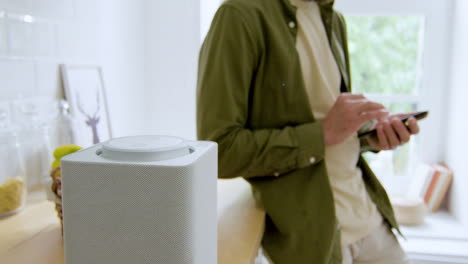
Indoor air quality is something many people overlook, yet it directly impacts our health, comfort, and overall well-being. Dust, pet dander, smoke, mold spores, and even everyday household chemicals can contribute to polluted indoor air. For allergy sufferers, asthmatics, or families living in high-pollution areas, these airborne particles can become more than just a nuisance—they can trigger serious health issues.
This is where air purifiers for home come in. Designed to filter out microscopic contaminants, these devices help create a cleaner, healthier indoor environment. But with so many different models on the market, it can be overwhelming to decide which purifier is right for your needs. Should you prioritize HEPA filters, activated carbon, quiet operation, or smart features?
This buying guide breaks down everything you need to know before investing in an air purifier.
Devices | Features | Price |
|---|---|---|
Air Purifier | Home |
What to Consider Before Buying an Air Purifier
1. Room Size and Coverage Area
- Always check the CADR (Clean Air Delivery Rate) rating. This tells you how efficiently the purifier can clean air in a given space.
- Small purifiers are good for bedrooms or offices, while larger units are designed for living rooms or open floor plans.
2. Filtration Technology
Different air purifiers use different filters, each with unique strengths:
- HEPA Filters: Capture 99.97% of particles as small as 0.3 microns, including pollen and dust.
- Activated Carbon Filters: Best for odors, smoke, and chemical pollutants.
- UV-C Light: Targets bacteria and viruses, often used as an extra layer of protection.
- Ionizers: Release charged ions to clump particles together for easier filtration.
3. Noise Level
Since many people run their air purifiers at night, noise matters. Look for models with sleep mode or low-decibel ratings if you’re sensitive to sound.
4. Energy Efficiency
Some purifiers run 24/7, so energy consumption adds up. Energy Star–certified models save power without compromising performance.
5. Maintenance and Filter Replacement
Filters must be replaced regularly. Some purifiers include filter change indicators, while others require manual tracking. Consider both availability and cost of replacement filters before buying.
6. Smart Features
Modern purifiers often include:
- Air quality sensors
- App-based controls
- Integration with smart assistants
- Auto-adjusting fan speeds
These features make air management more convenient, especially for busy households.
Product Summary: Types of Air Purifiers
Here’s a breakdown of the main air purifier types available:
- HEPA Purifiers: Best for allergies, dust, and pollen.
- Carbon-based Purifiers: Ideal for eliminating smoke, cooking smells, and chemical odors.
- Hybrid Models: Combine HEPA and carbon for all-around protection.
- Portable Purifiers: Lightweight and travel-friendly, great for single rooms.
- Whole-house Systems: Integrated into HVAC systems, covering larger areas.
Pros & Cons of Air Purifiers
| Type | Pros | Cons |
|---|---|---|
| HEPA Filter Purifier | Excellent for dust, pollen, and allergens | Doesn’t remove odors or gases |
| Carbon Filter Purifier | Removes odors, VOCs, and smoke | Needs frequent filter replacement |
| UV-C Purifier | Kills bacteria and viruses | Less effective for dust or allergens |
| Ionizer | Affordable, low maintenance | Can produce ozone (check safety standards) |
| Hybrid Purifier | Comprehensive coverage | More expensive upfront |
| Portable Purifier | Easy to move between rooms | Limited coverage area |
Who It’s Best For
- Allergy Sufferers: A HEPA purifier is essential for filtering dust and pollen.
- Families with Pets: Hybrid models capture pet hair, dander, and odors.
- Smokers or Urban Households: Activated carbon filters remove lingering smoke and city pollution.
- Parents with Young Children: UV-C and HEPA combinations help reduce bacteria, germs, and dust.
- Tech-Savvy Users: Smart purifiers with Wi-Fi and air quality sensors offer real-time updates.
- Minimalists: Portable purifiers work well in small apartments or dorms.
Real-World Use Cases
- In the Bedroom: A quiet HEPA purifier ensures you wake up congestion-free.
- In the Kitchen: Carbon filters eliminate strong cooking smells or smoke.
- In the Living Room: A hybrid purifier provides all-around coverage in shared family spaces.
- For Pet Owners: Keeps fur and odors under control, especially in multi-pet homes.
- During Allergy Season: Running the purifier all day helps prevent seasonal flare-ups.
- For City Living: Removes smog, vehicle emissions, and construction dust from indoor air.
Expert Insights
- Medical Experts: Allergists recommend HEPA purifiers for patients with asthma and seasonal allergies.
- Environmental Specialists: Suggest carbon filters in homes near highways or factories to reduce chemical exposure.
- Tech Reviewers: Often highlight the efficiency of smart-enabled purifiers that auto-adjust to changing air conditions.
FAQs
1. How often should I run an air purifier?
For best results, run it continuously. Most models are designed for 24/7 operation.
2. Do air purifiers help with COVID-19 or viruses?
HEPA filters can trap particles carrying viruses, while UV-C light can deactivate them, but no purifier can guarantee full protection.
3. How often should I replace filters?
Every 6–12 months for HEPA filters and every 3–6 months for carbon filters, depending on usage and environment.
4. Can one purifier clean my whole house?
Not usually. Most portable purifiers cover single rooms, while whole-house systems connect to HVAC units.
5. Are air purifiers safe for pets?
Yes, but avoid models that generate ozone, as it can irritate pets’ lungs.
6. Will it increase my electricity bill?
Energy-efficient models consume roughly the same power as a light bulb, making them affordable to run.
Comparison Table of Air Purifiers
| Feature | HEPA Purifier | Carbon Purifier | Hybrid Purifier | Portable Purifier |
|---|---|---|---|---|
| Best For | Allergens, dust | Odors, smoke, VOCs | All-around use | Small rooms |
| Coverage | Small–large | Small–medium | Medium–large | Small |
| Noise Level | Moderate | Low | Varies | Low |
| Filter Cost | Medium | Higher | Higher | Low |
| Smart Features | Sometimes | Rare | Common | Rare |
Buying Tips
- Match the purifier to your room size—a small device won’t perform well in a large living room.
- Check filter costs before buying; some models are inexpensive upfront but costly to maintain.
- Look for true HEPA filters, not “HEPA-like” alternatives.
- Choose multi-stage filtration if you want protection against both allergens and odors.
- Prioritize quiet models for bedrooms or nurseries.
- Ensure certifications such as Energy Star and safety marks.
Final Recommendation
Air purifiers are no longer just luxury appliances—they’re a necessity for healthier living, especially in households affected by allergies, pets, or pollution. The best choice depends on your specific needs:
- For allergies and asthma → Go for a HEPA-based purifier.
- For smoke and odors → A carbon filter purifier works best.
- For overall coverage → Hybrid purifiers with both HEPA and carbon filters are a solid investment.
- For small apartments or dorms → Portable purifiers keep the air fresh without taking up much space.
- For tech lovers → Smart purifiers with auto-adjusting sensors simplify air quality management.
By balancing coverage, filtration type, noise level, and maintenance costs, you can select a purifier that fits both your lifestyle and budget. Investing in the right air purifier means investing in better sleep, fewer allergies, and healthier lungs—making your home the safe haven it’s meant to be.