
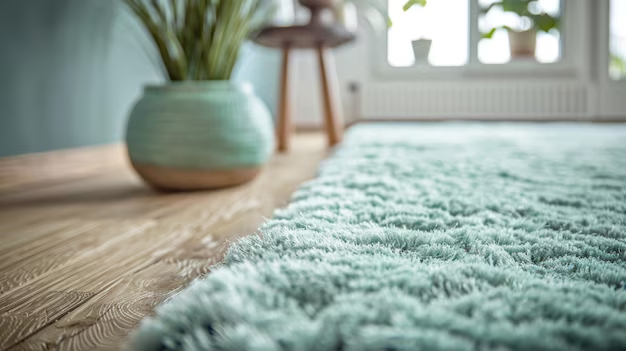
An area rug is one of the most impactful elements you can add to your living room. Beyond being a decorative accessory, it anchors furniture, defines seating spaces, reduces noise, and adds warmth underfoot. Whether you want to make a bold style statement with vibrant patterns or prefer a neutral rug that complements existing décor, the right choice can transform your living room into a more inviting and cohesive space.
But shopping for the perfect rug can be overwhelming. Should you choose wool, cotton, or synthetic fibers? Is a low-pile rug better than a shag rug? How do you know what size will fit best under your sofa and coffee table?
This comprehensive guide answers those questions and more. We’ll walk through the key factors to consider before buying, compare rug materials and pile heights, and provide expert insights to help you select a rug that balances beauty, comfort, and practicality.
Devices | Features | Price |
|---|---|---|
Area Rug Living room | 80 x 120 cm | |
Modern Rugs Living Room | 120×170 cm |
What to Consider Before Buying an Area Rug
1. Size and Placement
Choosing the right size is one of the most important decisions:
- Small Rugs (3’x5’ or 4’x6’): Work well in small living rooms, but can sometimes look lost if not proportioned correctly.
- Medium Rugs (5’x7’ or 6’x9’): Fit nicely under a coffee table, with front sofa legs resting on the rug.
- Large Rugs (8’x10’, 9’x12’): Anchor larger spaces, allowing all furniture legs to sit on the rug for a polished look.
📏 Tip: Interior designers often recommend leaving 12–18 inches of bare floor between the edges of the rug and the wall for balance.
2. Material Choices
| Material | Pros | Cons | Best For |
|---|---|---|---|
| Wool | Naturally durable, soft, resists stains | Expensive, may shed initially | High-traffic living rooms |
| Cotton | Affordable, easy to clean, lightweight | Less durable, prone to fading | Casual or relaxed décor |
| Polypropylene | Budget-friendly, stain-resistant, easy to maintain | Less eco-friendly, may flatten over time | Families with kids or pets |
| Jute/Sisal | Eco-friendly, textured, rustic charm | Rough underfoot, not stain-resistant | Natural, bohemian spaces |
| Silk/Viscose | Luxurious sheen, elegant feel | Expensive, delicate, high maintenance | Formal or low-traffic living rooms |
3. Pile Height
- Low Pile (under 0.25”): Durable, easy to vacuum, and suitable for heavy foot traffic.
- Medium Pile (0.25–0.5”): Offers a mix of comfort and resilience.
- High Pile/Shag (0.75” and above): Soft, cozy, and luxurious but harder to maintain.
Example: A low-pile rug is practical for a busy family living room, while a high-pile rug adds coziness to a lounge-style space used for relaxation.
4. Style & Design
- Neutral Rugs: Blend seamlessly into various décor styles.
- Patterned Rugs: Hide stains well and add personality.
- Light Colors: Make small rooms appear larger.
- Dark Colors: Anchor big spaces and conceal dirt.
5. Maintenance Needs
- Easy-Clean Materials: Cotton and polypropylene rugs are low-maintenance.
- Vacuuming Frequency: Low pile requires weekly vacuuming, while shag rugs may need more care.
- Deep Cleaning: Every 12–18 months is recommended, depending on foot traffic.
Product Summary: Common Area Rug Types
Here are the most popular rug types for living rooms:
- Traditional Area Rugs – Classic patterns, timeless look.
- Modern/Contemporary Rugs – Abstract, geometric, or minimalist designs.
- Shag Rugs – Plush, cozy, best for comfort-focused spaces.
- Flatweave Rugs – Lightweight, reversible, easy to move and clean.
- Natural Fiber Rugs – Earthy textures, sustainable materials like jute or sisal.
Pros & Cons of Popular Area Rugs
Wool Rugs
✅ Long-lasting, luxurious feel
❌ Expensive and heavy
Cotton Rugs
✅ Affordable, machine-washable (smaller sizes)
❌ Less durable, prone to wear
Polypropylene Rugs
✅ Stain-resistant, budget-friendly
❌ Less eco-conscious, synthetic feel
Jute & Sisal Rugs
✅ Eco-friendly, rustic appeal
❌ Scratchy underfoot, not water-resistant
Shag Rugs
✅ Extremely soft and cozy
❌ Difficult to vacuum, traps dust
Who It’s Best For
- Families with Children: Polypropylene or cotton rugs that handle spills and stains.
- Pet Owners: Low-pile rugs that don’t trap fur and are easy to clean.
- Luxury Seekers: Wool or silk rugs that provide elegance and comfort.
- Eco-Conscious Buyers: Natural fiber rugs like jute, sisal, or organic cotton.
- Minimalist Homes: Neutral-toned flatweave rugs for simplicity and versatility.
Real-Life Insights & Expert Opinions
- Personal Experience: After switching from a plush rug to a low-pile polypropylene rug, many homeowners note easier cleaning and less maintenance stress—especially with pets.
- Expert Advice: Designers suggest that the rug should extend at least 6–8 inches beyond the coffee table for proportional balance.
- Research Findings: Wool rugs remain a favorite for their natural resilience, while synthetic options dominate the budget-friendly market due to durability and affordability.
FAQs About Area Rugs
Q1: How do I choose the right rug size for my living room?
Measure your seating area and ensure the rug anchors your furniture. A larger rug generally looks more cohesive than a smaller one.
Q2: Should an area rug go under all furniture?
Not always. At minimum, the front legs of your sofa and chairs should rest on the rug to visually tie the space together.
Q3: Which rug is easiest to clean?
Low-pile synthetic rugs are the most stain-resistant and easiest to maintain.
Q4: How long do area rugs last?
With proper care, a wool rug can last decades, while synthetic rugs typically last 5–10 years.
Q5: Can rugs reduce noise in the living room?
Yes, rugs absorb sound and reduce echo, making a room feel warmer and quieter.
Final Recommendation
An area rug is more than just a decorative accessory—it’s a functional investment in your living space. The best rug depends on your lifestyle, budget, and style preferences.
- For high-traffic living rooms, choose a durable wool or low-pile synthetic rug.
- For family-friendly homes, opt for easy-clean polypropylene or cotton rugs.
- For luxury décor, wool and silk rugs add elegance and comfort.
- For eco-conscious buyers, natural fiber rugs like jute or sisal bring rustic beauty.
Remember: measure carefully, consider your lifestyle needs, and balance aesthetics with practicality. The right rug will not only complete your living room but also provide comfort and functionality for years to come.