
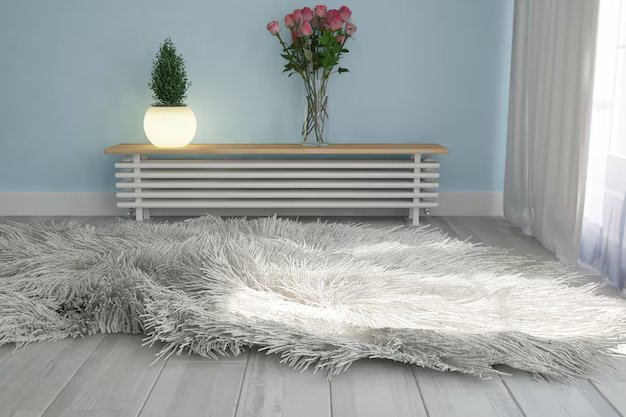
Area rugs are more than floor coverings—they are the foundation that completes a room’s design. In both living rooms and bedrooms, rugs serve a functional and aesthetic purpose. They soften footsteps, reduce noise, add warmth, and visually anchor furniture. A carefully chosen rug can make a living room feel cozier and more stylish, while in the bedroom, it offers a soft landing when you step out of bed each morning.
But with so many shapes, materials, textures, and sizes available, selecting the right area rug can feel overwhelming. Should you go with plush shag for maximum softness, or a low-pile rug for easy cleaning? What size looks balanced under a sofa or bed? Which materials are best for durability or allergy concerns?
This in-depth buying guide covers everything you need to know before purchasing an area rug for your living room or bedroom. You’ll find expert tips, pros and cons, real-life insights, and recommendations that will help you confidently choose the perfect rug for your home.
Devices | Features | Price |
|---|---|---|
Area Rug Living Room Bedroom | Modern Short Pile | |
Area Rugs Abstract Rug | Blue Grey |
What to Consider Before Buying
1. Room Purpose & Placement
- Living Room: A rug should anchor the seating area. Typically, either all furniture legs or at least the front legs of sofas and chairs rest on the rug.
- Bedroom: Rugs extend beneath the bed to create a soft, balanced look. Ideally, the rug reaches out from both sides and the foot of the bed.
2. Size and Proportion
Selecting the correct size is essential for balance and functionality.
| Room Type | Recommended Rug Sizes | Placement Tips |
|---|---|---|
| Living Room | 5’x8’, 8’x10’, 9’x12’ | Place under coffee table, extending beneath sofa/chairs |
| Bedroom (Queen Bed) | 8’x10’ | Rug extends at least 2–3 feet beyond bed sides |
| Bedroom (King Bed) | 9’x12’ | Covers full width, extends beyond footboard |
| Small Bedrooms | 5’x7’ or runners | Place on either side of the bed for comfort |
📏 Pro Tip: A rug that’s too small makes a room look unfinished. Always size up rather than down when in doubt.
3. Material Choices
Different fibers influence the rug’s durability, comfort, and care needs.
| Material | Pros | Cons | Best For |
|---|---|---|---|
| Wool | Naturally durable, stain-resistant, warm | Higher cost, initial shedding | Long-term investment, cozy living rooms |
| Cotton | Lightweight, affordable, easy to clean | Less durable, prone to fading | Kids’ rooms, casual bedrooms |
| Polypropylene (Synthetic) | Stain-resistant, affordable, easy care | Less eco-friendly, may flatten | High-traffic living rooms, pet households |
| Jute/Sisal | Eco-friendly, textured, rustic look | Rough underfoot, not water-resistant | Natural décor, bohemian bedrooms |
| Silk/Viscose | Luxurious sheen, elegant look | Expensive, delicate | Formal or low-traffic areas |
4. Pile Height
- Low Pile (under 0.25”): Durable, easier to clean, great for high-traffic rooms.
- Medium Pile (0.25–0.5”): Balanced comfort and practicality.
- High Pile/Shag (0.75” and above): Soft and luxurious but harder to vacuum.
Example: In a busy family living room, a low-pile polypropylene rug handles spills better than a shag rug. In a bedroom, plush high-pile rugs create a cozy feel.
5. Style & Color
- Neutral Rugs: Flexible, blend with various furniture styles.
- Patterned Rugs: Hide stains, add character to plain rooms.
- Light Colors: Brighten small spaces.
- Dark Colors: Anchor larger rooms and hide dirt better.
Product Summary: Popular Rug Types
- Traditional Area Rugs – Timeless patterns that add elegance.
- Modern Rugs – Geometric, abstract, or minimalist designs.
- Shag Rugs – High-pile softness, ideal for bedrooms.
- Flatweave Rugs – Lightweight, reversible, easy to move.
- Natural Fiber Rugs – Earthy tones, eco-friendly materials.
- Runner Rugs – Narrow rugs for bedside comfort or hallways.
Pros & Cons of Rugs in Living Rooms & Bedrooms
Living Room Rugs
✅ Define seating area, reduce noise, add warmth
❌ Large rugs may be costly, spills harder to clean
Bedroom Rugs
✅ Softness underfoot, cozy mornings, noise reduction
❌ Dust can collect under bed, harder to vacuum fully
Shag Rugs
✅ Plush, luxurious look
❌ Difficult to clean, traps allergens
Flatweave Rugs
✅ Easy to move and clean, budget-friendly
❌ Less cushioning, not as cozy
Who It’s Best For
- Families with Kids: Synthetic rugs (polypropylene) for durability and stain resistance.
- Pet Owners: Low-pile rugs that don’t trap fur.
- Minimalist Homes: Neutral flatweave rugs for a clean, uncluttered style.
- Luxury Seekers: Wool or silk rugs for timeless elegance.
- Eco-Conscious Buyers: Jute, sisal, or organic cotton rugs.
Real-Life Insights
- Personal Experience: A homeowner with pets found a low-pile synthetic rug much easier to maintain than a shag rug, which trapped fur.
- Designer Tip: Rugs should extend 18–24 inches beyond the bed to create balance.
- Research Insight: Studies show wool rugs last significantly longer than synthetics, making them a worthwhile investment.
FAQs About Area Rugs
Q1: Should a rug go under all furniture in the living room?
Not always. At minimum, the front legs of sofas and chairs should rest on the rug for a cohesive layout.
Q2: What size rug works best for a queen-size bed?
An 8’x10’ rug works well, extending beyond both sides and the foot of the bed.
Q3: Are shag rugs good for allergy sufferers?
No. Shag rugs trap dust and allergens easily. Low-pile rugs are better for allergies.
Q4: How often should I clean my rug?
Vacuum weekly and deep clean every 12–18 months. High-traffic areas may need more frequent cleaning.
Q5: Which material lasts the longest?
Wool rugs are the most durable, often lasting decades with proper care.
Final Recommendation
Choosing an area rug for your living room or bedroom is about balancing comfort, practicality, and style.
- For living rooms, pick a medium-to-large rug that anchors your seating arrangement. Materials like wool or polypropylene balance durability with beauty.
- For bedrooms, prioritize softness and warmth—shag or plush rugs work beautifully beside or beneath the bed.
- For budget-conscious buyers, cotton and synthetic rugs offer great value.
- For an eco-friendly choice, opt for jute or sisal rugs.
Ultimately, the right area rug transforms your space, making it warmer, more inviting, and better defined. With careful attention to size, material, pile height, and maintenance, you’ll find a rug that enhances both your living room and bedroom for years to come.