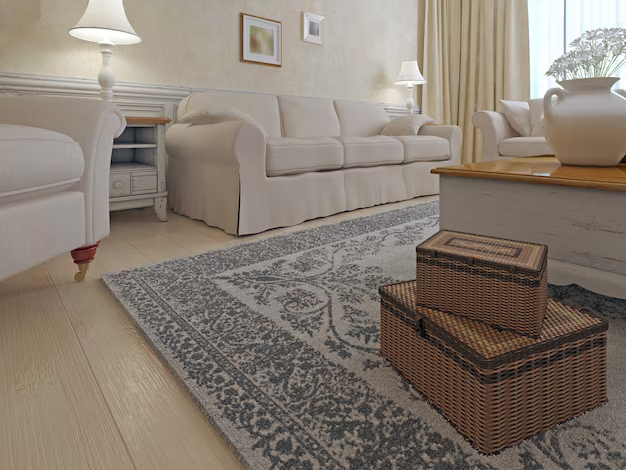
A rug is more than just a floor covering—it’s the foundation of a living room. It defines the space, adds warmth, enhances style, and creates a sense of comfort. Whether you’re designing a cozy family lounge or a modern minimalist living area, the right rug can transform your space from plain to inviting.
But buying a living room rug isn’t as simple as choosing a pretty pattern. You’ll need to consider size, material, durability, cleaning needs, and how it complements your furniture. With so many options available, it’s easy to feel overwhelmed.
This guide breaks down everything you need to know before purchasing a rug for your living room, offering comparisons, pros and cons, expert tips, and real insights to make sure your choice is stylish, practical, and long-lasting.
Devices | Features | Price |
|---|---|---|
Rugs Living Room | Black, 80 x 120 cm |
What to Consider Before Buying a Living Room Rug
1. Rug Size and Placement
The biggest mistake people make when buying rugs is choosing the wrong size.
- Small rugs can make the room look disconnected.
- Oversized rugs can overwhelm the space.
General guidelines:
- Large living rooms: Place all furniture legs on the rug.
- Medium rooms: Front legs of sofas and chairs on the rug.
- Small spaces: Center the rug with furniture framing it.
2. Material Matters
The rug material determines durability, texture, and maintenance.
- Wool: Soft, durable, and naturally stain-resistant—ideal for high-traffic areas.
- Cotton: Lightweight, affordable, and easy to clean—better for casual spaces.
- Jute/Sisal: Eco-friendly and textured—adds rustic charm but less comfy underfoot.
- Polypropylene: Budget-friendly, stain-resistant, and durable—good for families and pets.
- Silk or Viscose: Luxurious shine but delicate—best for low-traffic decorative use.
3. Style and Design
Your rug should reflect the room’s overall design theme.
- Traditional rugs: Intricate patterns, classic elegance.
- Modern rugs: Geometric shapes, minimalistic colors.
- Bohemian rugs: Vibrant colors, eclectic patterns.
- Neutral rugs: Simple tones for a clean, airy look.
4. Pile Height
Pile height refers to how thick or tall the rug fibers are.
- Low pile (flat, thin): Easy to clean, works well under furniture.
- Medium pile: Soft and cushioned, versatile for most living rooms.
- High pile (shag rugs): Luxurious feel but harder to maintain.
5. Durability and Maintenance
Ask yourself: Who will be using this rug daily?
- Kids and pets → Look for stain-resistant, washable materials.
- High-traffic areas → Durable low-pile rugs work best.
- Low-traffic decorative use → Softer, more delicate rugs can work.
6. Budget Range
Rugs come in all price points, from affordable synthetics to premium handmade wool designs. Think of a rug as an investment piece—cheaper options may need replacing more often, while higher-quality rugs can last decades with proper care.
Product Summary: Types of Living Room Rugs
| Rug Type | Best For | Pros | Cons |
|---|---|---|---|
| Wool | Families, long-term use | Soft, durable, stain-resistant | Higher cost |
| Cotton | Casual, small spaces | Lightweight, affordable, washable | Wears out faster |
| Jute/Sisal | Eco-friendly, rustic styles | Natural look, sustainable | Rough texture |
| Polypropylene | Kids, pets, high traffic | Stain-resistant, budget-friendly | May flatten over time |
| Silk/Viscose | Decorative, luxury settings | Elegant, shiny, soft | Expensive, delicate |
Pros & Cons of Living Room Rugs
Pros
✅ Defines and anchors furniture layout
✅ Adds warmth and insulation
✅ Enhances room design and style
✅ Protects flooring from scratches and wear
✅ Provides comfort underfoot
Cons
❌ Requires regular cleaning
❌ Quality rugs can be expensive
❌ Wrong size can throw off room balance
❌ Delicate materials may not suit busy households
Who Living Room Rugs Are Best For
- Families with kids or pets: Durable, washable, and stain-resistant options.
- Minimalists: Neutral-toned rugs that blend seamlessly.
- Design lovers: Bold patterns and unique textures as statement pieces.
- Eco-conscious buyers: Rugs made from natural fibers like jute, wool, or recycled materials.
- Small apartment dwellers: Medium-size rugs that maximize space without overcrowding.
Real Insights & Expert Opinions
- Interior designers often say: “A rug should be the anchor of your room—it pulls everything together.”
- Personal experience: Many homeowners find that upgrading from a small rug to a larger, correctly sized one makes their living room feel instantly bigger.
- Practical tip: Always use a rug pad underneath to prevent slipping, add cushioning, and extend rug life.
- Expert advice: Avoid placing delicate rugs in sunny spots—direct sunlight fades fibers faster.
FAQs About Buying Rugs for the Living Room
Q1: What size rug works best for a standard living room?
Usually, an 8×10 or 9×12 rug works for medium-to-large living rooms, but measure your space before buying.
Q2: Should the rug go under the sofa?
Yes, ideally at least the front legs of the sofa and chairs should rest on the rug for a cohesive look.
Q3: Are washable rugs good for living rooms?
Yes, especially in households with kids or pets. Washable rugs combine convenience with style.
Q4: How do I keep my rug from slipping?
Use a rug pad to keep it in place, protect floors, and add extra comfort.
Q5: How often should rugs be cleaned?
Vacuum weekly, spot-clean spills immediately, and deep-clean once or twice a year depending on use.
Final Recommendation
A living room rug is not just décor—it’s an essential element that defines comfort, style, and function. The best rug for your space depends on your household’s lifestyle, your design preferences, and your budget.
Here’s a recap for different needs:
- For durability and comfort → Wool or polypropylene rugs.
- For affordability and easy cleaning → Cotton or washable rugs.
- For natural style → Jute or sisal rugs.
- For luxury looks → Silk or viscose rugs.
When shopping, always consider size, material, pile height, and maintenance requirements. Choosing wisely ensures your rug not only elevates your living room’s aesthetic but also withstands everyday life.