
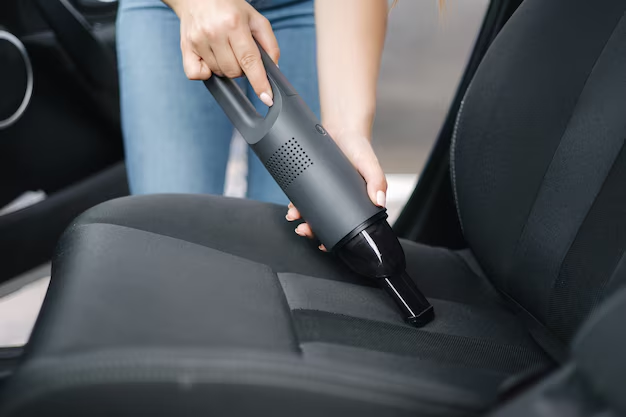
Handheld vacuum cleaners have become an essential tool in modern households, cars, and offices. Unlike traditional upright or canister vacuums, these compact devices are designed for quick cleanups and convenience. Whether it’s pet hair on the couch, crumbs in the car, or dust in hard-to-reach corners, handheld vacuums offer portability and ease of use without the hassle of dragging out a full-sized vacuum.
But with so many models available, choosing the right one can feel overwhelming. Should you opt for corded or cordless? How important is suction power? What about battery life or specialized attachments? This comprehensive buying guideline will walk you through everything you need to know before investing in a handheld vacuum cleaner.
Devices | Features | Price |
|---|---|---|
Handheld Vacuum Cleaner | Rechargeable |
What to Consider Before Buying
When purchasing a handheld vacuum cleaner, it’s important to evaluate specific features to match your lifestyle and cleaning needs.
1. Power Source: Corded vs. Cordless
- Corded:
- Unlimited cleaning time.
- Generally more powerful.
- Limited mobility (restricted by cord length).
- Cordless:
- Convenient and portable.
- Rechargeable batteries with varying runtimes (usually 15–40 minutes).
- Requires recharging and may lose suction as the battery drains.
2. Suction Power
Measured in air watts (AW) or volts, suction power determines how effectively the vacuum lifts dirt and debris. For car interiors or pet hair, higher suction is preferable.
3. Battery Life & Charging Time
- Average battery life ranges from 20–40 minutes per charge.
- Charging times can vary from 2–6 hours.
- Look for fast-charging options if you plan to use it frequently.
4. Dustbin Capacity
Handheld vacuums typically have smaller dustbins (0.3–0.7 liters). If you plan on heavy cleaning, choose one with a larger capacity or easy emptying design.
5. Filtration System
- HEPA filters: Capture fine particles and allergens, ideal for allergy sufferers.
- Washable filters: Cost-effective and easy to maintain.
6. Attachments
Look for specialized tools depending on your needs:
- Crevice tool: Great for corners and car seats.
- Brush tool: Helps with upholstery and pet hair.
- Extension hose: Reaches awkward areas.
7. Weight & Ergonomics
Handheld vacuums should be lightweight (under 4 lbs ideally) and comfortable to hold for extended periods.
8. Noise Level
Quieter models are preferable for use in small apartments, around children, or with pets.
Product Summary: Types of Handheld Vacuums
| Type | Best For | Pros | Cons |
|---|---|---|---|
| Corded Handheld | Continuous power, strong suction | No battery issues, consistent suction | Limited mobility due to cord |
| Cordless Handheld | Quick cleanups, car interiors | Portable, lightweight, easy to use anywhere | Limited runtime, requires charging |
| Wet/Dry Handheld | Spills, liquid messes, mixed debris | Versatile, handles both wet and dry messes | Usually heavier, smaller dustbin |
| Pet Hair Handheld | Pet owners, furniture, carpets | Designed with specialized brushes and filters | May cost more, sometimes heavier |
Pros & Cons of Handheld Vacuum Cleaners
Pros
- Portability: Lightweight and easy to maneuver.
- Quick Cleanups: Perfect for everyday messes and spot cleaning.
- Versatility: Can clean cars, upholstery, stairs, and small spaces.
- Easy Storage: Compact design fits in closets, cupboards, or car trunks.
- Attachments Available: Tools for different surfaces and messes.
Cons
- Limited Power (for some models): Smaller motors may not match upright vacuums.
- Short Battery Life (cordless models): Requires frequent recharging.
- Small Dustbin: Needs regular emptying, especially for bigger messes.
- Not for Deep Cleaning: Best for quick jobs, not whole-house cleaning.
Who It’s Best For
- Busy Professionals: Quick cleanups after meals, spills, or daily dust.
- Pet Owners: Specialized tools help tackle fur on furniture, floors, and clothing.
- Parents: Convenient for handling crumbs, snack messes, and kid-related accidents.
- Car Owners: Perfect for keeping car interiors free of dirt, sand, and crumbs.
- Apartment Residents: Compact and quiet models suit small spaces without taking up storage.
FAQs
1. Are handheld vacuums powerful enough for pet hair?
Yes, many handheld vacuums are designed specifically with pet owners in mind. Models with strong suction and brush attachments are effective for removing fur from upholstery and carpets.
2. How long does a cordless handheld vacuum last per charge?
On average, cordless handheld vacuums last 15–40 minutes depending on suction mode and battery capacity.
3. Can handheld vacuums clean liquids?
Yes, wet/dry handheld vacuums can handle small spills like water or juice, but not all models support this feature.
4. How often should I clean the filter?
Filters should be cleaned after every few uses and replaced or washed regularly, depending on the type. This helps maintain strong suction and hygiene.
5. Do handheld vacuums replace full-sized vacuums?
Not entirely. Handheld vacuums are great for quick cleanups and small messes, but a full-sized vacuum is better for deep cleaning and large areas.
Final Recommendation
A handheld vacuum cleaner is one of the most practical tools for modern households, cars, and small spaces. To make the right purchase:
- If mobility matters most, go with a cordless handheld vacuum, keeping in mind the battery runtime.
- If consistent power is a priority, a corded model ensures uninterrupted cleaning.
- For pet owners, look for models with pet-specific brush attachments and HEPA filtration.
- For versatility, a wet/dry handheld vacuum adds extra functionality for liquid spills.
When selecting, prioritize suction power, battery life, and comfort over unnecessary extras. Investing in a reliable handheld vacuum can make everyday cleaning faster, easier, and stress-free.
With the right choice, you’ll be able to handle crumbs, dust, pet hair, and small messes effortlessly—without dragging out a bulky vacuum every time.