
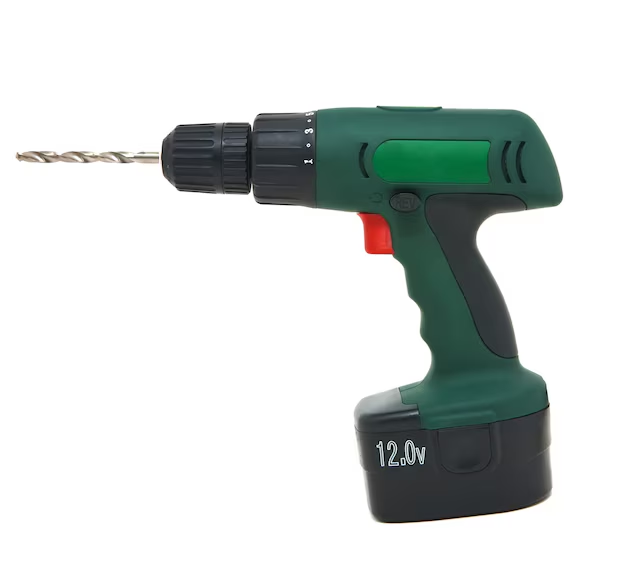
Cordless drills have become one of the most essential tools in modern households and workshops. Unlike traditional corded drills, they offer flexibility, convenience, and portability, making them a favorite for both professionals and DIY enthusiasts. Whether you’re hanging shelves, assembling furniture, or working on construction projects, a cordless drill can make the job faster and more efficient.
However, with countless options on the market, choosing the right cordless drill can feel overwhelming. Some focus on lightweight design for household tasks, while others are built for heavy-duty construction work. Battery life, torque, chuck size, and added features can all influence your buying decision.
This guide provides everything you need to know before purchasing a cordless drill—covering essential factors, pros and cons, real insights, FAQs, and final recommendations. By the end, you’ll have the knowledge to confidently select the drill that fits your needs.
Devices | Features | Price |
|---|---|---|
Cordless Drill | 2.0Ah Battery |
What to Consider Before Buying a Cordless Drill
1. Voltage and Power
- 12V drills – Ideal for light household tasks like hanging frames or assembling furniture.
- 18V–20V drills – A balance between power and weight; suitable for both DIY and semi-professional use.
- 24V and higher – Built for heavy-duty tasks, often used by professionals.
💡 Tip: More voltage generally means more power, but also more weight.
2. Battery Type and Runtime
- Lithium-ion batteries – Lightweight, long-lasting, and quick to recharge.
- Nickel-cadmium (NiCad) – Older technology, heavier, and less efficient.
- Battery capacity (Ah) – A higher amp-hour rating means longer runtime.
💡 Personal insight: Having two batteries is a game-changer—one can charge while the other is in use.
3. Torque and Speed Control
- Torque (measured in Nm) determines the drill’s ability to drive screws into tough materials.
- Variable speed settings allow precision when switching between drilling and screwdriving.
4. Chuck Size
- 3/8-inch chuck – Perfect for lighter tasks and smaller drill bits.
- 1/2-inch chuck – Handles larger bits and heavy-duty work.
5. Weight and Ergonomics
- A compact, lightweight drill is easier to handle for long periods.
- Look for a comfortable grip and balanced design to reduce fatigue.
6. Extra Features
- LED lights for working in dark areas.
- Clutch settings to prevent overdriving screws.
- Brushless motors for better efficiency and durability.
- Storage cases for organization and portability.
Product Summary: Types of Cordless Drills
| Type | Best For | Pros | Cons |
|---|---|---|---|
| Lightweight 12V Drills | Small household tasks | Easy to handle, affordable, compact | Limited power, not for heavy-duty work |
| 18V–20V Mid-Range Drills | DIY and semi-professional use | Balance of power and portability, versatile | Slightly heavier, moderate cost |
| 24V+ Heavy-Duty Drills | Professional construction work | Maximum power, handles tough materials easily | Heavier, more expensive, overkill for home use |
| Compact Brushless Drills | Long-term, efficient performance | Longer lifespan, efficient battery use | Usually pricier |
| Combo Kits (Drill + Driver) | Multi-tasking users | Versatile, great value for money | Bulkier kits, may include unused accessories |
Pros & Cons of Cordless Drills
Pros
- Portability: No cords, easy to carry anywhere.
- Versatility: Suitable for drilling wood, metal, plastic, and driving screws.
- Convenience: Quick setup, no need to search for power outlets.
- Advanced Features: Many models now include LED lighting, brushless motors, and multiple clutch settings.
- User-Friendly: Easy for beginners to learn and use safely.
Cons
- Battery Dependency: Limited runtime; requires recharging.
- Weight Factor: High-voltage drills can be heavy for prolonged use.
- Higher Cost: Quality cordless drills are generally pricier than corded models.
- Battery Replacement Costs: Over time, replacing batteries can add to expenses.
Who It’s Best For
- DIY Enthusiasts: Perfect for furniture assembly, hanging shelves, and minor repairs.
- Professionals: Heavy-duty models are suitable for construction, carpentry, and renovation work.
- Homeowners: Essential for quick fixes without the hassle of cords.
- Hobbyists & Makers: Ideal for craft projects, woodworking, and creative builds.
Expert Insights and Real Experiences
- Personal Experience: I bought a mid-range 18V cordless drill for assembling furniture and occasional woodwork. The compact size made it comfortable to use, and the variable speed helped me avoid over-tightening screws. Having a second battery saved me during longer projects.
- Expert Opinion: Tool specialists recommend choosing a drill based on your most frequent tasks. Buying a professional-grade heavy drill when you only need it for picture frames is unnecessary.
- Research Insight: Studies in consumer tool usage show that battery efficiency and ergonomic design are among the top deciding factors for cordless drill purchases.
FAQs
1. What voltage cordless drill should I buy?
- For light household tasks: 12V
- For versatile home use: 18V–20V
- For professional heavy-duty projects: 24V+
2. How long does a cordless drill battery last?
Depending on use and capacity, batteries typically last 30 minutes to 2 hours per charge and can survive 2–5 years with proper care.
3. Are brushless drills worth it?
Yes. Brushless motors are more efficient, durable, and provide longer runtime. They’re usually more expensive but worth the investment for frequent users.
4. Can I use my cordless drill as a screwdriver?
Absolutely. Most cordless drills come with clutch settings and variable speeds, making them suitable for driving screws.
5. What safety precautions should I follow?
- Always wear safety goggles when drilling.
- Keep hair and loose clothing away from moving parts.
- Use the correct drill bit for the material.
- Avoid overloading or overheating the drill.
Final Recommendation
When buying a cordless drill, the right choice depends on your needs:
- For occasional household use: Choose a lightweight 12V drill for convenience and affordability.
- For versatile projects: An 18V–20V mid-range drill offers the perfect balance of power and comfort.
- For heavy-duty tasks: Invest in a 24V+ professional-grade drill with a brushless motor for maximum performance.
If you’re uncertain, start with a mid-range drill—it’s versatile enough for most jobs without being too heavy or expensive. Consider kits that come with extra batteries, as they save time and frustration during extended projects.
Cordless drills are more than just tools; they’re investments in efficiency, productivity, and creativity. Whether you’re a homeowner, hobbyist, or professional, the right drill can make every project smoother and more enjoyable. By carefully weighing your options and understanding the features, you can confidently choose a cordless drill that will serve you well for years to come.