
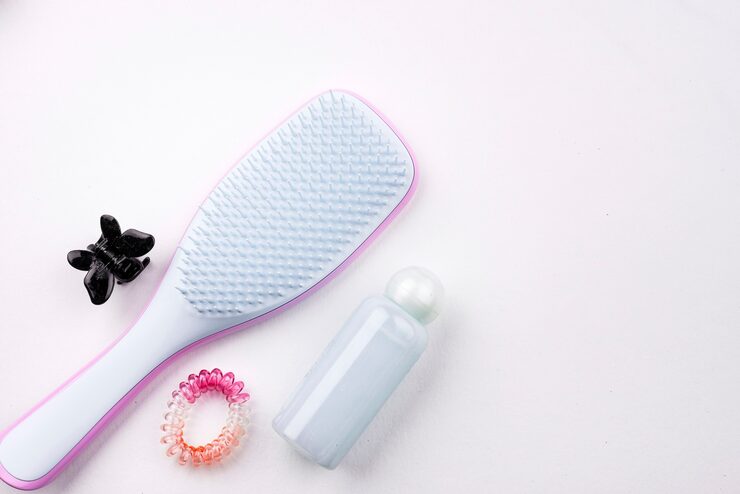
Curly hair is beautiful, but it also comes with its fair share of challenges. From tangles and knots to frizz and breakage, managing curls requires the right tools. One of the most essential is a curly hair detangling brush. Unlike regular brushes, these are designed to glide through curls without pulling, tugging, or causing unnecessary damage.
But not all detangling brushes are created equal. With so many types available, finding the perfect one can feel overwhelming. This buying guide will help you make an informed choice by breaking down what to look for, comparing different brush types, exploring pros and cons, and highlighting who will benefit most from using them.
Devices | Features | Price |
|---|---|---|
Curly Hair Detangling Brush | Purple |
What to Consider Before Buying
1. Bristle Type
The type of bristles plays a major role in how effective and gentle a detangling brush is:
- Flexible plastic bristles: Glide smoothly and reduce breakage.
- Nylon bristles: Great for thick curls but can feel firmer.
- Mixed bristles (nylon + boar): Offer a balance of detangling and distributing natural oils.
Tip: For tighter curls or coily hair, softer and more flexible bristles are less damaging.
2. Brush Shape
- Paddle brushes: Wide surface area for faster detangling.
- Curved or vented brushes: Follow the scalp’s shape and allow airflow (great for blow-drying).
- Compact brushes: Travel-friendly, ideal for on-the-go touch-ups.
3. Handle Design
Ergonomic handles reduce wrist strain during long detangling sessions. Textured grips can help avoid slipping when your hands are wet with conditioner.
4. Hair Type Compatibility
Different curl patterns need different tools:
- Wavy hair (2A–2C): Medium bristles and wide spacing.
- Curly hair (3A–3C): Flexible bristles that can handle tighter loops.
- Coily hair (4A–4C): Firm but gentle bristles with wider spacing to prevent breakage.
5. Wet vs. Dry Use
Some brushes are designed specifically for wet detangling, while others can be used on dry hair. Using the wrong type may cause unnecessary pulling.
6. Ease of Cleaning
Curls shed more hair naturally, so brushes that are easy to clean are a must. Look for designs with removable pads or widely spaced bristles for quick maintenance.
7. Durability
Investing in a high-quality brush ensures it won’t lose bristle flexibility or break after just a few uses.
Product Summary: Common Types of Curly Hair Detangling Brushes
Here’s a breakdown of the main types available and how they compare:
| Type | Pros | Cons | Best For |
|---|---|---|---|
| Wide-tooth Detangler | Gentle on curls, reduces breakage, easy to clean | May take longer to detangle | Coily and tightly curled hair |
| Paddle Brush | Covers more area, smooths hair well | Bulkier, not travel-friendly | Wavy to loose curls |
| Curved/Vented Brush | Follows scalp shape, speeds up drying | Not as effective on very tight coils | Medium curls, blow-drying |
| Compact Brush | Portable, great for quick fixes | Smaller surface area | Travel, gym bags, touch-ups |
| Mixed-Bristle Brush | Detangles + distributes oils | Can be harsher on fine curls | Thick curls needing extra shine |
Pros & Cons of a Curly Hair Detangling Brush
✅ Pros
- Reduces breakage: Specially designed bristles prevent pulling and snapping.
- Improves curl definition: Keeps curls intact rather than frizzing them out.
- Gentle on scalp: Flexible bristles massage without irritation.
- Speeds up detangling: Saves time compared to finger detangling alone.
- Versatile use: Suitable for wet detangling with conditioner or dry touch-ups.
❌ Cons
- Learning curve: Some brushes work best with specific techniques (sectioning or product use).
- Not one-size-fits-all: A brush that works for wavy hair may not work for coily hair.
- Higher cost for quality: Premium brushes can be more expensive than regular combs.
- Maintenance: Requires frequent cleaning due to hair shedding and product buildup.
Who It’s Best For
A curly hair detangling brush is especially beneficial for:
- Children with curly hair: Gentle detangling prevents painful pulling.
- People with thick curls: Reduces time and effort compared to standard brushes.
- Those who style frequently: Brushes that work on wet hair are perfect for detangling during conditioning.
- Travelers: Compact brushes fit easily in a handbag or suitcase.
- Sensitive scalps: Flexible bristles minimize discomfort during detangling.
Real Insights: Expert Opinions and User Experiences
- Hair stylists recommend detangling brushes as part of a healthy curly hair routine because they reduce breakage compared to combs.
- Dermatologists emphasize that brushes with flexible bristles prevent unnecessary scalp irritation, which can contribute to hair thinning.
- Curly-haired users often note that detangling time is cut in half with the right brush, especially when combined with conditioner or leave-in products.
From personal experience, using a paddle-style detangling brush on wavy hair reduced frizz dramatically. On the other hand, friends with coily textures prefer wide-tooth detangling brushes because they don’t disrupt curl patterns. The lesson? Hair type matters, and the right brush makes all the difference.
FAQs
1. Can I use a detangling brush on dry curls?
Yes, but it’s gentler and more effective on damp hair with conditioner. Dry detangling may lead to frizz or breakage.
2. How often should I use a detangling brush?
This depends on your hair type. For curly or coily hair, detangling 2–3 times a week is usually enough.
3. Do detangling brushes work on extensions or wigs?
Yes, as long as the brush is designed for curly or synthetic hair. Always detangle carefully from the ends upward.
4. Are wide-tooth combs better than brushes?
Wide-tooth combs are gentler but take longer. Detangling brushes offer faster results with less effort.
5. How do I clean a detangling brush?
Remove shed hair after each use, wash the bristles with mild shampoo, and let it air dry. Some models have detachable heads for easier cleaning.
Final Recommendation
A curly hair detangling brush is an essential tool for anyone with waves, curls, or coils. It minimizes breakage, reduces frizz, and makes managing curls far easier.
- If you have tight coils (4A–4C), a wide-tooth detangler will be the most gentle.
- For looser curls (3A–3C), a paddle brush with flexible bristles works best.
- For wavy hair (2A–2C), a vented or curved brush can smooth without disrupting natural waves.
- For travel and on-the-go use, compact brushes provide quick detangling.
Choosing the right detangling brush depends on your curl pattern, scalp sensitivity, and styling habits. With the right brush, detangling can become less of a chore and more of a routine that supports healthy, defined, and beautiful curls.