
Mobile phones have become an everyday essential, connecting us to work, family, entertainment, and the world. While flagship models often get the spotlight, not everyone needs—or wants—to spend a large amount on the latest high-end device. For many users, a cheap mobile phone offers all the necessary features at a fraction of the cost.
From students looking for budget-friendly communication tools to professionals who need a reliable backup phone, today’s affordable models come with surprising performance, decent cameras, and long-lasting batteries. But with so many choices available, knowing how to pick the right one can be tricky.
This buying guide will help you understand what to look for, compare common types of budget-friendly phones, and weigh the pros and cons so you can confidently select the best option for your needs.
Devices | Features | Price |
|---|---|---|
Cheap Mobile Phone | IPS Display |
What to Consider Before Buying
When shopping for a cheap mobile phone, keep the following factors in mind:
1. Performance (Processor & RAM)
- Entry-level processors handle calls, messaging, and light browsing.
- Mid-tier processors allow smoother multitasking and casual gaming.
- RAM (2GB–4GB): Sufficient for basic apps and social media.
- RAM (6GB+): Recommended for those who multitask heavily, even on budget models.
2. Storage Capacity
- 32GB: Good for light use, basic apps, and photos.
- 64GB–128GB: Better for users who download apps, store videos, or play games.
- Expandable storage (microSD): An affordable way to increase capacity.
3. Display Quality
- HD (720p): Found in most cheap phones, sufficient for daily use.
- Full HD (1080p): A better option if you watch videos or read a lot on your phone.
- Screen size matters too—smaller screens are easier to handle, while larger ones are better for media.
4. Battery Life
Battery performance is often a strong point in budget phones.
- 3000–4000mAh: Good for daily use.
- 5000mAh+: Ideal for power users or those who travel frequently.
5. Camera Quality
Budget phones often come with dual or triple-camera setups.
- Basic cameras: Fine for casual snapshots and social media.
- Higher megapixel count: Doesn’t always mean better photos—look for features like night mode or HDR.
6. Operating System (OS)
- Android: Most budget-friendly models use Android, offering flexibility and app variety.
- Lightweight OS versions: Some budget phones run trimmed-down systems optimized for speed.
7. Connectivity & Network Support
Check for:
- 4G LTE compatibility (still common in affordable phones).
- Dual SIM support for managing work and personal numbers.
- Wi-Fi and Bluetooth as standard.
8. Build Quality & Design
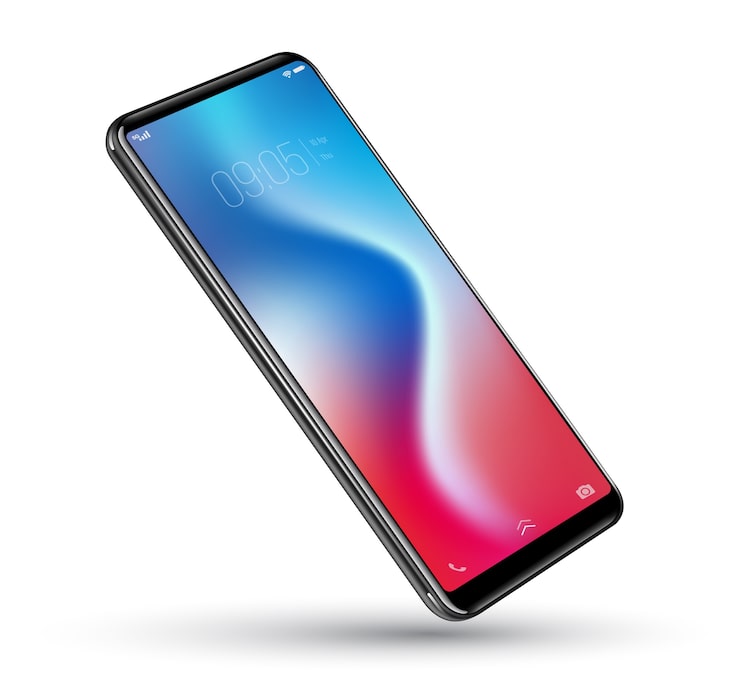
Even cheap phones now come with modern designs like slim bezels and gradient finishes. While plastic bodies are common, some budget-friendly models offer metal or glass-like finishes.
Product Summary: Common Types of Cheap Mobile Phones
Here’s a comparison of the main categories:
| Type | Pros | Cons | Best For |
|---|---|---|---|
| Entry-Level Phones | Very affordable, basic functionality | Limited storage, slower performance | Students, seniors, light users |
| Mid-Range Budget Phones | Good balance of performance & price | May lack premium features | Everyday users, social media fans |
| Refurbished Phones | Affordable with better specs | Shorter warranty, possible wear | Bargain hunters, eco-conscious |
| Compact Budget Phones | Small, pocket-friendly, lightweight | Smaller batteries, limited screen | Minimalists, children |
| Large-Screen Budget Phones | Great for streaming & gaming | Less portable, heavier | Media lovers, casual gamers |
Pros & Cons of Cheap Mobile Phones
✅ Pros
- Affordable: Accessible to almost everyone.
- Functional: Handles essential tasks like calls, browsing, and social media.
- Good battery life: Many budget phones prioritize efficiency.
- Dual SIM options: Convenient for work and personal use.
- Value for money: Modern budget phones often look stylish and offer solid performance.
❌ Cons
- Limited performance: Struggles with heavy multitasking or advanced gaming.
- Basic cameras: Not as advanced as high-end models.
- Fewer software updates: Some cheap phones may not receive long-term support.
- Build quality trade-offs: More plastic parts and less durability compared to premium models.
Who It’s Best For
A cheap mobile phone is ideal for:
- Students: Affordable yet capable of handling study apps and social media.
- Seniors: Simple interfaces and essential features without unnecessary complexity.
- Children & teenagers: Great as a first phone or for learning responsibility.
- Backup phone users: Professionals who want a reliable secondary device.
- Budget-conscious buyers: Anyone who prioritizes value over luxury.
Real Insights: Expert Opinions and Experiences
- Tech reviewers often note that budget phones have improved drastically in recent years, especially in battery life and screen quality.
- Mobile users report that even entry-level devices are now capable of running social apps, video streaming, and lightweight games smoothly.
- Personal experience: Switching from a premium model to a budget-friendly one highlighted how well these devices handle essentials. While the camera wasn’t as advanced, the overall usability exceeded expectations for the price.
Experts also suggest that refurbished phones can be a smart choice for those who want premium features without the premium cost, provided they come from reputable sellers.
FAQs
1. Are cheap mobile phones reliable?
Yes, many budget phones are reliable for everyday use, especially when purchased from trusted sellers.
2. Do budget phones support popular apps?
Absolutely. Social media, messaging, and streaming apps work smoothly on most cheap phones.
3. Can I play games on a budget phone?
Light and casual games run well, but advanced 3D games may lag on entry-level models.
4. Do cheap phones get software updates?
Some do, but not as frequently as premium models. Mid-range options are more likely to receive updates.
5. What’s the average lifespan of a cheap phone?
Typically 2–3 years, depending on usage and build quality.
Final Recommendation
A cheap mobile phone is an excellent choice if you’re looking for affordability without sacrificing everyday usability.
- For basic users, entry-level models cover calls, browsing, and messaging.
- For students and social media fans, mid-range budget phones strike the right balance of performance and features.
- For those on tight budgets, refurbished phones offer better specifications at lower costs.
- For minimalists or first-time users, compact phones provide simplicity and portability.
The best choice depends on your personal priorities—whether that’s battery life, camera quality, or storage space. With today’s market, you don’t need to spend a fortune to get a dependable, stylish, and functional mobile phone.