
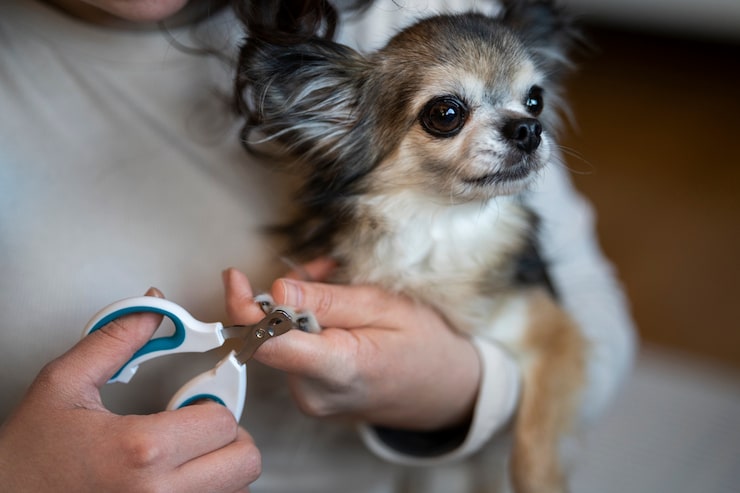
Keeping a dog’s nails trimmed is a crucial part of pet grooming. Overgrown nails not only look untidy but can also cause discomfort, affect posture, and even lead to long-term health issues in dogs. While some pet owners prefer professional grooming services, investing in a reliable pair of dog nail clippers allows for easy, stress-free trims at home.
But with so many options available, choosing the right tool can be overwhelming. Clippers vary in type, size, safety features, and ease of use. The wrong pair may lead to uneven cuts, splintering, or even accidental injury to your pet.
This buying guide breaks down everything you need to know about dog nail clippers—from what to consider before purchasing to pros and cons of each type—so you can make an informed decision that keeps your furry friend safe and comfortable.
Devices | Features | Price |
|---|---|---|
Dog Nails Clippers | Safety Lock |
What to Consider Before Buying Dog Nail Clippers
When shopping for the right nail clippers, think about your dog’s size, nail thickness, and your own grooming experience.
1. Type of Clippers
- Guillotine Clippers:
Work by inserting the nail into a ring and pressing down. Suitable for small to medium dogs but not ideal for thick nails. - Scissor/Plier Clippers:
Resemble garden shears, designed for medium to large dogs with thick nails. Provide more cutting power and control. - Grinders/Dremels:
File down the nail gradually. Useful for dogs who dislike clipping sounds, but require patience.
2. Size and Breed Suitability
- Small clippers for toy breeds and puppies.
- Medium clippers for breeds under 50 pounds.
- Heavy-duty clippers for large breeds with dense nails.
3. Blade Quality
- Stainless steel blades are sharp, durable, and resistant to rust.
- Look for clippers that maintain sharpness over time to avoid crushing nails.
4. Safety Features
- Quick-stop guards help prevent cutting too close to the quick (the sensitive part inside the nail).
- Non-slip handles provide stability during trimming.
5. Ease of Use
- Ergonomic handles reduce hand strain.
- Lightweight clippers are easier to maneuver for first-time groomers.
6. Noise & Vibration (for grinders)
- Some dogs are sensitive to sound. Low-noise, low-vibration grinders can make the experience more comfortable.
7. Maintenance & Cleaning
- Clippers should be easy to clean and, ideally, have replaceable blades.
- Grinders should come with detachable heads for hygiene.
Product Summary: Types of Dog Nail Clippers
Here’s a quick comparison table to help you decide:
| Type | Best For | Pros | Cons |
|---|---|---|---|
| Guillotine Clippers | Small to medium dogs | Easy to use, compact | Not strong enough for thick nails |
| Scissor/Plier Clippers | Medium to large dogs | Powerful, durable, safe grip | Bulkier, may intimidate smaller dogs |
| Grinders | All sizes, especially anxious dogs | Smooth finish, reduces cracking risk | Slower, may scare dogs with noise |
| Electric Clippers | Owners preferring automation | Consistent trimming, precise results | Requires charging/batteries, pricier |
Pros & Cons of Dog Nail Clippers
✅ Pros
- Convenience: Allows you to trim nails at home anytime.
- Cost-saving: Reduces frequent trips to the groomer.
- Bonding time: Grooming strengthens trust between you and your pet.
- Variety of options: Different styles suit different breeds and owner preferences.
❌ Cons
- Learning curve: Improper use can cause discomfort or injury.
- Dog resistance: Some dogs resist trimming, requiring patience.
- Maintenance: Blades need regular sharpening or replacing.
- Noise sensitivity: Grinders can be intimidating for certain dogs.
Who It’s Best For
A dog nail clipper is ideal for:
- First-time pet owners: Especially guillotine-style clippers for small dogs.
- Owners of large breeds: Scissor-style clippers are powerful enough for thick nails.
- Pet parents of anxious dogs: Grinders work best for gradual, stress-free trimming.
- Budget-conscious owners: Manual clippers are affordable and durable.
- Experienced groomers at home: Heavy-duty clippers or grinders for multi-pet households.
Real Insights: Experiences and Expert Opinions
- Veterinarians recommend trimming nails every 3–4 weeks to prevent posture issues and paw discomfort.
- Grooming experts note that scissor-style clippers are the most versatile, while grinders provide the smoothest finish.
- Pet owners often find that introducing nail clippers slowly—with treats and positive reinforcement—reduces resistance over time.
Personal experience: Using a grinder for a medium-sized dog helped eliminate sharp edges and reduced scratching on hardwood floors. While it took longer than clipping, the smoother result was worth the extra time.
FAQs
1. How often should I trim my dog’s nails?
Every 3–4 weeks, depending on activity level and nail growth. Active dogs may need less frequent trims.
2. Is a grinder better than a clipper?
It depends. Clippers are faster, while grinders provide smoother results and are safer for beginners worried about cutting the quick.
3. Can I use human nail clippers on dogs?
No. Dog nails are thicker and require stronger, specially designed clippers.
4. How do I know if I cut too far?
If you hit the quick, the nail will bleed. Having styptic powder on hand is recommended.
5. What’s the safest option for beginners?
A scissor-style clipper with a safety guard or a quiet grinder is best for those new to grooming.
Final Recommendation
Choosing the right dog nail clippers depends on your dog’s size, nail type, and temperament.
- For small breeds or puppies, guillotine clippers are quick and easy.
- For large breeds, scissor-style clippers offer strength and precision.
- For nervous or sensitive dogs, grinders provide a gradual, less intimidating approach.
- For pet parents seeking convenience, electric clippers can make trimming consistent and precise.
Investing in the right tool not only ensures your dog’s comfort but also saves time and money while strengthening the bond between you and your furry companion. With the proper clippers and a bit of patience, nail trimming at home can become a safe and stress-free routine.