
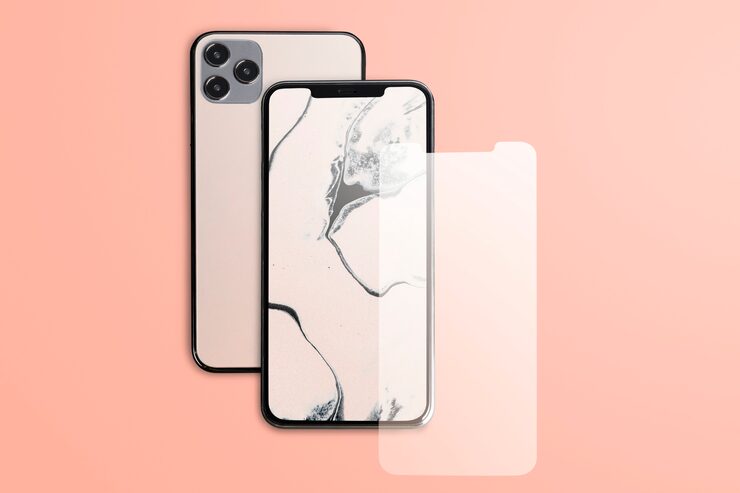
The iPhone 16 Pro is a premium device designed with cutting-edge display technology, sleek aesthetics, and advanced features. With such an investment, protecting the screen becomes one of the most important priorities for owners. Even with tough glass innovations, everyday hazards like scratches, smudges, and accidental drops can quickly compromise the clarity and durability of your phone’s display.
That’s where a screen protector for the iPhone 16 Pro comes in. A well-chosen protector not only defends against scratches but also improves usability with anti-glare, fingerprint-resistant, or privacy-enhancing options. In this guide, we’ll break down everything you need to know before buying, including features, comparisons, pros and cons, expert opinions, and practical tips to ensure you choose the best one.
Devices | Features | Price |
|---|---|---|
iPhone 16 Pro Screen Protector | 3x Camera Lens |
What to Consider Before Buying an iPhone 16 Pro Screen Protector
When selecting a screen protector, you’ll want to balance durability, design, and functionality. Here are the top factors to consider:
1. Material Type
- Tempered Glass: Durable, scratch-resistant, offers a premium feel. Great for drop protection.
- PET Film: Lightweight and affordable. Provides basic scratch resistance but limited impact protection.
- TPU Film: Flexible, self-healing surface that minimizes small scratches. Best for curved edges.
2. Hardness Rating
- 9H Hardness: Common in tempered glass protectors, resists scratches from keys, coins, and daily items.
- Standard Film: Provides minimal resistance, mainly to prevent micro-scratches.
3. Clarity & Touch Sensitivity
- Look for HD or Ultra HD clarity to preserve the iPhone 16 Pro’s high-resolution display.
- Ensure it supports smooth touch and face ID responsiveness.
4. Edge Design
- 2.5D or 3D curved edges improve comfort and coverage.
- Full-screen coverage ensures protection for all corners and edges.
5. Special Features
- Privacy Filters: Prevents people from viewing your screen at angles.
- Anti-Glare Coating: Reduces reflections outdoors.
- Oleophobic Layer: Resists fingerprints and smudges.
- Blue Light Filtering: Reduces eye strain during extended use.
6. Installation Method
- Bubble-free adhesive: Makes installation smooth.
- Alignment frames or kits: Help beginners apply the protector easily.
7. Durability and Replacement Packs
Many options come in 2-pack or 3-pack bundles, allowing replacements when one wears out.
8. Budget
- Economy options ($10–15): Thin film protectors for scratch resistance.
- Mid-range ($15–30): Tempered glass with anti-fingerprint coatings.
- Premium ($30+): Advanced glass with privacy, blue light filters, or shatterproof layers.
Product Summary: Types of Screen Protectors
| Type | Features | Best For | Limitations |
|---|---|---|---|
| Tempered Glass | High durability, scratch resistance, smooth touch | Everyday protection and impact resistance | Slightly thicker than film |
| PET Film | Thin, lightweight, low cost | Budget buyers, basic scratch protection | No impact resistance |
| TPU Film | Flexible, self-healing, edge coverage | Curved screens, scratch protection | Less clarity than tempered glass |
| Privacy Glass | Angle filter, prevents peeking | Professionals, commuters, privacy needs | Can slightly reduce brightness |
| Blue Light Filter | Eye protection, reduces strain | Heavy screen users, nighttime use | May add a slight color tint |
Pros & Cons of iPhone 16 Pro Screen Protectors
✅ Pros
- Protects against scratches, cracks, and daily wear.
- Improves resale value by maintaining display quality.
- Options like privacy glass enhance security.
- Anti-glare and blue light filters improve usability.
- Affordable compared to costly screen replacements.
❌ Cons
- Some protectors reduce screen brightness or clarity.
- Poor-quality adhesives may cause bubbles.
- Edges can chip over time with cheaper glass protectors.
- Needs replacement if damaged.
Who It’s Best For
- Frequent Travelers: Protection against scratches from bags and keys.
- Professionals: Privacy screen protectors help during commuting or meetings.
- Parents & Students: Extra defense against drops and everyday accidents.
- Gamers & Streamers: Smooth touch sensitivity ensures lag-free gaming.
- Budget-Conscious Users: Affordable insurance compared to a costly screen repair.
Real Insights & Expert Opinions
- Tech experts emphasize that even the strongest smartphone glass can shatter from corner impacts. A quality tempered glass protector reduces this risk significantly.
- Optometrists suggest blue light filtering protectors for users spending long hours on their devices, as they may reduce digital eye strain.
- Personal experiences highlight the value of multipacks. Many users report that having spares saved them when a protector cracked but prevented the actual screen from damage.
A commuter shared how their phone slipped from their pocket onto a concrete floor—while the protector cracked instantly, the phone’s actual screen remained flawless. The $20 investment saved them a $300 repair bill.
FAQs
1. Do screen protectors affect Face ID?
No, most quality protectors are ultra-thin and designed to maintain Face ID responsiveness.
2. Will a screen protector ruin display quality?
Premium tempered glass protectors are nearly invisible. Only lower-quality options may reduce clarity.
3. Do I need a case with a screen protector?
Yes, for complete protection. A protector shields the front, but cases protect the sides and back.
4. How often should I replace one?
Replace if cracked, chipped, or if touch sensitivity decreases. Typically every 6–12 months.
5. Can I install it myself?
Yes. Many come with alignment kits. Follow instructions carefully to avoid bubbles.
6. Are privacy protectors worth it?
Yes, if you often work in public spaces and want to keep your information private.
Final Recommendation
The iPhone 16 Pro screen protector is an essential accessory for anyone who values their device’s safety and usability.
- Tempered glass protectors are the best all-round choice for most users, combining strength and clarity.
- Privacy protectors are ideal for professionals or students who use their phones in public spaces.
- Blue light filter protectors benefit those who spend long hours on screens, reducing eye fatigue.
- Film protectors suit budget-conscious buyers looking for basic scratch resistance.
Ultimately, a small investment in a high-quality screen protector can save you from expensive repairs and ensure your iPhone 16 Pro display remains as pristine as the day you bought it.