
In today’s world, where sedentary lifestyles are common due to work, study, or limited mobility, finding practical ways to stay active is essential. One solution that has gained popularity is the electric pedal exerciser. These compact, motor-assisted devices allow you to engage in light exercise while seated—whether at a desk, on the couch, or even in recovery from an injury.
An electric pedal exerciser offers a low-impact way to boost circulation, improve joint mobility, and burn calories without requiring a full-sized fitness machine. But with so many models available, it can be confusing to know which one best suits your needs. This buying guideline will break down what to consider, the pros and cons, expert insights, and practical recommendations to help you make a confident choice.
Devices | Features | Price |
|---|---|---|
Electric Pedal Exerciser | LCD Display |
What to Consider Before Buying an Electric Pedal Exerciser
1. Motor Power and Speed Settings
The motor is what sets electric pedal exercisers apart from manual models. Look for:
- Multiple speed options: Adjust intensity to match your fitness level.
- Quiet operation: Essential for office use or shared living spaces.
- Smooth motion: Reduces strain on joints and promotes consistent pedaling.
2. Size and Portability
- Compact models fit easily under desks or in small apartments.
- Foldable designs are ideal for storage when not in use.
- Consider weight if you need to move it around frequently.
3. Display and Tracking Features
Many exercisers include LCD displays showing:
- Time spent exercising
- Distance pedaled
- Calories burned
- Speed or resistance level
This helps track progress and stay motivated.
4. Resistance Options
- Motor-assisted resistance: Suitable for rehabilitation or light workouts.
- Manual resistance knobs: Provide more control and flexibility.
- Choose based on whether you want passive movement or active exercise.
5. Safety Features
- Non-slip pedals and base stabilizers prevent sliding.
- Safety straps secure your feet or hands.
- Auto shut-off prevents overheating.
6. Dual-Use (Arms and Legs)
Some electric pedal exercisers can also be used on a table for arm workouts. This versatility is especially helpful for people with limited lower-body mobility.
7. Price vs. Durability
- Entry-level models: Budget-friendly but may lack advanced features.
- Premium models: Offer better durability, smoother motion, and more tracking options.
Product Summary: Types of Electric Pedal Exercisers
Here’s a breakdown of common categories to help narrow your search:
| Type | Key Features | Pros | Cons | Best For |
|---|---|---|---|---|
| Basic Motor-Assisted | Simple design, few speed settings | Affordable, easy to use | Limited customization | Seniors, light rehab users |
| Multi-Speed Models | Several intensity options, LCD tracking | Versatile, motivational stats | Slightly higher cost | Home or office fitness seekers |
| Foldable Compact Units | Lightweight, easy to store or carry | Portable, space-saving | May have fewer advanced features | Small apartments, travelers |
| Dual-Use Exercisers | Can be used for both arms and legs | More versatile, great for full-body | Bulkier, requires table placement | Rehab patients, all-round fitness |
| Premium Models | High-end build, whisper-quiet operation | Smooth motion, long-lasting | Higher investment | Long-term daily users |
Pros & Cons of Electric Pedal Exercisers
✅ Pros
- Low-Impact Exercise: Gentle on joints, suitable for seniors and rehab.
- Compact & Portable: Easy to use in small spaces or at work.
- Boosts Circulation: Helps prevent stiffness from prolonged sitting.
- Customizable Workouts: Multiple speed and resistance settings.
- Dual Functionality: Can often be used for both upper and lower body.
- Convenient: Allows multitasking—exercise while reading, working, or watching TV.
❌ Cons
- Limited Intensity: Not designed for high-cardio workouts.
- Power Dependency: Requires an outlet or batteries.
- Stability Issues: Lightweight models may shift during use without a mat.
- Noise Levels: Some budget models can be louder than expected.
Who It’s Best For
- Seniors: Provides safe, low-impact movement to support mobility.
- Rehabilitation Patients: Ideal for gentle recovery after injury or surgery.
- Desk Workers: Keeps circulation flowing during long hours at a desk.
- Fitness Beginners: Easy entry point into regular exercise.
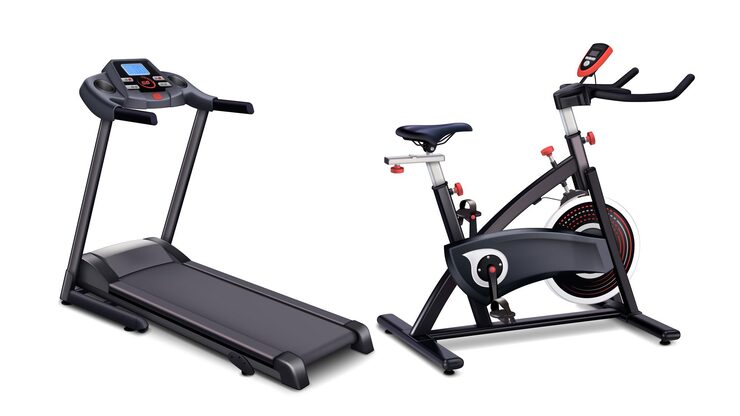
- People in Small Spaces: Compact alternative to treadmills or bikes.
Real Insights & Expert Opinions
- Personal Experience: Many users report significant improvement in circulation and reduced stiffness when using an electric pedal exerciser for just 20–30 minutes daily.
- Medical Insight: Physical therapists often recommend these devices for recovery programs, especially for knee and hip rehabilitation.
- Fitness Expert View: While they don’t replace high-intensity exercise, they serve as an excellent supplement for daily movement and calorie burn.
FAQs
1. Is an electric pedal exerciser suitable for weight loss?
Yes, but it’s most effective when combined with a balanced diet and other forms of activity. It primarily aids in calorie burning and circulation.
2. Can it be used while working at a desk?
Absolutely. Many compact models are designed to fit under desks for convenient multitasking.
3. Are these machines noisy?
High-quality models are whisper-quiet, while budget ones may produce a slight hum. Always check for noise ratings before purchase.
4. What muscles does it work?
Primarily the legs (quadriceps, hamstrings, calves), but dual-use models also engage the arms and shoulders.
5. Do I need special shoes?
No. Regular sneakers work fine, though shoes with firm soles provide better stability.
6. How long should I use it daily?
Experts recommend 20–40 minutes per session, depending on your fitness goals.
7. Is assembly required?
Most models come pre-assembled or require minimal setup.
Final Recommendation
An electric pedal exerciser is a practical, affordable, and space-saving way to keep active—whether you’re a senior looking to maintain mobility, an office worker combating sedentary habits, or someone recovering from an injury.
- For rehabilitation: Choose a basic motor-assisted model with slow speeds.
- For daily office/home use: Opt for a multi-speed, quiet unit with tracking features.
- For compact living: A foldable design ensures easy storage.
- For full-body workouts: Dual-use models provide versatility.
While it won’t replace a full gym routine, this device offers an easy and effective way to move more and stress less—supporting overall health without demanding large spaces, heavy investments, or intense effort.