
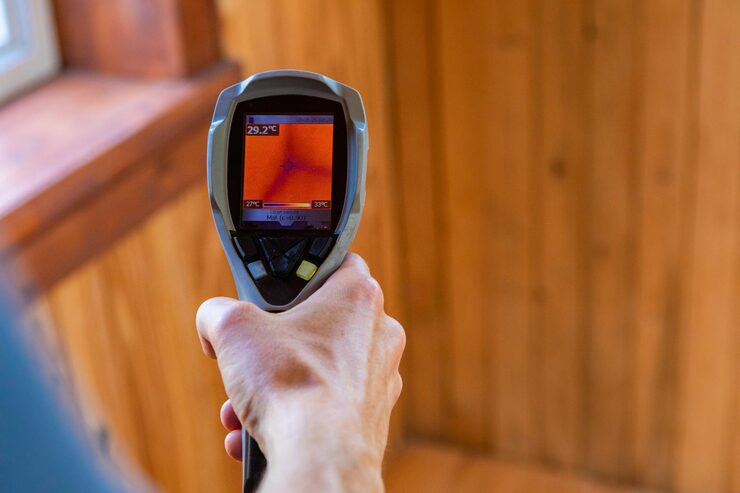
When hanging shelves, mounting TVs, or drilling into walls, the last thing you want is to hit a hidden pipe or miss the wooden studs behind drywall. That’s where a stud finder wall scanner becomes an essential tool. These handheld devices help identify the location of studs, wires, or pipes, ensuring safe and accurate installations.
But not all stud finders are created equal. Some are simple magnetic models, while others use advanced sensors to detect multiple materials. Choosing the right one depends on your specific projects, the types of walls in your home, and your budget.
This guide explores what to consider before buying, provides an overview of the main types of stud finders, highlights pros and cons, and answers common questions—helping you select the best tool for safe and efficient home improvement.
Devices | Features | Price |
|---|---|---|
Stud Finder Wall Scanner | HD LCD Display |
What to Consider Before Buying a Stud Finder
1. Wall Types
Different homes have different wall constructions.
- Drywall: Most stud finders are designed for this material.
- Plaster walls: Require advanced sensors because lath and plaster can confuse simpler models.
- Concrete or brick: A wall scanner with deep scanning mode is needed.
2. Detection Capabilities
Stud finders vary in what they can detect:
- Studs (wood or metal framing)
- Live wires (to prevent accidents)
- Pipes (in advanced multi-scanners)
If you only need to find wooden studs, a basic model works. For safety, especially in older homes with unpredictable wiring, go for a scanner with electrical detection.
3. Detection Depth
- Standard depth (up to ¾ inch): Works for most drywall applications.
- Deep scan mode (up to 1.5 inches or more): Ideal for thick walls or plaster.
- Advanced scanners: Can sometimes detect up to 3 inches, suitable for heavy-duty construction projects.
4. Power Source
- Magnetic stud finders: No batteries required, use magnets to detect nails or screws.
- Electronic stud finders: Battery-powered, more precise, with digital displays.
5. Ease of Use
- Display: A clear screen or LED indicators make detection easier.
- Ergonomics: A comfortable grip is useful for long projects.
- Calibration: Some devices auto-calibrate, saving time and reducing errors.
6. Budget
- Entry-level (magnetic): Simple and affordable, best for occasional DIY.
- Mid-range (basic electronic): Balanced features for most homeowners.
- Premium (multi-scanner): Advanced detection for professionals or complex projects.
Product Summary: Types of Stud Finders
| Type | Best For | Pros | Cons |
|---|---|---|---|
| Magnetic Stud Finders | Light DIY use | No batteries, affordable, simple | Limited accuracy, only detects nails/screws |
| Electronic Stud Finders | General household projects | Detects wood, metal studs; moderate depth | Requires batteries, may need calibration |
| Multi-Scanners | Professional or advanced DIY | Detects studs, pipes, live wires | Higher cost, slightly heavier |
| Deep Scanners | Thick walls, plaster, masonry | Detects through 1.5–3 inches of material | More expensive, may require practice |
Pros & Cons of Using a Stud Finder
Pros
- Safety: Prevents accidental drilling into live wires or pipes.
- Accuracy: Ensures secure mounting for heavy items.
- Time-saving: Faster than guessing or tapping walls.
- Versatility: Advanced models work on multiple wall types.
Cons
- Learning curve: Electronic scanners may take practice.
- Battery dependence: Runs out at inconvenient times.
- False positives: Some cheaper models may misread dense walls.
- Cost: Advanced models can be pricey for occasional users.
Who It’s Best For
- DIY Homeowners: Ideal for hanging shelves, artwork, or curtain rods safely.
- Professionals: Contractors and electricians need multi-scanners for complex tasks.
- Apartment Renters: Helpful for light installations without damaging walls.
- Renovators: Essential for remodeling to locate hidden framing and wiring.
FAQs About Stud Finders
Q1: Can a stud finder detect live wires?
Yes, many electronic and multi-scanners include live wire detection. Always confirm this feature before buying if safety is a priority.
Q2: Will it work on plaster walls?
Basic magnetic models often struggle. Advanced deep-scan electronic stud finders are more effective for plaster and lath.
Q3: Do I need to calibrate a stud finder?
Most electronic stud finders require calibration, while some auto-calibrate. Magnetic ones do not need calibration.
Q4: What’s the difference between magnetic and electronic stud finders?
Magnetic models detect nails or screws in studs, while electronic ones measure density changes in the wall for more precise results.
Q5: Can a stud finder see through tile?
Some advanced models can detect studs or pipes behind tile, but results may vary depending on tile thickness and backing material.
Real Insights & Expert Opinions
From personal experience, upgrading from a magnetic stud finder to an electronic scanner made a noticeable difference. While the magnetic model worked for simple drywall projects, it sometimes misled me when walls had irregular framing. The electronic model, however, pinpointed studs with greater precision, saving time and frustration.
Experts often recommend that homeowners consider multi-scanners if they plan on long-term renovations. Detecting live wires and pipes adds an extra layer of safety, especially in older homes where wall layouts are unpredictable.
For occasional users, a simple magnetic stud finder is usually enough for hanging frames or lightweight shelves. But if you want reliability and safety, electronic models with multiple modes are worth the investment.
Final Recommendation
A stud finder wall scanner is a must-have for anyone who drills or mounts items at home. The right choice depends on your needs:
- For occasional DIYers, a magnetic stud finder is simple and affordable.
- For homeowners and hobbyists, a mid-range electronic scanner offers accuracy and safety.
- For contractors and serious renovators, multi-scanners or deep-scan models provide professional-level performance.
By evaluating wall types, detection depth, and safety features, you can select a stud finder that prevents costly mistakes and ensures every project is completed with confidence.
Whether you’re hanging a family portrait, mounting a TV, or remodeling your basement, the right stud finder makes all the difference.