
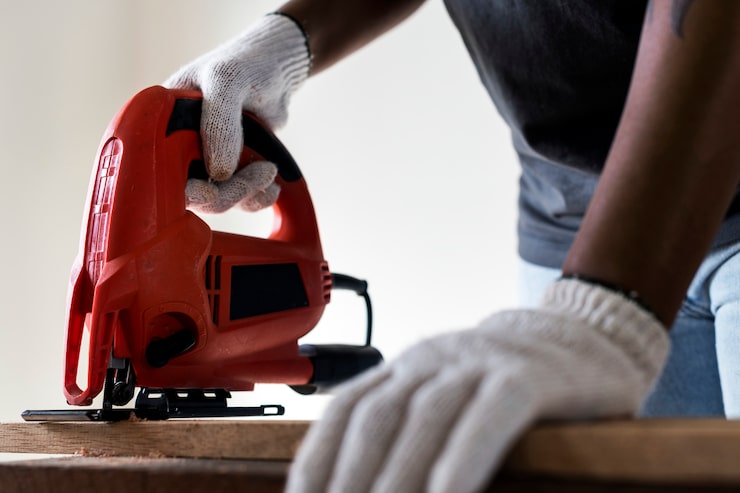
Whether you’re refinishing furniture, smoothing woodwork, or preparing surfaces for painting, an orbital sander is one of the most versatile tools you can own. Unlike traditional sandpaper or manual sanding blocks, orbital sanders save time, reduce effort, and deliver more consistent results.
This buying guideline will walk you through everything you need to know about orbital sanders—from features to look for, pros and cons, real-world use cases, and expert tips. By the end, you’ll know exactly what type of orbital sander fits your needs.
Devices | Features | Price |
|---|---|---|
Orbital Sander | 350W |
What to Consider Before Buying an Orbital Sander
Before adding an orbital sander to your toolkit, it’s worth taking a closer look at the features that influence performance and usability.
1. Type of Orbital Sander
- Sheet Sander (Finishing Sander): Uses square or rectangular sanding pads. Great for edges and corners.
- Random Orbital Sander: Uses circular sanding discs with a random motion pattern, reducing swirl marks. Best for versatility and smooth finishes.
- Pneumatic Orbital Sander: Powered by compressed air. Popular in automotive work and industrial applications.
2. Motor Power and Speed
- Look for variable speed controls to adjust sanding intensity.
- Higher wattage or amperage typically means more power for heavy-duty jobs.
3. Dust Collection
- Built-in dust bags or vacuum attachments keep the workspace cleaner.
- Good dust collection also improves visibility and protects health.
4. Ergonomics and Handling
- A lightweight, compact design is easier to control.
- Rubberized grips reduce hand fatigue during long sessions.
5. Pad Size and Shape
- Common sizes are 5-inch and 6-inch pads.
- Larger pads cover more surface area quickly, while smaller pads offer precision.
6. Durability and Build Quality
- Check for sturdy construction and quality bearings.
- Durable sanders last longer and maintain consistent performance.
7. Noise and Vibration
- Some sanders generate noticeable vibration. Anti-vibration features enhance comfort.
- Quieter sanders make long projects less tiring.
Product Summary: Types of Orbital Sanders
Here’s a quick comparison of the main orbital sander types:
| Type | Best For | Key Benefits | Considerations |
|---|---|---|---|
| Sheet Sander | Finishing corners, light sanding | Affordable, precise edges | Slower material removal |
| Random Orbital Sander | General woodworking, furniture, paint prep | Smooth finishes, versatile | May struggle in tight corners |
| Pneumatic Orbital Sander | Automotive sanding, industrial tasks | Lightweight, high power | Requires air compressor |
Pros & Cons of Orbital Sanders
Pros
- Delivers smooth, even finishes.
- Reduces sanding time compared to manual methods.
- Versatile for wood, metal, and plastic surfaces.
- Random motion minimizes swirl marks.
- Ergonomic designs make them beginner-friendly.
Cons
- Sheet sanders may leave visible marks on some projects.
- Cheaper models can vibrate excessively, causing fatigue.
- Pneumatic sanders require additional equipment (air compressor).
- Dust bags may need frequent emptying.
Who It’s Best For
Orbital sanders are incredibly versatile, but certain users benefit the most:
- DIY Woodworkers: Refinishing furniture, smoothing edges, or prepping wood for stain.
- Home Renovators: Removing old paint layers, smoothing drywall patches, or preparing doors.
- Professional Carpenters: Quick surface prep with consistent results.
- Automotive Enthusiasts: Smoothing body filler or prepping panels before painting (pneumatic models).
- Hobbyists: Craft projects, model building, or small woodworking tasks.
Real Insights and Use Cases
From personal experience, the first time I used an orbital sander was while refinishing a dining table. Manual sanding took hours and left uneven patches. Once I switched to a random orbital sander, the difference was immediate—smooth, swirl-free results in half the time.
Woodworking experts often recommend random orbital sanders for beginners because they combine efficiency with ease of use. Unlike belt sanders, which can remove material too aggressively, orbital sanders are forgiving. Even if you apply a bit too much pressure, the random pattern prevents deep gouges.
Research also shows that effective dust collection in power sanders can reduce airborne particles by more than 80%. This not only improves health but also extends the life of the sanding discs, since less dust clogs the abrasive surface.
FAQs About Orbital Sanders
1. What’s the difference between orbital and random orbital sanders?
- Orbital sanders move in a fixed circular pattern. Random orbital sanders add a slight back-and-forth motion, reducing swirl marks and producing smoother finishes.
2. Do I need variable speed control?
Not always, but variable speed lets you adjust sanding intensity for different materials. High speeds are great for fast removal, while low speeds are ideal for finishing.
3. Can I use orbital sanders on metal?
Yes, with the right sanding discs, orbital sanders can polish and smooth metal surfaces. Just make sure to use discs rated for metalwork.
4. How important is dust collection?
Very important. Not only does it keep your workspace clean, but it also protects your lungs and reduces disc clogging.
5. What pad size should I choose?
- 5-inch pads: Best for general DIY projects.
- 6-inch pads: Better for larger surfaces and professional use.
6. How do I prevent swirl marks?
Use fine-grit sandpaper, avoid pressing down too hard, and keep the sander moving steadily across the surface.
Final Recommendation
Orbital sanders are an essential tool for anyone serious about woodworking, furniture refinishing, or surface preparation. The key to choosing the right one is matching the tool to your specific needs:
- For beginners and DIY projects: A random orbital sander with a 5-inch pad is the most versatile choice.
- For finishing edges and corners: A sheet sander is more precise.
- For heavy-duty or automotive use: Pneumatic orbital sanders deliver high performance with the right compressor setup.
When buying, focus on build quality, ergonomic design, dust collection, and speed control. These features not only improve results but also make the tool safer and more enjoyable to use.
Investing in a good orbital sander will save you time, effort, and frustration. Whether you’re smoothing wood, prepping paint, or tackling metalwork, this tool ensures professional-looking results every time.