
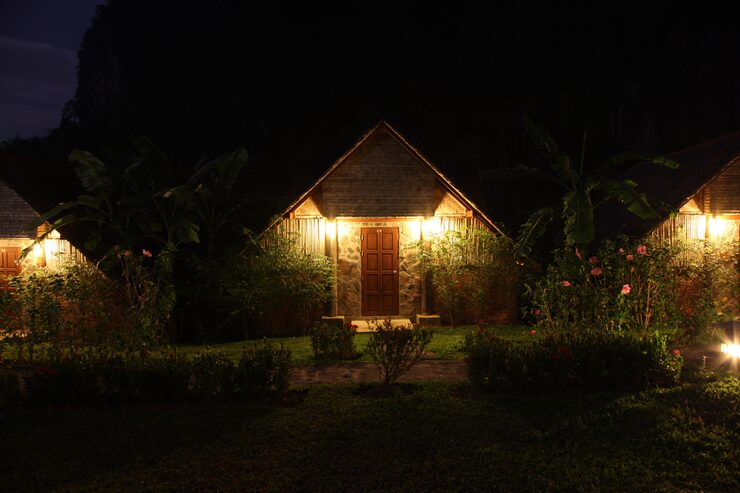
Outdoor spaces deserve to be both functional and inviting. Whether you’re hosting a backyard barbecue, enjoying a quiet evening on the patio, or adding charm to a pathway, lighting makes all the difference. Solar garden lights are one of the easiest, most energy-efficient ways to transform your outdoor area.
They rely on the sun’s energy, require no wiring, and come in a wide range of designs—from decorative lanterns to practical pathway markers. But with so many options available, choosing the right solar lights for your garden can feel overwhelming.
This guide will help you understand the different types of solar lights, the key features to look for, and how to match them to your outdoor needs. By the end, you’ll have the knowledge to choose solar garden lights that are reliable, efficient, and perfectly suited to your space.
Devices | Features | Price |
|---|---|---|
Solar Lights Outdoor Garden, | Garden Lights Outdoor |
What to Consider Before Buying Solar Garden Lights
Not all solar garden lights are created equal. To get the best performance, here are the main features to evaluate before making your purchase.
1. Lighting Purpose
- Pathway Lights: Small stakes that illuminate walkways or driveways.
- Spotlights: Brighter beams used for highlighting trees, architectural features, or security.
- Decorative Lights: String lights, lanterns, or globe-style lamps for ambiance.
- Wall-Mounted Lights: Provide functional lighting for patios, decks, or entryways.
2. Brightness and Lumens
- Lumens measure light output.
- Low (5–50 lumens): Ideal for soft ambient lighting.
- Medium (50–200 lumens): Best for pathways and accent lighting.
- High (200+ lumens): Suitable for security or spotlighting.
3. Solar Panel Quality
- Monocrystalline Panels: High efficiency, better for cloudy areas.
- Polycrystalline Panels: More affordable, slightly less efficient.
- Amorphous Panels: Work in low light but generate less power overall.
4. Battery Capacity
- Look for rechargeable batteries with higher milliamp-hour (mAh) ratings for longer run times.
- Lithium-ion batteries generally last longer than NiMH options.
5. Weather Resistance
- Check the IP rating (Ingress Protection).
- IP44: Resistant to light rain and dust.
- IP65 and above: Withstands heavy rain and outdoor conditions.
6. Design and Aesthetics
- Choose styles that complement your landscaping.
- Decorative options add charm, while functional lights provide safety.
7. Additional Features
- Motion Sensors: Great for security and energy savings.
- Adjustable Heads: Allow you to direct light where needed.
- Color Temperature: Warm white for ambiance, cool white for security or task lighting.
Product Summary: Types of Solar Garden Lights
Here’s a quick comparison table to help identify the best type for your needs:
| Type | Best For | Key Benefits | Considerations |
|---|---|---|---|
| Pathway Lights | Driveways, walkways | Easy installation, safe paths | Lower brightness levels |
| Spotlights | Trees, walls, security | Bright, focused beams | Require strong batteries |
| Decorative Lights | Parties, patios, gardens | Adds ambiance and style | May not provide strong light |
| Wall-Mounted Lights | Entrances, patios, fences | Functional and space-saving | Needs proper placement |
| String Lights | Pergolas, trees, fences | Cozy atmosphere, flexible use | Shorter run time in cloudy weather |
Pros & Cons of Solar Garden Lights
Pros
- Energy-Efficient: No electricity bills; powered entirely by the sun.
- Easy Installation: No wiring required; most lights come with stakes or mounts.
- Low Maintenance: Rechargeable batteries and automatic on/off features.
- Eco-Friendly: Reduces carbon footprint by using renewable energy.
- Design Variety: Available in decorative, functional, and security-focused models.
Cons
- Dependent on Sunlight: Performance drops in shaded areas or during cloudy days.
- Lower Brightness: Not as powerful as wired lighting for large spaces.
- Battery Degradation: Rechargeable batteries lose capacity over time.
- Limited Run Time: Some models only last 6–8 hours per charge.
Who It’s Best For
Solar garden lights are versatile, but they’re particularly useful for:
- Homeowners with Gardens or Pathways: Create a welcoming and safe outdoor environment.
- Eco-Conscious Buyers: Reduce reliance on grid electricity.
- Renters: Easy to install and remove without modifying property.
- Entertainers: Add decorative ambiance to patios, decks, and backyards.
- Security-Focused Users: Motion-activated solar lights deter intruders without increasing energy bills.
Real Insights and Use Cases
When I first installed solar lights in my backyard, I started with a simple set of pathway lights. I quickly realized how much safer it was to walk outside at night, especially around uneven ground. A neighbor added spotlights to highlight their tall palm trees, and the dramatic effect transformed their garden.
Experts often recommend combining different types of solar lights for layered outdoor lighting. For example:
- Use pathway lights for safety.
- Add spotlights to highlight landscaping.
- Incorporate string lights for ambiance.
One homeowner shared that switching to solar lights reduced their outdoor electric usage significantly, while still allowing them to host evening gatherings with beautiful ambient lighting.
FAQs About Solar Garden Lights
1. How long do solar garden lights last?
Most solar lights last 2–4 years before the rechargeable battery needs replacing. The LED bulbs themselves can last much longer.
2. Do they work in winter or cloudy conditions?
Yes, but run times are shorter due to reduced sunlight. Choosing high-efficiency panels helps in low-light climates.
3. How do I make them last longer?
Place lights in areas with maximum sun exposure, clean solar panels regularly, and replace batteries when needed.
4. Are they bright enough for security?
Spotlights and motion-sensor solar lights can provide adequate brightness for security, but they won’t match the intensity of wired floodlights.
5. Can I install solar lights myself?
Absolutely. Most models are designed for quick DIY installation without professional help.
6. Do solar garden lights stay on all night?
This depends on the battery capacity and sunlight during the day. High-capacity batteries can keep lights on for 8–12 hours.
Final Recommendation
Solar garden lights are an affordable, eco-friendly, and stylish way to enhance outdoor spaces. They require minimal maintenance, provide soft illumination, and improve safety without increasing your electricity bill.
When buying, consider the purpose first:
- For safety, choose pathway lights or wall-mounted designs.
- For aesthetic appeal, go for decorative string lights or lanterns.
- For security, opt for motion-activated spotlights with higher lumens.
Pay close attention to solar panel quality, battery life, weather resistance, and brightness. These factors will determine how well your lights perform year-round.
Ultimately, solar garden lights are best seen as part of a layered outdoor lighting plan. By mixing functional and decorative types, you can create a garden that is both safe and visually stunning—all while harnessing the power of the sun.