
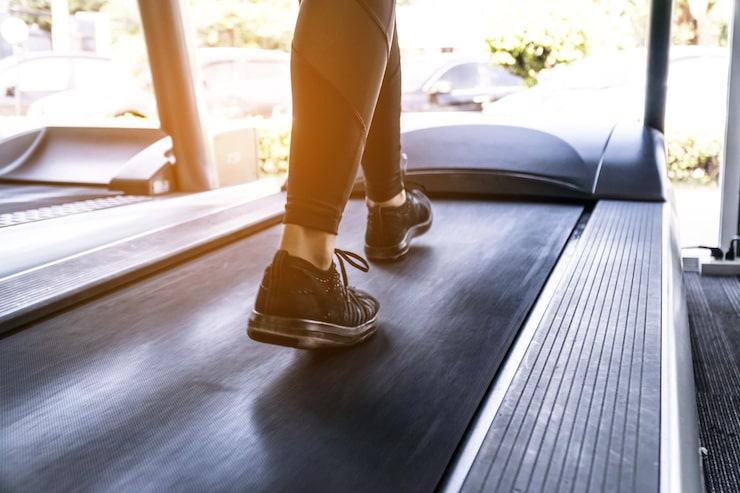
For many people, staying active is a daily challenge. Long office hours, limited space at home, or bad weather often make it difficult to keep up with fitness goals. That’s where a raceable walking pad comes in—a compact, foldable treadmill designed to fit seamlessly into small living spaces while still supporting everything from casual walking to brisk walking workouts.
Unlike bulky treadmills, raceable walking pads are designed for convenience and portability. They’re slim enough to slide under a bed or sofa yet powerful enough to handle longer exercise sessions. If you’re considering one, this guide will walk you through everything you need to know before buying: what features matter, the pros and cons, who they’re best for, and expert insights.
Devices | Features | Price |
|---|---|---|
Raceable Walking Pad | 159kgWalking |
What to Consider Before Buying a Raceable Walking Pad
Not all walking pads are built the same. Some prioritize portability, while others are designed with stronger motors for longer, faster walks.
1. Motor Power and Speed Range
- Basic Units (1.0–1.5 HP): Suitable for light walking at home or office.
- Mid-Range (1.5–2.0 HP): Supports longer sessions and faster speeds for active walkers.
- High-End (2.0+ HP): Handles brisk walking and extended daily use.
2. Weight Capacity
- Most pads support 220–300 lbs. Heavier-duty models are available for users with higher needs.
3. Running Surface Size
- Compact (15–17 inches wide): Best for small spaces and short steps.
- Standard (18–20 inches wide): More comfort and stability for brisk walking.
- Extra-Wide (21+ inches): Ideal for taller users or those needing extra space.
4. Noise Level
- Low-noise motors are essential for apartments or office use. Check decibel ratings if available.
5. Foldability and Storage
- Many models fold in half or have wheels for easy storage under furniture.
- Slim designs make them perfect for small apartments or shared spaces.
6. Smart Features
- App Integration: Track steps, calories, and time.
- Remote Control: Adjust speed without bending down.
- LED Display: Simple metrics at a glance.
7. Safety Features
- Non-slip belt surfaces.
- Auto-stop functions.
- Speed limiters for beginners.
Product Summary: Types of Raceable Walking Pads
| Type | Best For | Key Benefits | Considerations |
|---|---|---|---|
| Basic Walking Pad | Casual walkers, office users | Lightweight, compact, affordable | Limited speed & features |
| Foldable Walking Pad | Small apartments, tight spaces | Easy storage, wheels for portability | Smaller running surface |
| Smart Walking Pad | Fitness tracking enthusiasts | App sync, remote control, LED metrics | Higher cost |
| Heavy-Duty Walking Pad | Long-term use, higher weight | Strong motor, wider belt, durable build | Heavier and bulkier |
| Quiet/Low-Noise Walking Pad | Apartments, office use | Silent operation, smooth motor | Usually lower speed options |
Pros & Cons of Raceable Walking Pads
Pros
- Space-Saving Design: Fits in small apartments or offices.
- Convenience: Easy to set up, use, and store.
- Silent Operation: Great for shared living spaces.
- Promotes Daily Movement: Encourages walking while working or watching TV.
- Portable: Lightweight with wheels for easy movement.
Cons
- Limited Speed: Designed for walking, not running.
- Smaller Surface: Less suitable for very tall users or wide strides.
- Durability: Entry-level models may wear faster with heavy daily use.
- Fewer Incline Options: Most pads have a flat surface, limiting workout variety.
Who It’s Best For
Raceable walking pads are ideal for:
- Work-from-Home Professionals: Stay active during long desk hours.
- Apartment Dwellers: Perfect for small living spaces without room for a full treadmill.
- Beginner Exercisers: Gentle way to build consistent movement habits.
- Elderly Users: Safe, steady walking exercise with minimal impact.
- Busy Parents: Exercise at home without leaving kids unattended.
- Frequent Travelers: Some compact models can be transported easily.
Real Insights and Use Cases
When I first tried a raceable walking pad, the biggest change was in my workday energy. Instead of sitting for eight hours, I could walk slowly during video calls. The movement improved focus and reduced fatigue.
A colleague with limited apartment space shared how her walking pad fit under her sofa, making it effortless to pull out for daily use. She also mentioned the importance of quiet operation, since she lives in a high-rise with thin walls.
Fitness trainers often recommend walking pads for people who struggle to hit daily step goals. Even 20 minutes of walking while watching TV can make a noticeable difference in cardiovascular health.
FAQs About Raceable Walking Pads
1. Can I run on a walking pad?
Most are designed for walking only. Some heavy-duty models support light jogging, but speeds are generally capped below running pace.
2. How noisy are they?
High-quality units operate quietly, around 40–50 dB—similar to a conversation.
3. Do they need maintenance?
Minimal. Regularly check belt lubrication and keep dust out of the motor area.
4. How safe are they?
Safe for most users, especially with non-slip belts and auto-stop features. Always start at the lowest speed.
5. Can I use it under a standing desk?
Yes, many professionals pair walking pads with standing desks for active working.
6. What’s the difference between a treadmill and a walking pad?
Walking pads are slimmer, quieter, and designed for walking rather than running. They prioritize portability and convenience over advanced training features.
Final Recommendation
A raceable walking pad is a smart investment for anyone looking to stay active without dedicating large amounts of space or money to fitness equipment.
When choosing, focus on:
- Motor strength and weight capacity for durability.
- Running surface size for comfort and safety.
- Noise level if you live in shared or quiet spaces.
- Smart features if tracking progress matters to you.
If you want a lightweight, no-frills option, a basic walking pad is sufficient. For daily use and better long-term performance, consider a heavy-duty or smart-enabled model.
In today’s world of busy schedules and limited space, raceable walking pads make exercise accessible, convenient, and enjoyable—helping you hit step goals without stepping outside.