
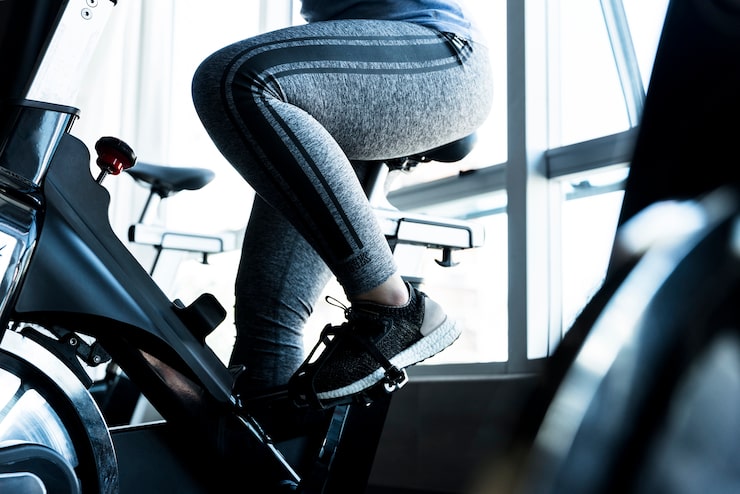
Indoor exercise bikes have become one of the most popular home fitness tools in recent years, and for good reason. Whether your goal is weight loss, improved endurance, cardiovascular health, or just a more convenient way to stay active, an exercise bike offers a low-impact yet highly effective workout option.
Unlike treadmills or ellipticals, indoor bikes are compact, versatile, and suitable for all fitness levels. But with so many models available—ranging from compact foldable bikes to heavy-duty spin bikes—it can be difficult to know which one to choose.
This guide breaks down everything you need to consider when buying an indoor exercise bike, from features and benefits to pros and cons. By the end, you’ll know exactly which type of bike fits your lifestyle and fitness goals.
Devices | Features | Price |
|---|---|---|
Exercise Bike Indoor Bike | LCD Display |
What to Consider Before Buying an Indoor Exercise Bike
Choosing the right bike involves more than just price. Here are the most important factors:
1. Type of Exercise Bike
- Upright Bike
- Traditional design with pedals below your body.
- Great for cardio workouts and space-saving.
- Recumbent Bike
- Reclined seating with back support.
- Ideal for people with back or joint issues.
- Indoor Cycling (Spin) Bike
- Closest to outdoor cycling with heavy flywheel resistance.
- Best for high-intensity interval training.
- Folding Bike
- Compact and easy to store.
- Perfect for small spaces or casual users.
2. Resistance System
- Magnetic Resistance
- Quiet and smooth.
- Low maintenance, precise control.
- Friction Resistance
- More affordable.
- Requires occasional pad replacement.
3. Adjustability
- Look for adjustable seats and handlebars to accommodate different body sizes.
- A well-fitted bike prevents strain and improves workout efficiency.
4. Console and Technology Features
- LCD screens to track time, distance, speed, calories, and heart rate.
- Bluetooth or app connectivity for training programs.
- Built-in workout modes for variety.
5. Size and Storage
- Consider floor space in your home.
- Foldable models save space when not in use.
6. Weight Capacity and Build Quality
- Heavier frames support more weight and offer stability.
- Check the maximum user weight before buying.
7. Noise Level
- Magnetic resistance bikes are nearly silent, suitable for shared spaces.
- Chain-driven spin bikes may produce more noise.
Product Summary: Types of Indoor Exercise Bikes
| Type | Best For | Advantages | Considerations |
|---|---|---|---|
| Upright Bike | Beginners, casual workouts | Compact, affordable, cardio-friendly | Less comfortable for long rides |
| Recumbent Bike | Seniors, rehab, back pain | Comfortable seating, low-impact workouts | Takes up more space |
| Spin Bike | Athletes, HIIT, endurance | High-intensity, gym-style training | Can be expensive, less comfort |
| Folding Bike | Small spaces, casual users | Lightweight, easy storage | Limited features, less durable |
Pros & Cons of Indoor Exercise Bikes
Pros
- Low Impact: Gentle on joints compared to running.
- Convenience: Workout anytime at home, no gym needed.
- Versatility: Suitable for all fitness levels.
- Compact Options: Space-saving designs available.
- Customizable Resistance: Adjust workouts to match fitness goals.
Cons
- Limited Muscle Engagement: Focuses mainly on lower body.
- Comfort Issues: Some models have hard seats.
- Monotony: May feel repetitive without workout variety.
- Price Range: Advanced spin bikes can be expensive.
Who It’s Best For
Indoor bikes are an excellent option for a wide range of users:
- Beginners: Upright or folding bikes offer a simple, affordable entry point.
- Seniors or Rehab Users: Recumbent bikes with back support help with safe, low-impact exercise.
- Fitness Enthusiasts: Spin bikes provide an intense workout for calorie burning and endurance.
- Busy Professionals: Compact bikes fit into apartments and allow for quick sessions.
- Multi-User Households: Adjustable models suit different body types and fitness needs.
Real Insights & Expert Opinions
When I tested both an upright and a spin bike, the biggest difference was intensity. The upright bike was comfortable and easy to use, but the spin bike pushed me harder with adjustable resistance that mimicked outdoor cycling.
A physiotherapist I consulted highlighted how recumbent bikes are especially useful for older adults or those recovering from injuries, as the reclined seat reduces stress on the back and joints while still providing cardiovascular benefits.
Fitness coaches often recommend magnetic resistance bikes for home users because they are nearly silent, making it possible to work out early in the morning or while watching TV without disturbing others.
FAQs About Indoor Exercise Bikes
1. Do indoor bikes help with weight loss?
Yes, consistent cycling combined with proper diet can burn calories and aid weight management.
2. Which is better: upright or recumbent?
Upright bikes are great for cardio and space-saving; recumbents are better for comfort and joint support.
3. Are indoor bikes noisy?
Magnetic resistance bikes are very quiet, while chain-driven spin bikes can make more noise.
4. How long should a beginner use an exercise bike?
Start with 15–20 minutes and gradually build up to 30–45 minutes per session.
5. Can children use them?
Yes, but only under supervision and with proper seat adjustment.
6. Do they require maintenance?
Magnetic bikes need minimal maintenance, while friction-based bikes may require pad replacement.
Final Recommendation
Indoor exercise bikes are one of the most effective and versatile fitness tools you can add to your home. They provide low-impact workouts, suit different fitness levels, and save time compared to commuting to a gym.
Here’s a quick takeaway:
- Choose an upright bike if you want a compact, budget-friendly option.
- Opt for a recumbent bike if comfort and joint protection are priorities.
- Go with a spin bike if you crave high-intensity workouts and endurance training.
- Pick a folding bike if you live in a small space and want something portable.
Whichever type you choose, make sure it matches your fitness goals, body type, and lifestyle. With the right choice, you’ll enjoy engaging workouts, improved health, and the convenience of cycling from home.