
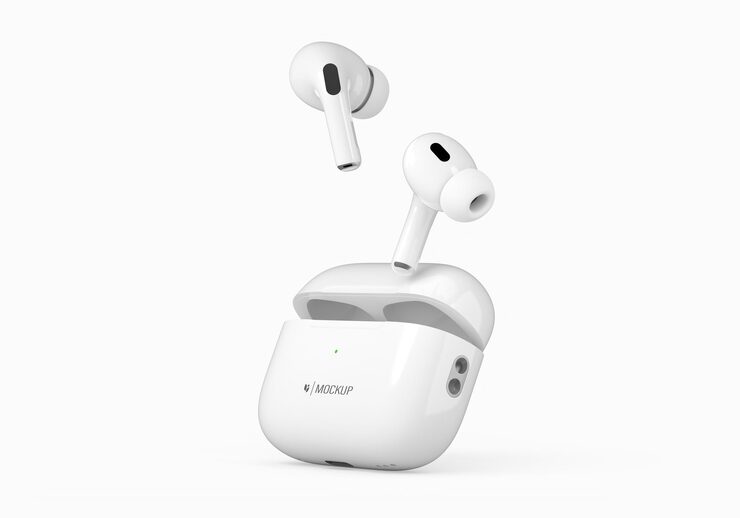
Wireless earbuds have quickly become one of the most sought-after tech accessories. Whether for music, calls, workouts, or simply convenience, these compact devices have replaced traditional wired earphones for many. Their portability, advanced features, and comfort make them ideal for daily use, and with technology advancing rapidly, options now range from budget-friendly basics to feature-packed premium models.
But with countless choices on the market, buying wireless earbuds isn’t as simple as picking the cheapest or most stylish pair. Sound quality, comfort, durability, and additional features vary significantly, and the best option depends on how you plan to use them.
This guide will walk you through everything you need to know before purchasing, including key features to consider, pros and cons, use cases, and expert insights.
Devices | Features | Price |
|---|---|---|
Wireless Earbuds | Bluetooth |
What to Consider Before Buying Wireless Earbuds
Before you add a pair of wireless earbuds to your cart, here are the most important factors to evaluate:
1. Sound Quality
- Bass and Treble Balance: Look for earbuds with balanced sound to handle different music genres.
- Driver Size: Larger drivers generally provide richer audio.
- Audio Codecs: Check for support of advanced codecs like AAC, aptX, or LDAC for high-resolution sound.
2. Battery Life
- Standard wireless earbuds last 4–8 hours per charge.
- Charging cases extend usage to 20–40 hours total.
- Quick-charge options can provide 1–2 hours of playtime in just minutes of charging.
3. Comfort and Fit
- In-ear tips: Silicone tips offer a snug fit and passive noise isolation.
- Open-fit designs: Comfortable for casual listening but less effective at blocking noise.
- Ear hooks or wings: Ideal for sports and active users who need stability.
4. Connectivity and Controls
- Bluetooth Version: Look for Bluetooth 5.0 or higher for better range and stability.
- Touch or Button Controls: Choose based on preference—touch is sleek, while buttons are more reliable during workouts.
- Multipoint Connectivity: Allows pairing with more than one device at a time.
5. Noise Control Features
- Noise-Cancelling (ANC): Blocks external sounds for immersive listening.
- Ambient or Transparency Mode: Lets outside sounds in for safety during commuting or workouts.
6. Durability and Water Resistance
- IPX Ratings: IPX4 and above provide resistance against sweat and splashes—essential for workouts.
- Higher ratings like IPX7 can withstand full water submersion.
7. Price vs. Features
- Budget models may focus on basics like sound and comfort.
- Mid-range earbuds usually include ANC and longer battery life.
- Premium models often add wireless charging, advanced audio codecs, and AI-assisted features.
Product Summary: Types of Wireless Earbuds
| Type | Best For | Advantages | Considerations |
|---|---|---|---|
| Standard Wireless | Everyday listening, commuting | Affordable, portable, easy to use | Limited features in budget models |
| Sports/Workout Earbuds | Active users, gym, running | Sweatproof, secure fit, durable | Bulkier designs for stability |
| Noise-Cancelling | Travelers, focus-driven work | Blocks distractions, immersive sound | Higher cost, reduced battery life |
| Open-Ear / Semi-In-Ear | Casual listeners, comfort seekers | Comfortable for long use, less pressure | Lower noise isolation |
| Premium High-Res | Audiophiles, tech enthusiasts | Superior sound, advanced features | Expensive investment |
Pros & Cons of Wireless Earbuds
Pros
- Portability: Compact size makes them easy to carry anywhere.
- True Wireless Experience: No tangled cords, complete freedom.
- Advanced Features: Many include ANC, touch controls, and voice assistants.
- Wide Compatibility: Pair easily with smartphones, tablets, laptops, and even TVs.
- Convenience: Perfect for commuting, workouts, and hands-free calls.
Cons
- Battery Dependency: Must be recharged frequently.
- Smaller Size Risk: Easier to lose than wired alternatives.
- Potential Lag: Some cheaper models may have audio delay during videos or gaming.
- Price Range: Premium models can be costly.
- Fit Issues: Not all earbuds suit every ear shape comfortably.
Who They’re Best For
- Commuters: Noise-cancelling earbuds make train rides or bus commutes peaceful.
- Fitness Enthusiasts: Sweat-resistant, secure-fit earbuds are perfect for gyms and runs.
- Remote Workers/Students: Ideal for video calls, online meetings, and focus sessions.
- Casual Listeners: Budget models provide solid sound for music, podcasts, and audiobooks.
- Travelers: Long battery life and ANC help block airplane or hotel noise.
- Audiophiles: High-resolution earbuds deliver studio-quality sound in a portable format.
Real Insights & Expert Opinions
During my own experience testing different wireless earbuds, I noticed ANC models make a dramatic difference in focus. While traveling, noise cancellation cut down engine sounds significantly, making even long flights more enjoyable.
Fitness coaches often recommend sports-focused earbuds with ear hooks or wings, since they stay in place even during high-intensity workouts. A runner I interviewed mentioned that sweat resistance and secure fit were non-negotiable features for her earbuds.
Audio professionals highlight the importance of codecs—standard Bluetooth may suffice for casual use, but for high-quality streaming or editing, codecs like aptX or LDAC are essential.
FAQs About Wireless Earbuds
1. How long do wireless earbuds usually last?
Most offer 2–3 years of reliable use with proper care, though battery performance may decline over time.
2. Can I use wireless earbuds for phone calls?
Yes, most models come with built-in microphones optimized for clear voice calls.
3. Are they safe for ears?
Yes, when used at safe volume levels. Long exposure to high volume can harm hearing, so moderation is key.
4. Do they work with all smartphones?
Most wireless earbuds connect via Bluetooth, making them compatible with nearly all modern devices.
5. Can they be used for gaming?
Some models offer low-latency or gaming modes, but regular earbuds may have slight audio lag.
6. Do they fall out easily?
That depends on design—sports earbuds with hooks or customizable tips offer better security.
Final Recommendation
Wireless earbuds bring freedom, flexibility, and high-quality sound to your daily life. From commuting to working out to professional calls, they adapt to multiple scenarios.
Here’s a recap for choosing the right pair:
- Budget-Friendly Users: Go for standard earbuds with reliable sound and comfort.
- Fitness Lovers: Pick sweat-resistant, secure-fit designs with IPX ratings.
- Frequent Travelers: Invest in noise-cancelling earbuds with long battery life.
- Work-from-Home Professionals: Choose models with clear microphones and multipoint connectivity.
- Audiophiles: Consider premium earbuds with high-resolution audio codecs.
No matter which type you choose, the key is balancing sound quality, comfort, features, and price. With the right pair, you’ll experience true wireless freedom and make every call, workout, or playlist more enjoyable.