
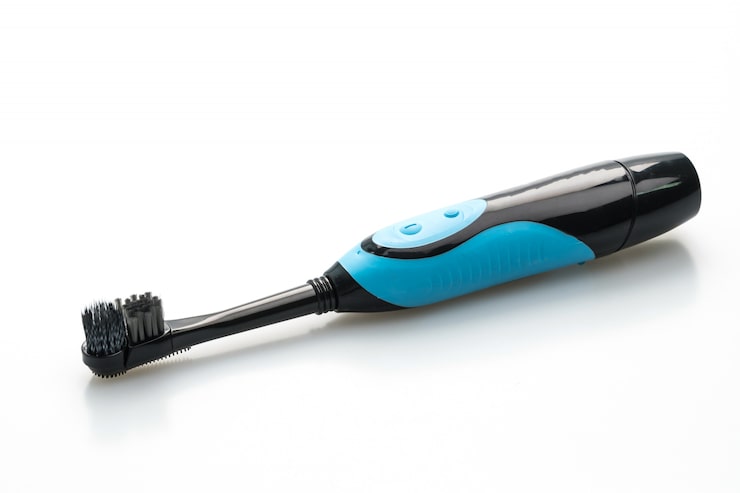
Oral hygiene is a cornerstone of overall health, and while daily brushing and flossing are essential, they may not always remove stubborn plaque and surface stains. That’s where a tooth polisher plaque remover for teeth can help. Designed for home use, these tools bridge the gap between routine brushing and professional cleaning, giving users a more confident smile and better oral hygiene.
But with so many options available, how do you know which one to choose? This buying guide will walk you through everything you need to know before purchasing a tooth polisher plaque remover—from key features to pros and cons, expert insights, and practical recommendations.
Devices | Features | Price |
|---|---|---|
Tooth Polisher Plaque Remover for Teeth | 5 Heads |
What to Consider Before Buying
1. Type of Device
Tooth polishers come in different styles, and the choice depends on your personal comfort and goals:
- Electric ultrasonic polishers: Use gentle vibrations to break down plaque and tartar buildup.
- Manual polishers: Affordable and simple but require more effort.
- Rotary polishers: Feature spinning heads with polishing tips to remove stains effectively.
2. Power Source
- Rechargeable battery-powered: Convenient, eco-friendly, and often more powerful.
- Disposable battery-operated: Usually less expensive but require frequent battery changes.
- Corded models: Less common but provide consistent power.
3. Polishing Heads and Attachments
Look for a device that includes multiple tips or heads, such as:
- Pointed heads for cleaning between teeth.
- Flat polishers for smooth tooth surfaces.
- Rubber cups or silicone tips for gentle polishing.
4. Speed and Intensity Settings
Different teeth and gums have different sensitivity levels. Adjustable speed or vibration modes help you customize the experience, especially if you have sensitive gums.
5. Ease of Use
- Ergonomic design for comfortable handling.
- Lightweight build to avoid hand fatigue.
- Simple controls for beginners.
6. Safety Features
Since teeth and gums are sensitive, safety is non-negotiable. Choose a polisher that:
- Includes automatic shut-off if overheated.
- Offers gentle pressure sensors to avoid gum damage.
- Uses medical-grade materials for the tips.
7. Maintenance and Cleaning
Look for detachable, washable heads and a design that resists buildup. Devices that include storage cases are more hygienic and portable.
Product Summary: Common Types of Tooth Polishers
Here’s a quick comparison of the most common types:
| Type | Pros | Cons | Best For |
|---|---|---|---|
| Ultrasonic Polisher | Effective against plaque and tartar, gentle vibrations | Higher price, needs charging | Frequent users, deeper cleaning |
| Rotary Polisher | Great for removing stains, smooth finish | Can feel abrasive on sensitive gums | Coffee/tea drinkers, smokers |
| Manual Polisher | Affordable, portable, no batteries | Requires effort, less powerful | Beginners, occasional use |
Pros & Cons of Using a Tooth Polisher Plaque Remover
✅ Pros
- Improves oral hygiene: Helps reduce plaque buildup between dental visits.
- Whiter smile: Removes surface stains from coffee, wine, and smoking.
- Convenient: Allows professional-style cleaning at home.
- Cost-effective: Reduces frequent trips for cosmetic dental cleaning.
- Customizable: Adjustable heads and speeds cater to different needs.
❌ Cons
- Not a replacement for dentists: Deep tartar or gum disease needs professional care.
- Learning curve: First-time users may find handling tricky.
- Overuse risks: Excessive pressure can irritate gums or enamel.
- Power limitations: Budget models may lack sufficient strength for stubborn stains.
Who It’s Best For
A tooth polisher plaque remover isn’t for everyone, but it’s particularly useful for:
- Coffee or tea drinkers: Reduces daily staining.
- Smokers: Helps manage discoloration.
- Busy professionals: Convenient for touch-ups between dental visits.
- Students and young adults: Affordable option for maintaining bright smiles.
- People with mild plaque buildup: Useful for maintaining oral health at home.
Note: Those with braces, gum disease, or highly sensitive teeth should consult a dentist before using any polishing device.
Real Insights: Expert Opinions and User Experiences
- Dentists emphasize that while home polishers are effective for surface cleaning, they should be used as a supplement—not a replacement—for professional check-ups.
- Frequent users report that ultrasonic models noticeably reduce plaque within a week of consistent use.
- Beginners often prefer rotary devices with rubber tips because they are easier to control and feel less intimidating.
From personal experience, switching from a manual polisher to a rechargeable ultrasonic device felt like an upgrade. The vibrations helped me clean in hard-to-reach areas more effectively, and having different speed settings gave me confidence to polish gently without irritating my gums.
FAQs
1. Can I use a tooth polisher daily?
Most devices are designed for occasional use (once or twice a week). Overuse may cause enamel wear or gum irritation.
2. Is it safe for sensitive teeth?
Yes, if the device includes adjustable intensity settings and soft polishing heads. Start on the lowest setting and monitor how your teeth respond.
3. Can kids use tooth polishers?
Generally not recommended for young children unless designed specifically for pediatric use. Always check product guidelines.
4. Do they replace flossing or brushing?
No. Tooth polishers are complementary tools, not substitutes. Brushing twice daily and flossing remain essential.
5. How do I clean and store the device?
Detach the polishing heads, rinse them under water, and store in a dry case. Recharge or replace batteries as needed.
Final Recommendation
A tooth polisher plaque remover for teeth is an excellent addition to your oral care routine, especially if you want a brighter smile or need help reducing plaque between dental visits.
- If you’re seeking deep cleaning and advanced features, go for an ultrasonic rechargeable device.
- If your priority is stain removal, a rotary model with polishing cups will serve you well.
- If you’re a beginner or on a budget, a manual polisher is a simple and effective starting point.
No matter which you choose, always remember: home polishing is a supplement, not a substitute, for professional dental care. Pairing a polisher with consistent brushing, flossing, and dental checkups is the best way to achieve a healthy, confident smile.