
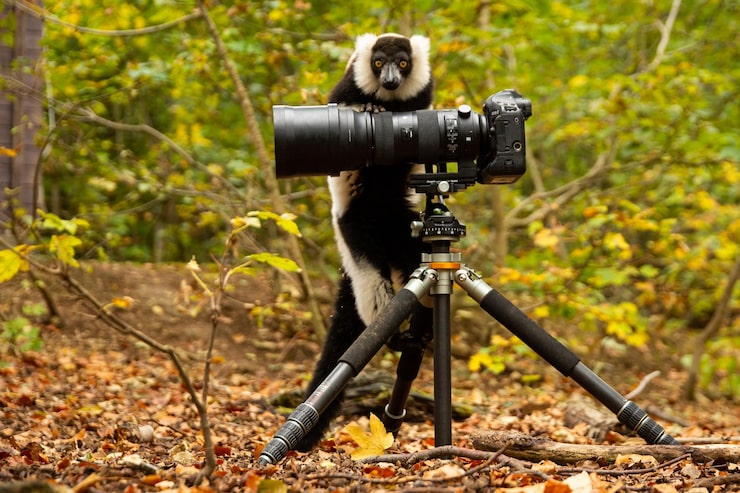
Wildlife cameras, also known as trail cameras, have revolutionized how we observe and understand the natural world. These devices allow us to capture candid images and videos of animals in their natural habitat without disturbing them. Whether you’re a nature enthusiast, researcher, or property owner monitoring land, a wildlife camera offers incredible insights.
From monitoring nocturnal animals to tracking deer patterns for hunting or simply enjoying the thrill of seeing which creatures roam your backyard, these cameras bring the unseen world closer. However, with so many options available—varying in resolution, detection range, battery life, and extra features—choosing the right one can be overwhelming.
This guide provides a complete breakdown of what to consider, comparisons of popular features, pros and cons, and expert insights to help you make the best choice for your needs.
Devices | Features | Price |
|---|---|---|
Wildlife Camera |
What to Consider Before Buying a Wildlife Camera
Before investing in a wildlife camera, evaluate the following factors:
1. Image and Video Quality
- Look for 12–20 megapixels or higher for sharp photos.
- 1080p or 4K video resolution captures clear footage.
- Night vision quality is crucial, especially for nocturnal animals.
2. Detection Range and Speed
- Detection range (50–100 feet) determines how far the camera can sense movement.
- Trigger speed (0.2–0.5 seconds) ensures you don’t miss fast-moving animals.
3. Night Vision Capability
- Infrared (IR) flash offers clear night shots without startling animals.
- No-glow or low-glow LEDs are best for stealthy nighttime recording.
4. Battery Life and Power Options
- Some cameras last 6–12 months on a set of AA batteries.
- Solar panel compatibility reduces maintenance.
5. Storage and Connectivity
- SD card support (32GB–256GB) for saving photos and videos.
- Wireless options (Wi-Fi or 4G LTE) allow remote monitoring.
6. Durability and Weather Resistance
- Ensure the camera is waterproof and dustproof (IP65 or higher rating).
- Sturdy construction helps it withstand extreme conditions.
7. Ease of Use
- Intuitive menus and displays make setup easier.
- Mounting straps and locks improve installation security.
Product Summary: Types of Wildlife Cameras
| Type | Best For | Pros | Cons |
|---|---|---|---|
| Standard Trail Camera | Beginners, casual users | Affordable, easy to use, reliable battery life | Requires manual retrieval of SD card |
| Cellular Wildlife Camera | Remote monitoring, hunters, researchers | Sends photos/videos to phone, real-time updates | Needs network coverage, higher ongoing cost |
| Wi-Fi Trail Camera | Backyard monitoring, short-range use | Quick transfer to phone via Wi-Fi | Limited range compared to cellular |
| 4K Wildlife Camera | Professionals, filmmakers | Ultra-clear images and video | More expensive, larger storage needs |
| Solar-Powered Camera | Long-term outdoor use | Eco-friendly, reduces battery changes | Higher initial investment |
Pros and Cons of Wildlife Cameras
✅ Pros
- Non-intrusive Observation: Capture wildlife naturally without human interference.
- Versatility: Useful for hunting, research, or home security.
- Long Battery Life: Some models last months with minimal maintenance.
- Advanced Features: Cellular and Wi-Fi options allow remote viewing.
- Durability: Built to withstand harsh weather conditions.
❌ Cons
- Cost Variations: Advanced models with cellular or 4K features are pricey.
- Network Dependence: Wireless models need strong signal coverage.
- Storage Management: Large files from high-resolution cameras require frequent SD card changes.
- Learning Curve: Beginners may find advanced settings complex at first.
Who It’s Best For
- Wildlife Enthusiasts: Perfect for those who love observing animals in natural habitats.
- Hunters: Helps track animal patterns for more strategic hunting.
- Researchers: Valuable tool for monitoring animal populations and behaviors.
- Property Owners: Acts as a security device for rural or suburban areas.
- Outdoor Photographers: High-resolution and 4K models are great for creative projects.
Real Insights: Experiences and Expert Opinions
User Experiences:
- Many users appreciate the long standby battery life, especially when cameras are placed deep in forests.
- Hunters highlight how cellular models save time by sending images directly to their phones.
- Backyard users enjoy capturing deer, foxes, and even raccoons roaming at night.
Expert Opinions:
- Wildlife biologists emphasize the importance of no-glow IR cameras for research, as they don’t disturb animals.
- Photographers recommend 4K cameras for cinematic-quality wildlife footage.
- Tech reviewers suggest balancing trigger speed and detection range to avoid missed opportunities.
FAQs About Wildlife Cameras
Q1. How long do wildlife cameras last?
With durable build and proper maintenance, they can last several years.
Q2. Do wildlife cameras work at night?
Yes, most use infrared technology to capture clear images in darkness.
Q3. Can I use a wildlife camera for home security?
Absolutely, many property owners use them for monitoring driveways and backyards.
Q4. Do I need Wi-Fi or cellular connectivity?
Not always. Standard models store footage on SD cards, but wireless models offer real-time convenience.
Q5. How do I stop animals from noticing the camera?
Choose no-glow infrared cameras to remain invisible at night.
Q6. Are wildlife cameras waterproof?
Yes, most are designed to withstand rain, snow, and dust.
Final Recommendation
Wildlife cameras are one of the most versatile tools for exploring nature, securing property, and supporting research. Choosing the right one depends on your goals:
- For casual observation, a standard trail camera offers simplicity and affordability.
- For hunters or remote users, cellular models provide real-time convenience.
- For photographers and professionals, a 4K wildlife camera ensures stunning quality.
- For long-term monitoring, solar-powered options reduce battery hassle.
If you’re just starting out, begin with a basic yet reliable model to learn how to set it up and capture footage. As your needs grow, upgrade to advanced features like cellular connectivity or 4K resolution.
With the right choice, a wildlife camera will not only give you a front-row seat to nature’s hidden world but also serve as a reliable tool for study, security, and adventure.