
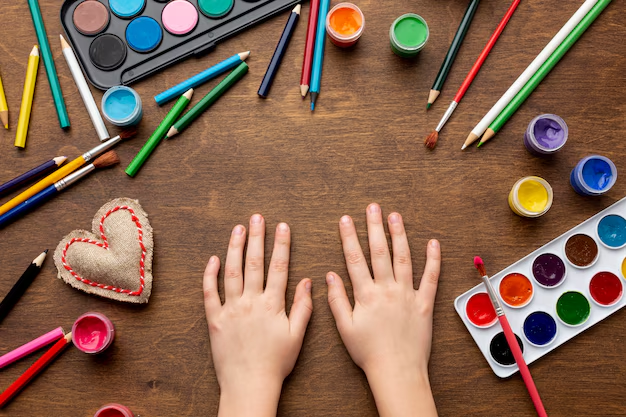
Arts and crafts are more than just fun activities for kids—they are essential tools for learning, creativity, and self-expression. From painting and drawing to clay modeling, beadwork, or paper crafts, these activities help children develop fine motor skills, boost problem-solving abilities, and encourage imaginative thinking.
But when it comes to choosing the right arts and crafts kits for kids, the options can be overwhelming. Some kits focus on painting and coloring, while others introduce jewelry-making, clay sculpting, or even beginner sewing. Each set has its strengths, and not every kit is suitable for every child’s age, interest, or skill level.
This comprehensive guide walks you through everything you need to know before buying—from key factors to consider and different types of craft kits to pros and cons, FAQs, and final recommendations. Whether you’re a parent, grandparent, or educator, this guide will help you pick the right creative tools to spark joy and learning in kids.
Devices | Features | Price |
|---|---|---|
Arts and Crafts for Kids | Ages 4-9 Kit |
What to Consider Before Buying
When selecting arts and crafts kits for kids, keep these important factors in mind:
1. Age Appropriateness
- Toddlers (3–5 years): Look for simple kits with big pieces, washable paints, and non-toxic materials.
- Elementary Age (6–9 years): Kids enjoy more detailed projects like jewelry making, paper crafts, and basic sculpting.
- Tweens (10–12 years): More complex kits such as advanced painting, sewing, or woodworking can be introduced.
2. Safety
- Always choose non-toxic, child-safe materials.
- Avoid small parts for younger children to reduce choking hazards.
- Look for washable paints, markers, and glues for easy cleanup.
3. Type of Activity
- Drawing and Painting: Great for kids who love colors and imagination.
- Sculpting and Clay Modeling: Enhances tactile creativity and motor skills.
- Paper Crafts: Encourages folding, cutting, and design skills.
- Jewelry Making: Builds patience, creativity, and fine motor coordination.
- STEM-Inspired Crafts: Combines science and creativity (e.g., building art robots).
4. Skill Development Goals
- Fine Motor Skills: Coloring, beading, and clay shaping.
- Problem Solving: Craft kits with step-by-step instructions encourage critical thinking.
- Creativity Boost: Open-ended kits allow kids to invent their own projects.
- Confidence Building: Completing a project helps children feel accomplished.
5. Storage and Cleanup
- Some kits come with storage boxes or organizers—a lifesaver for busy parents.
- Washable and easy-to-clean supplies make arts and crafts stress-free.
Product Summary: Types of Arts and Crafts Kits for Kids
| Type | Best For | Pros | Cons |
|---|---|---|---|
| Drawing & Painting Kits | Kids who love coloring & art | Boosts creativity, wide variety of tools | Can get messy, requires supervision |
| Clay & Sculpting Kits | Hands-on learners | Improves motor skills, tactile learning | Clay may dry out quickly without care |
| Paper Craft Sets | Beginners and elementary kids | Easy to use, budget-friendly | Limited durability of finished projects |
| Jewelry Making Kits | Tweens and creative kids | Enhances patience, wearable results | Small parts, not suitable for toddlers |
| STEM-Art Kits | Curious and tech-loving kids | Blends science with creativity | Usually pricier, requires adult guidance |
Pros & Cons of Arts and Crafts Kits
Pros
- Boosts Creativity: Encourages kids to think outside the box.
- Educational Value: Teaches problem-solving, planning, and patience.
- Motor Skill Development: Improves hand-eye coordination and fine motor skills.
- Confidence Building: Completing projects gives kids a sense of accomplishment.
- Family Bonding: Craft sessions become opportunities for quality time.
Cons
- Mess Factor: Painting, gluing, or clay can lead to spills and stains.
- Short Attention Span: Some kids may lose interest mid-project.
- Storage Issues: Kits with many small parts require good organization.
- Supervision Needed: Young children may need help or guidance.
Who It’s Best For
- Parents: Looking for fun, educational activities to engage kids at home.
- Teachers: Perfect for classroom activities or after-school programs.
- Grandparents: A thoughtful gift option that combines fun and learning.
- Kids with Special Interests: From painting to jewelry making, kits can be tailored to their hobbies.
Expert Insights and Real Experiences
- Personal Experience: I introduced a paper craft kit to my niece, who often struggled with focus. The step-by-step folding kept her engaged, and completing her first origami animal filled her with pride. It also became our bonding activity every weekend.
- Expert Opinion: Child development specialists emphasize that arts and crafts help children learn patience and persistence—important life skills that carry into schoolwork and beyond.
- Research Insight: A study in the Journal of Child Development found that children who regularly engage in creative activities show stronger problem-solving skills and higher emotional intelligence.
FAQs
1. What is the best type of arts and crafts kit for beginners?
Simple drawing, coloring, or paper craft kits are best for young beginners.
2. Are arts and crafts messy?
Some kits can be, especially painting or clay. Choosing washable, easy-to-clean materials helps minimize mess.
3. Do arts and crafts help with learning?
Yes! They boost problem-solving, creativity, motor skills, and emotional development.
4. Are these kits safe for toddlers?
Yes, as long as you pick age-appropriate, non-toxic kits with no small parts.
5. How do I encourage my child to stay engaged?
Start with short, fun projects, gradually moving toward more complex kits as their interest grows.
6. Are arts and crafts suitable for group activities?
Absolutely. They’re great for classrooms, parties, or family bonding activities.
Final Recommendation
Choosing the right arts and crafts kit for kids depends on your child’s age, interests, and developmental goals.
- For toddlers: Go with safe, simple drawing and painting kits with large, washable supplies.
- For elementary kids: Clay modeling and paper crafts offer hands-on learning and creativity.
- For tweens: More advanced kits like jewelry making or STEM-inspired art projects provide challenges and lasting results.
- For families: Multi-activity kits encourage bonding and allow children to explore different creative paths.
The key is to balance fun with educational value. Arts and crafts aren’t just hobbies—they are investments in your child’s development, confidence, and imagination. Whether it’s painting a masterpiece, folding paper animals, or making wearable jewelry, these kits provide children with opportunities to express themselves and learn through play.
With the right kit, you’ll be nurturing not only creativity but also problem-solving, patience, and confidence—all while giving your child an enjoyable activity they’ll look forward to again and again.