
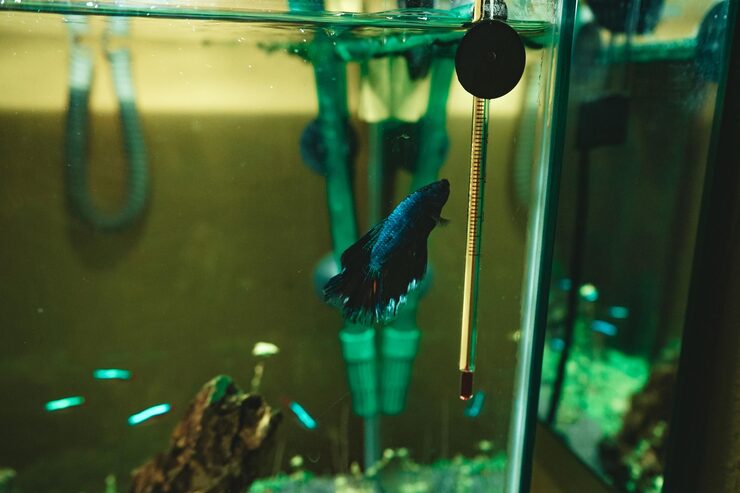
Fish are among the most popular pets, admired for their beauty and calming presence. But for many people, keeping real fish isn’t practical. Tanks require frequent cleaning, water treatment, and regular feeding. This is where electronic pet fish come in—a fun, low-maintenance alternative that mimics the look and motion of real fish.
Electronic pet fish swim using battery-powered motors or rechargeable systems, often designed with lifelike fins, LED lights, and smooth movements. They’re ideal for children, busy adults, classrooms, or anyone who loves the soothing presence of fish without the hassle of live animal care.
In this guide, we’ll explore what to look for before buying, compare types of electronic pet fish, and weigh the pros and cons to help you decide which option best suits your needs.
Devices | Features | Price |
|---|---|---|
Electronic Pet Fish | LED Light Electronic Fish |
What to Consider Before Buying
1. Power Source
- Battery-powered fish: Affordable and easy to use, but may require frequent replacements.
- Rechargeable fish: More eco-friendly and cost-efficient in the long run.
2. Realism of Movement
- Look for smooth, natural swimming motions.
- Some models can change direction or speed when they encounter obstacles.
3. Tank or Water Compatibility
- Many work in standard aquariums, bathtubs, or small water bowls.
- Ensure they’re waterproof and safe for prolonged water use.
4. Lighting & Effects
- LED lighting adds a colorful, eye-catching effect.
- Ideal for night displays or sensory rooms.
5. Durability & Safety
- Check for non-toxic materials, especially if children will use them.
- Look for fish designed to withstand frequent water use without leaking.
6. Ease of Use
- Simple on/off switches or motion-activated designs are best for kids.
- Consider models with automatic shut-off to conserve power.
7. Price & Value
- Multipacks offer variety and are often more cost-effective.
- Higher-priced models may include remote controls, more realistic designs, or advanced swimming features.
Product Summary: Types of Electronic Pet Fish
| Type | Best Use Case | Pros | Cons |
|---|---|---|---|
| Battery-Powered Fish | Kids’ toys, beginners | Affordable, easy to replace | Frequent battery changes needed |
| Rechargeable Fish | Long-term use, eco-conscious users | Cost-efficient, no frequent replacements | Slightly higher upfront cost |
| LED Light-Up Fish | Decorative displays, sensory rooms | Eye-catching, calming effects | Shorter battery life |
| Robotic Multi-Fish Packs | Families, group play | Variety, interactive play | May require large water space |
| Premium Realistic Fish | Display tanks, collectors | Very lifelike movement and design | More expensive |
Pros & Cons of Electronic Pet Fish
✅ Pros
- No maintenance: No feeding, cleaning, or water treatments required.
- Child-friendly: Safe introduction to pet care without responsibility.
- Stress relief: Calming and soothing, just like real aquariums.
- Versatile use: Suitable for homes, classrooms, offices, or therapy spaces.
- Reusable: Can be switched on and off at will, unlike real pets.
❌ Cons
- Battery dependency: Some require frequent recharging or replacement.
- Lack of interaction: Cannot provide the bonding experience of real pets.
- Durability issues: Cheaper models may break or stop swimming quickly.
- Noise factor: Some motors can be audible in quiet rooms.
Who It’s Best For
- Children: A safe, fun alternative to live pets that sparks curiosity.
- Busy adults: Enjoy aquarium beauty without daily care routines.
- Teachers: Useful in classrooms for decoration or sensory activities.
- Therapists & Caregivers: Helpful in calming environments for stress or anxiety relief.
- Travelers: Portable fun that can be enjoyed anywhere with water.
Real Insights & Experiences
- Parents: Many note that children love the bright LED models, often using them in bathtubs or small bowls.
- Teachers: Electronic fish in classrooms serve as calming visuals for students, especially in special education settings.
- Collectors: Hobbyists who enjoy aquarium aesthetics but don’t want live pet care often create decorative tanks with robotic fish.
- Personal insight: Using a rechargeable LED model in a home office added both color and a sense of relaxation, helping reduce screen fatigue.
FAQs
1. Are electronic pet fish safe for kids?
Yes. Most are made with non-toxic materials and designed for safe use in water. Always supervise younger children to avoid small battery hazards.
2. How long do they swim on one charge?
Battery-powered fish usually last 1–2 hours, while rechargeable ones can run 3–4 hours per charge.
3. Can they be used in any type of tank?
Yes, but they perform best in clear, open spaces like aquariums or bowls where movement isn’t obstructed.
4. Do they make noise?
Some produce a faint motor sound, but high-quality models are nearly silent.
5. Can electronic fish replace real pets?
They provide visual enjoyment but lack interaction. They’re more of a toy or decoration than a true pet replacement.
6. How do I clean them?
Simply wipe with a soft, dry cloth after use. Avoid harsh chemicals that may damage waterproof seals.
Final Recommendation
Electronic pet fish offer a unique combination of entertainment, relaxation, and decorative appeal. They’re especially valuable for those who love aquariums but don’t want the responsibility of live pet care.
- For kids: Multipacks with LED lights provide fun and vibrant play.
- For adults: Rechargeable, realistic models are perfect for desks or relaxation spaces.
- For therapy or classrooms: Light-up fish can create a calming environment for groups.
When buying, prioritize durability, power source, and realism of movement. If you want a stress-free decorative addition to your home or office, or a fun water toy for kids, electronic pet fish are a delightful choice.