
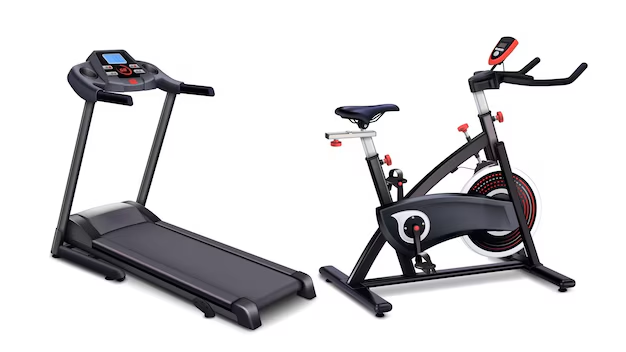
Indoor exercise bikes have become one of the most popular pieces of fitness equipment for home workouts. Whether you’re aiming to improve cardiovascular health, build endurance, lose weight, or simply enjoy a low-impact workout, an exercise bike offers a practical solution. Unlike outdoor cycling, you can pedal at any time of day without worrying about traffic, weather, or terrain.
But with so many options available—ranging from upright bikes and spin bikes to recumbent designs—choosing the right one can feel overwhelming. Should you prioritize comfort, resistance levels, or technology features like app connectivity? This guide will break down everything you need to know before buying, with comparisons, pros and cons, real insights, and expert recommendations.
Devices | Features | Price |
|---|---|---|
Exercise Bike Indoor | 136 kg Weight |
What to Consider Before Buying an Indoor Exercise Bike
1. Type of Exercise Bike
- Upright Bikes: Resemble traditional bicycles; compact and versatile for cardio workouts.
- Spin Bikes: Designed for high-intensity training, often used in cycling classes.
- Recumbent Bikes: Feature a reclined seat with back support; great for comfort and joint-friendly exercise.
- Dual-Action Bikes: Include moving handlebars for a full-body workout.
2. Resistance System
- Magnetic Resistance: Quiet, smooth, and adjustable; ideal for home use.
- Friction Resistance: Provides high-intensity feel but requires more maintenance.
- Air Resistance: Resistance increases as you pedal harder; excellent for interval training.
3. Flywheel Weight
- Heavier flywheels (30+ lbs) give a smoother ride, especially for spin-style workouts.
- Lighter flywheels make bikes easier to move and suitable for beginners.
4. Comfort and Adjustability
- Look for adjustable seat height, handlebar position, and pedal straps.
- Recumbent bikes are best for back support and long workouts.
5. Technology and Features
- LCD monitors for tracking speed, distance, calories, and heart rate.
- Bluetooth or app connectivity for immersive training programs.
- Built-in workout programs for varied routines.
6. Space and Storage
- Upright and spin bikes are compact.
- Foldable designs work well for small apartments.
- Recumbent bikes require more floor space.
7. Budget and Durability
- Entry-level bikes are affordable but may lack stability for intense use.
- Mid-range models balance features and comfort.
- High-end options are durable, packed with features, and suited for daily training.
Product Summary: Types of Indoor Exercise Bikes
| Type | Best For | Pros | Cons |
|---|---|---|---|
| Upright Bike | General fitness, small spaces | Compact, affordable, good cardio workout | Less comfortable for long sessions |
| Spin Bike | High-intensity training, endurance | Smooth ride, realistic cycling experience | Harder on beginners, can be less comfortable |
| Recumbent Bike | Comfort, low-impact exercise | Back support, joint-friendly, great for seniors | Larger size, higher cost |
| Dual-Action Bike | Full-body training, calorie burning | Engages arms and legs, excellent cardio | Louder, bulkier, not ideal for everyone |
| Foldable Bike | Small apartments, casual use | Space-saving, lightweight | Less durable, limited resistance |
Pros and Cons of Indoor Exercise Bikes
✅ Pros:
- Low-Impact Workouts: Easy on joints compared to running.
- Convenience: Exercise anytime, regardless of weather.
- Calorie Burning: Helps with weight loss and fitness goals.
- Variety: Different types suit beginners to advanced athletes.
- Compact Options: Many bikes fit well in apartments.
❌ Cons:
- Monotony: Some users find cycling repetitive without variety.
- Space Requirements: Recumbent and dual-action bikes need more room.
- Maintenance: Friction resistance and air bikes require upkeep.
- Cost: Advanced models can be expensive.
Who It’s Best For
- Beginners: Upright or foldable bikes for easy entry into fitness.
- Cycling Enthusiasts: Spin bikes for high-intensity training.
- Seniors or Rehab Users: Recumbent bikes for comfort and joint protection.
- Weight Loss Seekers: Air bikes or dual-action bikes for calorie burn.
- Apartment Dwellers: Compact upright or foldable bikes.
Real Insights: Experiences and Expert Opinions
User Experiences:
- Many fitness enthusiasts report spin bikes as the closest to outdoor cycling, great for interval training.
- Seniors often prefer recumbent bikes for the back support and ease of use.
- Busy professionals highlight foldable bikes as a great way to fit workouts into small spaces.
Expert Opinions:
- Personal trainers recommend choosing a bike with adjustable resistance and seat options to prevent injuries.
- Physical therapists stress the benefits of recumbent bikes for individuals with arthritis or knee pain.
- Cycling instructors suggest pairing indoor bikes with structured programs for motivation and progress.
FAQs About Indoor Exercise Bikes
Q1. How many calories can you burn on an exercise bike?
Depending on intensity and weight, you can burn 300–600 calories per hour.
Q2. Are exercise bikes good for weight loss?
Yes, consistent cycling combined with a healthy diet supports weight loss.
Q3. Which is better: a treadmill or exercise bike?
Bikes are lower impact, making them easier on joints, while treadmills burn slightly more calories.
Q4. How long should I cycle daily?
At least 20–30 minutes for beginners; 45–60 minutes for more advanced fitness goals.
Q5. Do exercise bikes require maintenance?
Magnetic bikes need little upkeep, while friction or air bikes may need regular adjustments.
Q6. Can I watch TV or read while cycling?
Yes, especially on recumbent or upright bikes at moderate intensity.
Final Recommendation
Indoor exercise bikes are one of the most versatile fitness tools for home workouts. They cater to a wide range of users—whether you’re a beginner, a senior seeking joint-friendly movement, or a serious cyclist training indoors.
For comfort and rehabilitation, a recumbent bike is the best option. If you’re after intense cardio and endurance, go with a spin bike. For everyday fitness in limited space, consider an upright or foldable model. Those seeking maximum calorie burn should look into air or dual-action bikes.
Ultimately, the best exercise bike depends on your fitness goals, budget, and available space. By evaluating the features outlined in this guide—resistance type, adjustability, comfort, and durability—you can choose a bike that keeps you motivated and fits seamlessly into your lifestyle.
With the right choice, you’ll have a reliable partner for improving health, building stamina, and reaching fitness milestones—all without leaving home.