
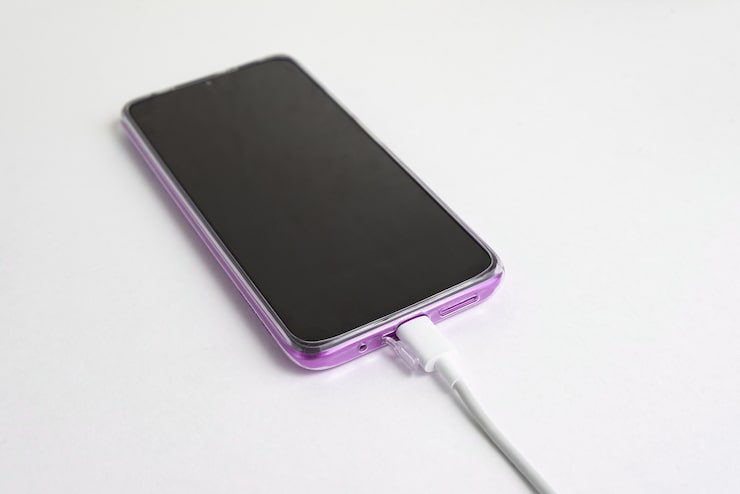
In today’s world, where smartphones, tablets, and other gadgets have become our lifelines, running out of battery at the wrong time can be frustrating. Whether you’re traveling, working remotely, or simply commuting, a power bank with fast charging capability ensures you stay connected without interruptions.
But with so many options available, how do you choose the right one? This guide dives deep into what makes a power bank reliable, the features to look for, pros and cons of different models, and real-life use cases. By the end, you’ll be able to confidently select a fast-charging power bank that fits your lifestyle.
Devices | Features | Price |
|---|---|---|
Power Bank Fast Charging, | 15000mAh |
What to Consider Before Buying a Fast Charging Power Bank
When shopping for a power bank, not all options are created equal. Here are key factors you should keep in mind:
1. Battery Capacity (mAh)
- Small capacity (5,000–10,000mAh): Lightweight, compact, suitable for quick top-ups on a smartphone.
- Medium capacity (10,000–20,000mAh): Balanced size, can recharge a smartphone multiple times or support tablets.
- Large capacity (20,000mAh+): Bulky but ideal for power users, long trips, or charging multiple devices.
💡 Example: If you’re someone who spends hours gaming on your phone, a 20,000mAh model might be a better fit than a pocket-sized 5,000mAh option.
2. Fast Charging Standards
Fast charging ensures your devices power up quickly instead of waiting for hours. Common standards include:
- Quick Charge (QC): Designed for Android devices.
- Power Delivery (PD): Works across devices, including smartphones, tablets, and laptops.
- Proprietary Fast Charging: Some devices support brand-specific technologies.
💡 Tip: Always check if the power bank supports the same fast-charging standard as your device.
3. Number and Type of Ports
- USB-A ports: Standard outputs for most devices.
- USB-C ports: Faster charging, reversible, often support PD.
- Multiple ports: Great for charging more than one device at a time.
4. Size and Weight
- Frequent travelers may prefer slim, pocket-friendly models.
- For camping or long trips, a heavier but high-capacity bank might be worth it.
5. Safety Features
A good power bank should include:
- Overcharge protection
- Short-circuit protection
- Temperature control
- Certified safety standards
6. Extra Features
- LED indicators: Show battery status.
- Wireless charging: For cable-free convenience.
- Pass-through charging: Lets you charge both the power bank and your device simultaneously.
Product Summary: Comparing Fast Charging Power Banks
Here’s a simplified comparison to help visualize the differences between common types of power banks:
| Feature | Compact (5,000–10,000mAh) | Standard (10,000–20,000mAh) | Heavy Duty (20,000mAh+) |
|---|---|---|---|
| Portability | Very lightweight, fits in pocket | Moderate size, easy to carry in bag | Bulky, best for long trips |
| Fast Charging | Usually single port, limited output | Multiple ports, USB-C PD support | Multiple ports, higher wattage |
| Device Support | Best for phones | Phones + tablets | Phones + tablets + laptops |
| Price Range | Budget-friendly | Mid-range | Higher investment |
| Best Use Case | Quick daily backup | Daily work/travel use | Extended travel/camping |
Pros & Cons of Different Types
Compact Power Banks
✅ Pros: Lightweight, easy to carry, affordable
❌ Cons: Limited capacity, may not support high-watt fast charging
Standard Power Banks
✅ Pros: Great balance of size and power, supports fast charging standards, multiple devices
❌ Cons: Slightly heavier, may not fully charge laptops
Heavy-Duty Power Banks
✅ Pros: Huge capacity, supports multiple fast-charging ports, can power laptops
❌ Cons: Heavy, expensive, may not be airline-friendly above certain capacity
Who It’s Best For
- Students & Professionals: A 10,000–20,000mAh model with fast charging keeps phones and tablets ready during classes or meetings.
- Travelers: Long-haul travelers should consider 20,000mAh+ models for peace of mind during flights and road trips.
- Gamers & Streamers: High-capacity power banks with PD ensure uninterrupted sessions.
- Minimalists: If you just need an emergency top-up, a compact model fits seamlessly into your pocket.
Real Insights: Expert Opinions & Experiences
- Frequent Flyer’s Perspective: Many airlines allow power banks up to 27,000mAh in carry-on luggage. A traveler once shared that a 10,000mAh model saved them during a 14-hour flight when in-seat charging was unavailable.
- Tech Enthusiast’s View: USB-C with PD has become a game-changer. A single fast-charging port can power both a smartphone and a lightweight laptop, reducing the need for multiple chargers.
- Daily User Story: Commuters find that slim 10,000mAh models easily last through the day while staying pocket-friendly.
FAQs
1. How long does a fast-charging power bank last?
Most quality power banks last 300–500 full charge cycles, which translates to 2–3 years with regular use.
2. Can power banks charge laptops?
Yes, but only models with USB-C Power Delivery (PD) and sufficient wattage (usually 30W or more).
3. Is a higher mAh always better?
Not necessarily. While higher capacity means more charges, it also increases size and weight. It’s about balancing needs with portability.
4. Are wireless charging power banks worth it?
They’re convenient but usually slower than wired fast charging. They’re best for casual users, not those needing quick top-ups.
5. Do power banks lose capacity over time?
Yes. Just like any rechargeable battery, capacity gradually decreases with frequent use. Proper care (avoiding extreme heat, not over-discharging) helps extend life.
Final Recommendation
Choosing the right fast charging power bank depends on your lifestyle:
- If you’re a casual user, a compact 5,000–10,000mAh option will keep your phone alive in emergencies.
- For balanced use, a 10,000–20,000mAh model with USB-C PD and multiple ports is the sweet spot.
- Power users, travelers, and those who rely on laptops should opt for a 20,000mAh+ heavy-duty power bank with fast charging capabilities.
No matter which type you choose, prioritize safety certifications, charging compatibility, and portability. Investing in the right power bank ensures you’re never caught with a dead device again.