
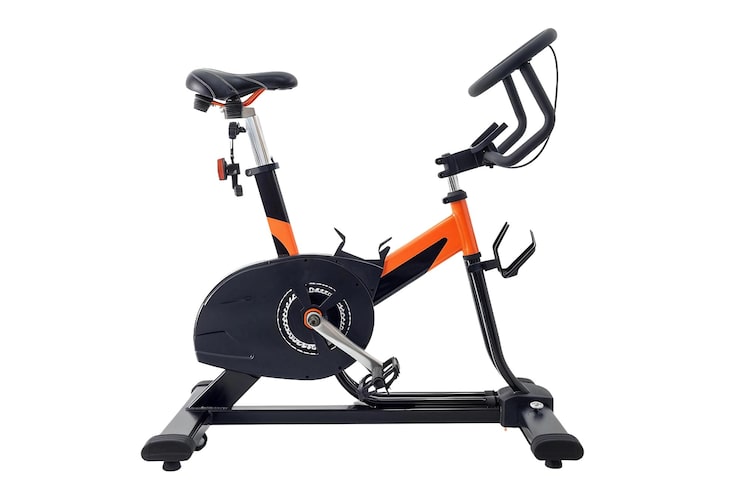
Indoor cycling has become one of the most popular ways to stay fit without leaving home. Whether you’re aiming for weight loss, building endurance, or enjoying low-impact cardio, an exercise bike (indoor bike) offers convenience and versatility.
With dozens of models available—from compact folding bikes to advanced spin cycles—it can be tricky to decide which one suits your lifestyle. This guide will break down the essentials: what to look for, the types of exercise bikes available, their pros and cons, and tips for choosing the right option for your fitness goals.
Devices | Features | Price |
|---|---|---|
Exercise Bike Indoor Bike | LCD Display |
What to Consider Before Buying an Indoor Exercise Bike
1. Fitness Goals
- Weight loss & cardio: Upright or spin bikes with adjustable resistance are ideal.
- Rehabilitation & low-impact exercise: Recumbent bikes provide better back support.
- High-intensity training: Air or spin bikes allow maximum resistance and calorie burn.
2. Types of Resistance
- Magnetic resistance: Quiet, smooth, and adjustable.
- Friction resistance: Traditional style, offers intense workouts but requires more maintenance.
- Fan/air resistance: Resistance increases with pedaling effort, great for HIIT.
3. Comfort & Adjustability
- Look for adjustable seats and handlebars to fit your body size.
- Wide, cushioned seats are better for beginners or long sessions.
- Compact folding designs are best for small apartments.
4. Console & Tracking Features
- Displays may include: speed, time, distance, calories, and heart rate.
- Some models integrate Bluetooth or app compatibility for workout tracking.
5. Noise Level
- Magnetic bikes are the quietest—perfect for shared spaces.
- Air bikes are louder but excellent for intense training.
6. Budget & Durability
- Entry-level: Basic features, good for casual riders.
- Mid-range: Better resistance options and tracking.
- Premium: Heavy-duty frames, advanced digital features, built for serious cyclists.
Product Summary: Types of Indoor Exercise Bikes
| Type | Best For | Pros | Cons |
|---|---|---|---|
| Upright Bikes | General fitness, compact homes | Affordable, space-saving | Less comfortable for long sessions |
| Recumbent Bikes | Seniors, rehab, low-impact users | Comfortable seat, back support | Larger footprint, less intense workout |
| Spin Bikes | High-intensity workouts | Closest to road cycling feel | Requires stamina, can strain beginners |
| Air/Fan Bikes | HIIT, calorie burn | Resistance matches effort, great cardio | Noisy, less portable |
| Folding Bikes | Small apartments, light workouts | Easy storage, budget-friendly | Not as durable, fewer resistance levels |
Pros & Cons of Indoor Exercise Bikes
Pros
- Convenience: Train anytime without leaving home.
- Low-impact: Easier on joints compared to running.
- Adjustable resistance: Suitable for beginners and advanced riders.
- Space-friendly options: Folding and compact designs available.
- Tracking features: Helps monitor progress.
Cons
- Can be repetitive compared to outdoor cycling.
- High-end models can be expensive.
- Some types (spin, air bikes) are noisy.
- Seats may be uncomfortable without cushioning.
Who It’s Best For
- Beginners: Upright or folding bikes offer an easy introduction to indoor cycling.
- Seniors or rehabilitation users: Recumbent bikes provide back support and safety.
- Fitness enthusiasts: Spin and air bikes deliver intense workouts.
- Busy professionals: Compact bikes fit well into apartments or offices.
- Cyclists in training: Spin bikes mimic road cycling conditions.
FAQs About Exercise Bikes
Q1: How long should I ride an exercise bike each day?
For general fitness, aim for 20–40 minutes, 3–5 times per week.
Q2: Can I lose weight using an indoor bike?
Yes. Combined with a healthy diet, consistent cycling can help burn calories and aid weight loss.
Q3: Which bike is best for knee problems?
Recumbent bikes are typically recommended since they reduce stress on joints.
Q4: Are folding bikes worth it?
Yes, if you have limited space and want a light workout option. They’re not as durable for heavy use.
Q5: Do exercise bikes need maintenance?
Magnetic bikes need minimal upkeep, while friction and air bikes may require regular adjustments.
Real Insights & Expert Opinions
From personal experience, a recumbent bike proved invaluable for recovery after a minor knee injury—its supportive design made cardio possible without strain. On the other hand, spin bikes provided a road-like feel that pushed endurance levels higher during training.
Fitness experts also emphasize that the key to results is consistency, not just the model you buy. Choosing a bike that’s comfortable and enjoyable to ride increases the likelihood of regular workouts.
Final Recommendation
When shopping for an indoor exercise bike, consider your fitness goals, comfort needs, and available space.
- Choose a recumbent bike if comfort and joint protection are priorities.
- Opt for a spin or air bike if you’re chasing high-intensity, sweat-dripping workouts.
- Go with a folding or upright bike if you want budget-friendly cardio in a small living space.
Ultimately, the best exercise bike is the one you’ll actually use consistently. With the right choice, you can transform your fitness routine, improve endurance, and enjoy the convenience of cycling at home.