
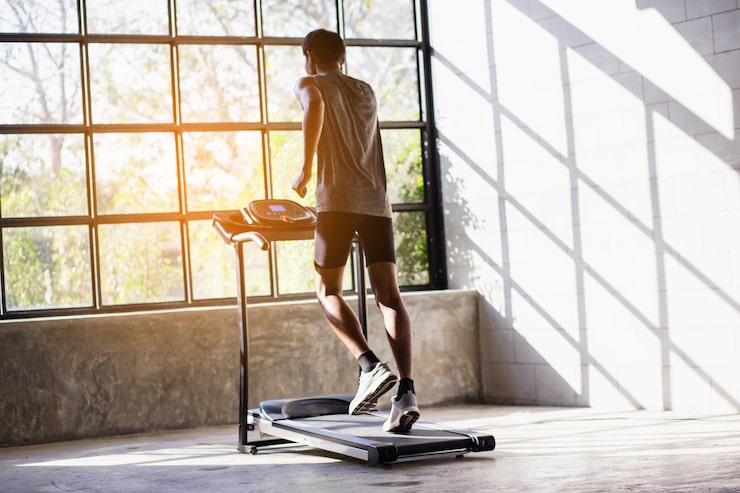
For many people, fitness begins at home. A foldable treadmill for home use is one of the most practical solutions for building a workout routine without needing a gym membership. Compact, space-saving, and designed with home lifestyles in mind, foldable treadmills make it possible to jog, walk, or run no matter the weather outside.
But buying the right treadmill can feel overwhelming. With countless models offering different features—motor strength, speed range, incline levels, and technology—it’s easy to get lost in the details. This guide breaks down exactly what to look for, who these treadmills are best for, and how to balance your fitness goals with budget and space.
Devices | Features | Price |
|---|---|---|
Treadmill for Home Foldable | Machine with AI Coach |
What to Consider Before Buying a Foldable Treadmill
1. Space & Storage
- Check the folded dimensions—some treadmills can slide under a bed, while others fold upright.
- Consider if it has transport wheels for easy movement.
- If living in a small apartment, compact designs are ideal.
2. Motor Power
- Measured in Horsepower (HP) or Continuous Horsepower (CHP).
- 1.5–2.0 CHP: Best for walking or light jogging.
- 2.5–3.0 CHP: Suitable for regular jogging and light running.
- 3.0+ CHP: Ideal for running or shared use among family members.
3. Speed Range
- Basic models: 0.5–6 mph, good for walking.
- Mid-range models: up to 10 mph, suitable for jogging.
- Advanced treadmills: 12 mph or higher, designed for serious runners.
4. Incline Options
- Manual incline: Adjusted by hand before workout.
- Automatic incline: Controlled by buttons while running.
- Inclines help burn more calories and simulate outdoor terrain.
5. Running Deck Size
- 16”–18” wide: Good for walking.
- 18”–20” wide: Better for jogging.
- 20”+ wide: Ideal for running and stability.
- Length also matters—taller users may need longer decks (55”–60”).
6. Weight Capacity
- Most foldable treadmills hold 220–300 lbs.
- Higher-capacity models are sturdier and more durable.
7. Cushioning System
- Shock absorption reduces strain on joints.
- Look for systems that mimic outdoor terrain while protecting knees and ankles.
8. Technology & Features
- LCD/LED display: Tracks time, distance, calories, and heart rate.
- Bluetooth & app compatibility: Sync workouts, stream music, or join virtual running classes.
- Preset workout programs: Adds variety to routines.
- Safety key: Essential to stop the treadmill immediately in emergencies.
9. Noise Level
- Important for shared living spaces.
- A well-designed motor and cushioning reduce operational noise.
10. Budget Range
- Entry-level ($200–500): Compact, suitable for walking/light jogging.
- Mid-range ($500–1000): Better motor power, incline options, larger decks.
- Premium ($1000+): Strong motors, advanced cushioning, smart connectivity, longer durability.
Product Summary: Types of Foldable Treadmills
| Type | Best For | Pros | Cons |
|---|---|---|---|
| Walking Treadmills | Beginners, seniors, rehab use | Compact, budget-friendly, low noise | Not ideal for running |
| Jogging Treadmills | Moderate fitness routines | Mid-range motor, incline options | Less durable for intense runs |
| Running Treadmills | Runners, advanced workouts | Strong motor, wide deck, durable frame | Higher cost, heavier design |
| Desk Treadmills | Office/home office workers | Walk while working, ultra-compact | Limited to low speeds |
Pros & Cons of Foldable Home Treadmills
✅ Pros
- Space-saving design—perfect for small apartments.
- Convenient workouts anytime, regardless of weather.
- Cushioned decks reduce joint stress compared to outdoor running.
- Variety of models for walking, jogging, or running.
- Smart features like app integration enhance motivation.
❌ Cons
- Less stable compared to heavy-duty gym treadmills.
- Weight limits may not suit all users.
- Running deck size can be smaller on compact versions.
- Noise may be an issue in cheaper models.
- Premium features can raise the price significantly.
Who It’s Best For
- Beginners & Walkers: Entry-level treadmills with small footprints and simple features.
- Joggers: Mid-range models with incline options and moderate speed.
- Runners: Advanced treadmills with strong motors and long decks for safety.
- Busy Professionals: Desk-compatible treadmills for staying active while working.
- Families: Foldable models with higher weight capacity for shared use.
Real Insights & Expert Opinions
- Fitness coaches recommend choosing a treadmill that matches your long-term goals. If you plan to progress from walking to running, invest in a sturdier model upfront.
- Apartment dwellers find compact, under-desk treadmills valuable for combining work and fitness.
- Rehabilitation specialists often suggest low-speed, cushioned treadmills to patients recovering from injuries.
- From personal experiences, users often regret buying ultra-budget treadmills—they may fold easily but struggle with durability under consistent use. A mid-range option balances cost and performance.
FAQs
1. Are foldable treadmills durable?
Yes, especially mid-range and premium models. Budget models may wear faster with heavy use.
2. Can I run on a foldable treadmill?
Yes, but ensure the motor has at least 2.5–3.0 CHP and the deck is wide enough.
3. Do foldable treadmills require assembly?
Most arrive partially assembled. Final setup usually takes 30–60 minutes.
4. How much space do they need?
Compact models can slide under a bed or sofa, while larger foldables require a corner or wall space.
5. Are they noisy?
High-quality models run quietly, but cheaper ones may produce noticeable noise.
6. Do they track fitness data?
Most include displays for distance, calories, and time. Premium versions sync with apps for detailed tracking.
7. What’s the lifespan of a foldable treadmill?
With regular maintenance, 5–10 years depending on frequency of use and build quality.
Final Recommendation
A foldable treadmill for home use is an excellent investment for maintaining fitness in a convenient, space-saving way. Here’s how to decide:
- Choose entry-level walking models if you want light exercise or rehabilitation support.
- Go for mid-range jogging treadmills if you’re building consistent fitness habits.
- Pick advanced running treadmills if you’re serious about running, need higher speed, or want long-term durability.
- Consider desk treadmills if multitasking fitness and work is a priority.
Ultimately, the best foldable treadmill is one that matches your fitness goals, available space, and budget. With the right choice, you’ll enjoy effective workouts from the comfort of your home—without sacrificing precious living space.