
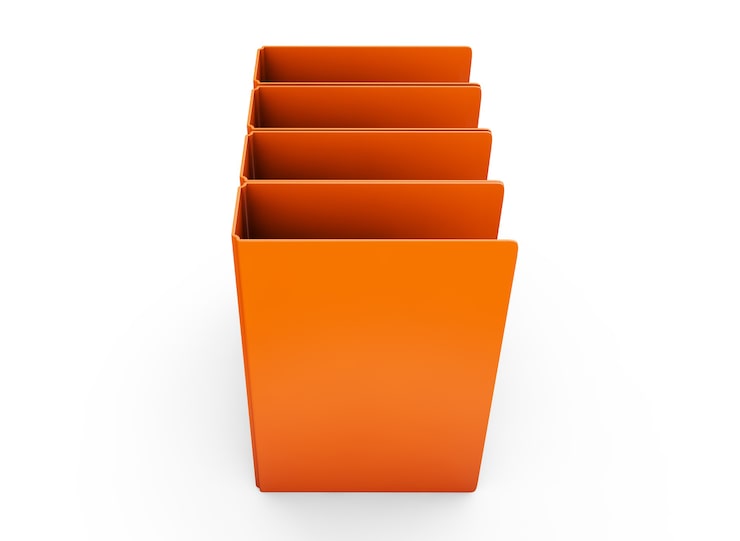
Keeping your workspace neat is more than just about appearances—it directly affects productivity, focus, and even stress levels. A cluttered desk full of loose papers, receipts, and notes can make you feel overwhelmed. This is where a 3 tier sliding paper organizer steps in as a practical and stylish solution.
Unlike simple trays or bulky filing cabinets, a three-tiered organizer strikes a balance between compact design and generous storage capacity. Whether you’re a student juggling assignments, a remote worker handling documents, or a professional managing office paperwork, investing in the right organizer can make your daily routine smoother and more efficient.
This buying guide covers everything you need to know before purchasing a 3 tier sliding paper organizer: features, comparisons, pros and cons, best uses, and expert insights.
Devices | Features | Price |
|---|---|---|
3 Tier Sliding Paper Organiser | Tray Metal |
What to Consider Before Buying
When selecting the right 3 tier sliding paper organizer, a few factors will determine whether it meets your needs long-term:
1. Material and Build Quality
- Metal mesh: Durable, modern-looking, and resistant to wear.
- Wooden designs: Stylish, sturdy, and perfect for professional or home office décor.
- Plastic organizers: Lightweight and affordable, though less durable.
Tip: If your workspace has heavy paper traffic, metal or wood is more reliable. For light use, plastic can be budget-friendly.
2. Sliding Mechanism
The key feature of these organizers is the sliding tray system. Look for:
- Smooth glide rails for easy access.
- Stopper design to prevent trays from sliding out completely.
- Noise-free operation for shared workspaces.
3. Size and Dimensions
Measure your desk space before buying. Consider:
- Standard A4/letter paper fit.
- Extra width if you store folders or magazines.
- Compact depth if working with a smaller desk.
4. Design and Aesthetics
Organizers come in minimalist, industrial, or classic wooden finishes. Choose one that complements your décor. If your desk doubles as a home setup, aesthetics might be just as important as function.
5. Weight Capacity
Not all trays are made for heavy loads. If you deal with thick files, reports, or binders, ensure the organizer can handle the extra weight without bending or warping.
6. Maintenance
- Metal and plastic versions are easier to clean.
- Wooden ones may require gentle dusting and polish.
- Avoid organizers that trap dust or require complex disassembly.
Product Summary: Common Types of 3 Tier Sliding Paper Organizers
Here’s a breakdown of the most common types available and how they compare:
| Type | Pros | Cons | Best For |
|---|---|---|---|
| Metal Mesh | Sturdy, sleek, long-lasting, ventilated | Can look industrial or plain | Office setups, heavy use |
| Wooden | Stylish, durable, adds warmth | Heavier, higher price | Home office, executive desk |
| Plastic | Affordable, lightweight, colorful | Less durable, scratches easily | Students, casual use |
| Hybrid (Wood + Metal) | Blend of durability and design | Higher price, less common | Professionals wanting style + function |
Pros & Cons of a 3 Tier Sliding Paper Organizer
✅ Pros
- Maximized storage: Three trays allow sorting by priority (e.g., incoming, in-progress, completed).
- Space-saving: Vertical design uses less desk space compared to scattered piles.
- Quick access: Sliding trays reduce the hassle of removing stacks to reach papers at the bottom.
- Professional look: Neatly stacked documents improve the overall appearance of your desk.
- Versatile use: Works for letters, bills, school assignments, notebooks, and even craft supplies.
❌ Cons
- Limited to desk size: If you handle very large volumes of paperwork, you may need additional filing systems.
- Dust accumulation: Open designs require regular cleaning.
- Weight restriction: Overloading trays can damage the sliding rails.
- Not fully enclosed: Offers less protection against moisture or accidental spills compared to cabinets.
Who It’s Best For
A 3 tier sliding paper organizer is versatile, but different users benefit in specific ways:
- Students: Keep assignments, notes, and handouts in separate trays. Prevents mixing up urgent homework with reference materials.
- Teachers: Helps organize lesson plans, graded papers, and to-be-graded stacks.
- Remote Workers: Keeps contracts, invoices, and bills tidy without overwhelming small home office desks.
- Corporate Professionals: Maintains an uncluttered, executive-style desk while still having key documents within reach.
- Crafters & Hobbyists: Perfect for organizing cardstock, printables, or project materials.
Real Insights: Expert Opinions and User Experiences
- Office Efficiency Experts suggest that a sliding organizer encourages better workflow because documents can be stored based on urgency. Instead of a single pile, three levels give a natural priority structure.
- Students report that separating notes by subject across trays reduces misplaced assignments.
- Minimalist workers often choose sleek metal or hybrid designs that match modern workspaces, while those who prefer a homely feel lean towards wooden organizers.
From personal experience, upgrading from a flat stack of trays to a sliding organizer makes a noticeable difference. Accessing files in the bottom tray without disturbing the rest is a time-saver. It also mentally encourages me to process paperwork quicker, since “in-progress” trays naturally call for action.
FAQs
1. Are sliding paper organizers better than stackable trays?
Yes. Sliding trays prevent the hassle of lifting stacks to access bottom papers, making them more efficient for frequent use.
2. Do these organizers fit legal-size paper?
Most are designed for A4 or letter-size documents. If you handle larger paper, check product specifications before buying.
3. How much weight can they hold?
On average, each tray can support 2–5 lbs. Heavier-duty models can handle more, but overloading should be avoided.
4. Can I use them for items other than paper?
Absolutely. Many people store mail, notebooks, lightweight office tools, or craft supplies.
5. How do I maintain a sliding paper organizer?
Regular dusting, avoiding overloading, and occasional checks of the sliding mechanism will keep it smooth and long-lasting.
Final Recommendation
A 3 tier sliding paper organizer is a small but impactful upgrade for any workspace. It bridges the gap between minimal desk trays and bulky cabinets by offering accessible, structured storage in a compact footprint.
- For heavy-duty office use, go for a sturdy metal mesh or hybrid version.
- For a home office with stylish décor, a wooden design blends functionality with aesthetics.
- For budget-conscious buyers or students, lightweight plastic organizers offer value while keeping essentials tidy.
Ultimately, the right choice depends on your workload, desk size, and style preference. If you regularly deal with paperwork, investing in a sliding system can save time, reduce stress, and create a cleaner, more productive environment.