
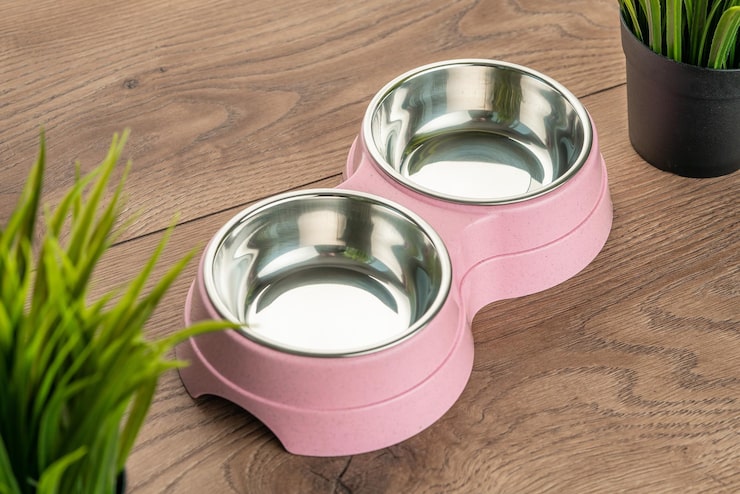
Feeding time is one of the most important parts of a dog’s daily routine. It’s not just about providing food and water—it’s about ensuring comfort, proper posture, and a setup that promotes health. One popular solution gaining traction among pet owners is the 2-in-1 raised dog bowl. These feeders combine a food and water dish in an elevated stand, offering convenience for both pets and their humans.
But with so many styles and designs available, how do you know which one is best for your dog? This guide walks you through everything you need to know before buying—from materials and sizes to design considerations and practical pros and cons.
Devices | Features | Price |
|---|---|---|
2 In 1 Raised Dog Bowls | Pet Food |
What to Consider Before Buying
1. Size and Breed Suitability
- Small dogs & puppies: Look for lower stands to avoid strain.
- Medium breeds: A mid-level elevation works best.
- Large or giant breeds: Taller raised bowls help reduce neck and joint stress.
2. Material
- Stainless Steel Bowls: Durable, easy to clean, resistant to bacteria.
- Ceramic Bowls: Stylish and heavy but prone to breakage.
- Plastic Bowls: Lightweight and affordable, though less durable over time.
- Wood or Metal Stands: Offer stability and blend well with home décor.
3. Adjustability
Some raised dog bowls come with adjustable height stands. This feature is especially useful for growing puppies or multi-dog households.
4. Ease of Cleaning
- Removable bowls make cleaning simple.
- Dishwasher-safe bowls save time.
- Smooth, non-porous surfaces prevent bacteria buildup.
5. Non-Slip Features
A good raised feeder should stay in place. Look for rubber grips, anti-tip designs, or weighted bases.
6. Design and Space-Saving
Since these feeders combine two bowls in one stand, consider the footprint. Compact, collapsible, or foldable models are great for small spaces or travel.
7. Dog’s Health Needs
- Older dogs with arthritis or joint issues benefit from elevated feeding.
- Flat-faced breeds may require shallow bowls for comfort.
- Messy eaters do better with spill-proof or splash-guard designs.
Product Summary: Types of 2-in-1 Raised Dog Bowls
| Type | Best For | Pros | Cons |
|---|---|---|---|
| Fixed Height Stands | Single-dog households | Stable, simple design, affordable | Not adjustable for different dogs |
| Adjustable Height Stands | Growing puppies, multi-dog homes | Flexible, long-term use | Slightly more expensive |
| Foldable/Portable Models | Travelers, small spaces | Easy storage, lightweight | Less sturdy for large dogs |
| Spill-Proof Designs | Messy eaters, indoors | Keeps floors clean, hygienic | May be bulkier |
| Decorative Wooden Stands | Style-conscious owners | Attractive, sturdy | Heavier, may need more cleaning |
| Metal Frame Stands | Large dogs, durability | Long-lasting, stable | Can scratch floors if unpadded |
Pros & Cons of 2-in-1 Raised Dog Bowls
✅ Pros
- Improved posture: Dogs eat without bending uncomfortably.
- Joint relief: Especially helpful for older or large breeds.
- Better digestion: Reduces gulping and encourages slower eating.
- Convenience: Food and water in one place.
- Cleaner feeding area: Reduces spills and mess on the floor.
- Stylish options: Many designs fit modern home aesthetics.
❌ Cons
- Potential overfeeding: Some raised bowls are larger, encouraging bigger portions.
- Not for every dog: Flat-faced breeds may struggle with deep bowls.
- Cost: Higher-quality stands may be more expensive than basic floor bowls.
- Durability concerns: Plastic stands can wear out faster.
Who It’s Best For
- Large Breed Owners: Prevents unnecessary strain on the neck and joints.
- Senior Dogs: Makes feeding easier and more comfortable.
- Puppy Parents: Adjustable models grow with the pup.
- Travel Enthusiasts: Foldable bowls keep dogs fed on the go.
- Busy Households: Spill-proof options help maintain cleanliness.
- Design-Focused Owners: Wooden or metal stands enhance home décor.
Real Insights: Expert Opinions & Experiences
- Veterinary advice: Many vets recommend raised bowls for dogs with arthritis, mobility issues, or joint pain. However, not all dogs require elevated feeders, so it’s important to match the design with your pet’s needs.
- Dog trainers’ perspective: Elevated bowls can help create a designated feeding area, encouraging good mealtime habits.
- Personal experience: Owners of large breeds often report that switching to raised bowls reduces mess and makes cleanup easier. One owner of a Great Dane noted that their dog showed less discomfort at mealtime after transitioning to an elevated feeder.
- Practical tip: If you have multiple dogs of varying sizes, an adjustable feeder is the most cost-effective choice in the long run.
FAQs
1. Are raised dog bowls better for all dogs?
Not necessarily. They’re best for large, senior, or arthritic dogs. Smaller breeds may not require them.
2. How tall should a raised dog bowl be?
Ideally, the top of the bowl should be level with your dog’s chest or slightly lower.
3. Do raised bowls help with digestion?
For some dogs, yes. Elevated bowls can reduce gulping and encourage slower eating.
4. Are stainless steel bowls safe?
Yes. They are one of the safest, most hygienic materials for pet bowls.
5. Can puppies use raised bowls?
Yes, especially adjustable models that grow with them. Just ensure the height is appropriate.
6. How do I clean a raised dog bowl?
Remove the bowls, wash them daily, and wipe the stand regularly to prevent bacteria buildup.
Final Recommendation
A 2-in-1 raised dog bowl is more than just a feeding accessory—it’s a tool that supports your dog’s health, comfort, and hygiene. Whether you need a sturdy, fixed-height model for a large breed, an adjustable stand for a growing puppy, or a foldable design for travel, the market offers plenty of choices.
- For large or senior dogs, raised feeders can reduce strain and improve mealtime comfort.
- For small or medium breeds, they’re a neat, mess-reducing solution.
- For multi-dog homes, adjustable models save space and money.
- For owners who value design, wooden or metal options blend style with function.
When making your purchase, focus on your dog’s size, age, and eating habits. By aligning these needs with the right feeder type, you’ll ensure mealtimes are healthier, cleaner, and more enjoyable—for both you and your furry friend.