
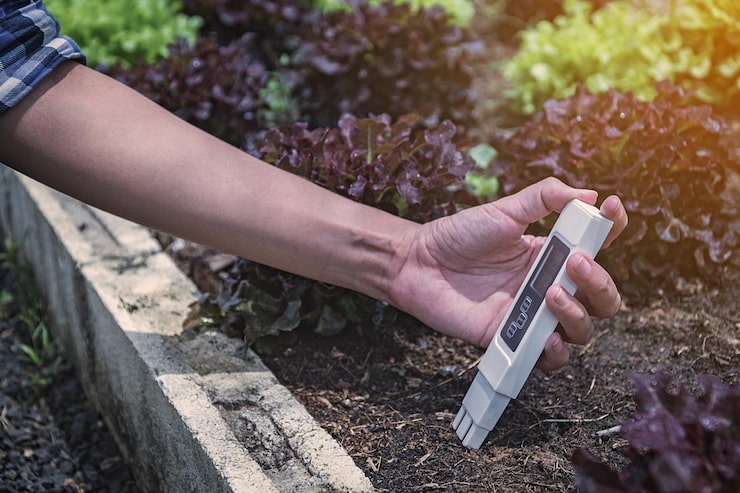
Healthy plants begin with healthy soil. Whether you’re a passionate gardener, a farmer, or someone caring for a few houseplants, understanding your soil’s condition is crucial. A 5-in-1 soil moisture meter is an all-in-one tool designed to measure moisture, pH, sunlight, temperature, and sometimes fertility levels—giving you a complete picture of your soil health in seconds.
Instead of guessing when to water or worrying if your soil is too acidic, this device provides real-time feedback. In this guide, we’ll walk you through everything you need to know before buying, including features, pros and cons, and who can benefit the most from using a 5-in-1 soil tester.
Devices | Features | Price |
|---|---|---|
5-in-1 Soil Moisture Meter | LCD Display |
What to Consider Before Buying a 5-in-1 Soil Moisture Meter
When selecting the right device, keep these important factors in mind:
1. Measurement Capabilities
Not all 5-in-1 meters are identical. Common functions include:
- Moisture: Helps prevent under or over-watering.
- pH levels: Critical for plant nutrient absorption.
- Sunlight intensity: Ensures plants get the right amount of light.
- Temperature: Essential for seed germination and growth cycles.
- Nutrient/fertility indication (in some models): Gives insights into soil enrichment needs.
2. Display and Readability
- Analog meters use a needle gauge, simple but sometimes less precise.
- Digital meters often feature backlit screens, making readings clearer, especially outdoors or in dim conditions.
3. Power Source
- Battery-powered: Portable, accurate, but require battery replacements.
- Battery-free (analog): Eco-friendly but may offer fewer features.
4. Probe Length and Build Quality
- Shorter probes work well for potted plants.
- Longer probes are better for deep-rooted plants in gardens or farms.
- Durable metal probes prevent bending or corrosion with repeated use.
5. Accuracy and Calibration
- Look for models that allow manual calibration for better accuracy.
- Some advanced meters include auto-calibration features.
6. Ease of Use
- A simple one-button operation or dial switch can save time.
- Clear labeling of functions is essential for beginners.
7. Durability
Outdoor use means exposure to moisture, dirt, and sunlight. Choose models with sturdy construction and weather resistance.
8. Budget Considerations
- Entry-level ($15–30): Basic functions like moisture and pH.
- Mid-range ($30–60): Added sunlight and temperature readings.
- High-end ($60+): Digital meters with full 5-in-1 functions and higher precision.
Product Summary: Types of Soil Meters
| Type | Functions Covered | Pros | Cons |
|---|---|---|---|
| Analog 5-in-1 | Moisture, pH, sunlight, temp, fertility | No batteries needed, simple design | Less precise, harder to read |
| Digital 5-in-1 | Same as analog but with digital display | More accurate, easy to read, backlit | Requires batteries |
| Handheld Portable Probes | Focused on soil testing in fields | Deep probe readings, sturdy build | Heavier, higher cost |
| Compact Indoor Models | Best for houseplants/pots | Lightweight, budget-friendly | Limited depth reach |
Pros & Cons of 5-in-1 Soil Moisture Meters
✅ Pros
- Multifunctional—replaces several tools.
- Prevents overwatering and underwatering.
- Helps gardeners optimize soil pH for specific plants.
- Easy to use for both beginners and professionals.
- Portable and lightweight, suitable for indoor and outdoor use.
❌ Cons
- Accuracy may vary between budget and premium models.
- Probes can wear out if used in rocky or compact soil.
- Requires careful calibration for best results.
- Digital models depend on batteries.
Who It’s Best For
- Home Gardeners: To manage potted plants, vegetable gardens, or flower beds.
- Farmers: For large-scale soil monitoring to optimize crop yield.
- Greenhouse Owners: To maintain consistent soil and environmental conditions.
- Beginners: A simple way to learn plant care without guesswork.
- Indoor Plant Enthusiasts: To avoid root rot and ensure healthy houseplants.
Real Insights & Expert Opinions
- Garden experts emphasize that pH levels directly affect nutrient absorption. A soil tester makes it easy to determine whether to add lime or sulfur for balance.
- Agricultural specialists often rely on these meters during planting seasons to evaluate soil readiness, especially for sensitive crops like tomatoes, blueberries, or citrus that require specific pH ranges.
- Personal experiences from hobby gardeners show that using a moisture meter alone prevented frequent issues like yellow leaves caused by overwatering.
One urban gardener shared that after using a 5-in-1 device, they discovered their balcony soil was holding too much water, which explained their plants’ stunted growth. Adjusting the watering schedule revived their herbs within two weeks.
FAQs
1. Do I really need all 5 functions?
Not always. If you only struggle with watering, a basic moisture meter may suffice. But for long-term gardening success, having all five functions gives a fuller soil profile.
2. How deep should I insert the probe?
For small potted plants, 2–3 inches is enough. For garden soil, insert the probe up to 6 inches or more to measure root-level conditions.
3. Can these meters be used indoors?
Yes, they work well for indoor plants, especially to monitor moisture levels and prevent root rot.
4. How accurate are soil meters?
Premium digital models are generally more accurate. Analog models are reliable but may require comparison with lab soil tests for precision.
5. Do they require maintenance?
Yes. Wipe probes clean after each use and avoid forcing them into hard or rocky soil to prevent damage.
6. Will it work for hydroponics?
No. These devices are designed for soil, not water-based systems. For hydroponics, you’ll need specialized pH and nutrient testers.
Final Recommendation
A 5-in-1 soil moisture meter is one of the most practical tools for anyone passionate about growing healthy plants. Instead of guessing, you’ll have data-driven insights into your soil’s condition.
- Choose an analog model if you want something simple, affordable, and battery-free.
- Go for a digital model if you value accuracy, readability, and additional features.
- Select long-probe testers for deeper soil analysis in gardens or farms.
- Opt for compact indoor versions if you primarily care for houseplants.
Ultimately, investing in the right soil tester helps you water smarter, optimize nutrients, and create the best possible growing environment. With consistent use, your garden or indoor plant collection will thrive—root to leaf.