
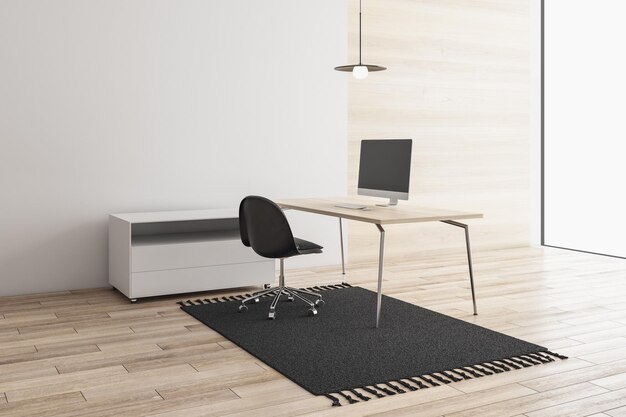
If you’ve ever struggled with rolling your office chair across carpet, you know how frustrating it can be. Not only does carpet make movement difficult, but constant chair rolling also wears down carpet fibers, leading to unsightly damage. That’s where an office chair mat for carpet comes in.
A chair mat is more than just a floor protector—it enhances mobility, reduces strain on your back and legs, and extends the life of your carpet. But with so many options available, it can be tricky to know which mat is best for your space.
This buying guide will walk you through the key factors to consider, provide comparisons of different chair mats, and help you find the right balance of comfort, durability, and practicality.
Devices | Features | Price |
|---|---|---|
Office Chair Mat for Carpet | Hardwood Floor |
What to Consider Before Buying an Office Chair Mat for Carpet
1. Carpet Thickness
Not all chair mats work for every carpet.
- Low-pile carpet (thin office carpet): Standard mats with shorter cleats are sufficient.
- Medium-pile carpet: Choose mats labeled specifically for medium thickness, with stronger grips.
- High-pile carpet or plush rugs: Requires heavy-duty mats with longer cleats or thicker construction to stay in place.
2. Mat Material
The material determines durability and ease of use.
- Polycarbonate: Strong, transparent, and resistant to cracking—ideal for heavy use.
- PVC/Vinyl: More affordable but may dent over time.
- Tempered glass: Extremely durable, stylish, and smooth to roll on, but heavier and pricier.
3. Size and Shape
Consider both your workspace layout and movement habits.
- Rectangular mats: Best for simple desk setups.
- Lipped mats: Extend under the desk for better coverage where chair wheels usually roll.
- Custom-shaped mats: Designed for corner desks or larger workstations.
4. Safety and Grip
Look for mats with cleats or grippers designed to stay in place on carpet. Smooth-backed mats are better for hard floors and may slide on carpet.
5. Environmental Impact
Many buyers prefer eco-friendly mats:
- Recycled polycarbonate or PVC options reduce plastic waste.
- Odor-free, BPA-free, and phthalate-free mats are safer for indoor air quality.
6. Weight Capacity
Consider the weight of the chair and user. Heavier setups may require thicker mats that resist cracking and denting.
Product Summary: Types of Office Chair Mats for Carpet
| Mat Type | Best For | Pros | Cons |
|---|---|---|---|
| Polycarbonate | Daily heavy office use | Durable, transparent, resistant to dents | More expensive than vinyl |
| PVC/Vinyl | Budget-conscious buyers | Affordable, flexible | Can dent, less durable |
| Tempered Glass | Premium, long-term investment | Sleek look, extremely durable | Heavy, higher cost |
| Eco-Friendly/Recycled | Green-conscious users | Lower environmental impact | May have limited designs |
Pros & Cons of Using Office Chair Mats on Carpet
Pros
✅ Protects carpet from wear, spills, and indentation.
✅ Improves mobility, making rolling smooth and effortless.
✅ Reduces body strain by minimizing resistance while moving.
✅ Enhances workspace longevity, preventing costly carpet replacements.
✅ Variety of styles to match different offices.
Cons
❌ Initial cost—quality mats can be pricey.
❌ Improper size can lead to slipping or ineffective coverage.
❌ Weight and bulk (especially glass mats) make them harder to move.
❌ Not one-size-fits-all—must be chosen according to carpet thickness.
Who an Office Chair Mat for Carpet Is Best For
- Remote workers spending hours daily in a home office.
- Corporate offices looking to extend carpet life and reduce maintenance costs.
- Gamers or students who sit at desks for long periods.
- People with mobility issues, since mats make rolling easier and reduce leg strain.
- Eco-conscious buyers who want sustainable, recycled materials.
Real Insights & Expert Opinions
- Ergonomic experts emphasize that reducing resistance while rolling prevents unnecessary stress on knees and lower back.
- Carpet installers often recommend mats to clients to extend carpet lifespan in high-use desk areas.
- Personal experience: Many home office workers note that after switching to a mat, they felt less fatigue at the end of the day because they didn’t have to constantly push harder against carpet drag.
- Practical tip: If you have plush carpet, a thin mat will sink in—always check pile depth before buying.
FAQs About Office Chair Mats for Carpet
Q1: Do I really need a chair mat for carpet?
Yes, especially if you use your chair frequently. Without a mat, carpet fibers flatten, fray, and wear out quickly.
Q2: Can I use a hardwood floor mat on carpet?
No. Mats designed for hard floors don’t have cleats and will slide around on carpet.
Q3: How thick should a chair mat be for high-pile carpet?
Generally, a ¼-inch or more thickness is best for plush or high-pile carpet.
Q4: Will a glass mat damage my carpet?
No, glass mats distribute weight evenly. However, ensure it’s tempered glass for safety.
Q5: How do I clean a chair mat?
Most mats can be cleaned with a damp cloth and mild soap. Glass mats can be cleaned like windows.
Final Recommendation
An office chair mat for carpet is not just an accessory—it’s an essential tool for protecting flooring, improving mobility, and supporting long-term comfort.
Here’s a quick recap based on needs:
- For heavy daily use → Polycarbonate or tempered glass.
- For budget-friendly setups → PVC or vinyl.
- For eco-friendly buyers → Recycled or BPA-free options.
- For plush carpets → Thick mats with strong cleats.
Choosing the right chair mat ensures a smoother work experience and prevents premature carpet damage. When buying, always match mat type to carpet thickness, check durability, and prioritize safety.
In the long run, this small investment can save you both money and discomfort, making your workspace more efficient and enjoyable.