
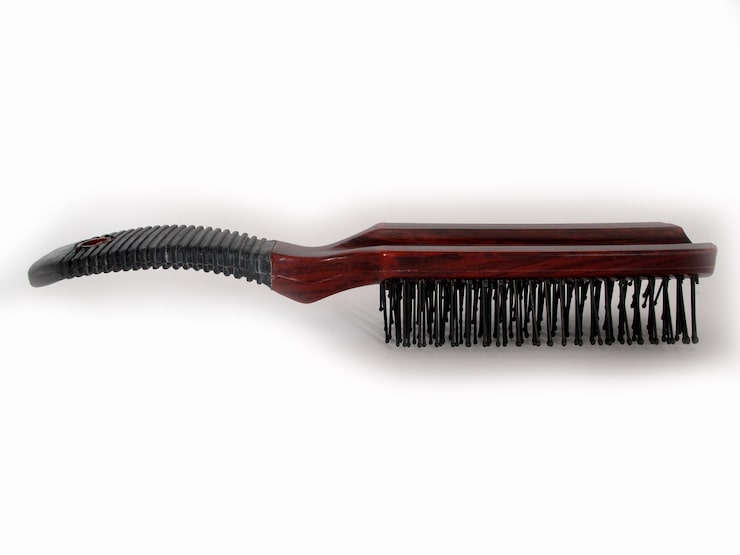
When it comes to hair care, the tools you use are just as important as the products you apply. Among them, a large paddle hairbrush stands out as a versatile essential for detangling, smoothing, and styling different hair types. With its wide base and evenly spaced bristles, a paddle brush helps distribute natural oils, reduce frizz, and leave hair looking sleek and polished.
But not all paddle brushes are created equal. Choosing the right one depends on your hair type, styling needs, and comfort preferences. This buying guideline will walk you through everything you need to know before investing in a large paddle hairbrush—covering material choices, design features, pros and cons, and expert tips.
Devices | Features | Price |
|---|---|---|
Large Paddle Hairbrush | Tail Comb Set |
What to Consider Before Buying a Large Paddle Hairbrush
1. Bristle Type
The bristles determine how gentle or firm the brush feels and how effective it is at detangling.
- Nylon bristles: Great for thick or coarse hair, offering strong detangling power.
- Boar bristles: Distribute natural oils, add shine, and work best on fine or normal hair.
- Mixed bristles: Combine nylon strength with boar smoothness for a balanced effect.
- Plastic-tipped bristles: Gentle on the scalp and suitable for sensitive users.
2. Cushion Base
Most paddle brushes feature a soft cushion base that allows bristles to flex and adapt to the scalp. This design reduces pulling and makes brushing more comfortable, especially for long or thick hair.
3. Handle Design
- Ergonomic handles reduce strain during long brushing sessions.
- Non-slip grips are ideal if you often brush wet hair after a shower.
- Wooden handles provide durability and an eco-friendly option.
4. Size & Shape
- Large paddle brushes cover more surface area, making them perfect for long or thick hair.
- Medium or compact versions are travel-friendly and suit shorter hairstyles.
5. Heat Resistance
If you often blow-dry your hair, ensure the paddle brush is designed to withstand heat without warping or melting.
6. Maintenance
Brushes with removable cushions or easy-to-clean designs save time and extend the tool’s lifespan.
Product Summary Table
| Feature | Why It Matters | Best For |
|---|---|---|
| Bristle Type | Impacts detangling, shine, and comfort | Fine, thick, curly, or damaged hair |
| Cushion Base | Adds flexibility and scalp comfort | Long brushing sessions, sensitive scalps |
| Handle Design | Improves grip and reduces fatigue | Daily styling, professional use |
| Size & Shape | Determines coverage and convenience | Long hair, travel needs |
| Heat Resistance | Safe for use with blow dryers | Regular heat styling |
| Maintenance | Affects durability and hygiene | Busy users, salon settings |
Pros & Cons of a Large Paddle Hairbrush
Pros
- Quick detangling: Large surface area makes brushing faster.
- Smooth finish: Ideal for sleek, straight styles.
- Gentle on scalp: Cushioned base prevents excessive pulling.
- Versatile: Works on wet or dry hair.
- Shine boost: Boar bristles help distribute natural oils evenly.
Cons
- Bulky size: Less convenient for travel.
- Not for tight curls: May not define curls as well as round brushes.
- Cleaning required: Wide base can trap hair and lint.
- Weight: Wooden or oversized versions may feel heavy with prolonged use.
Who It’s Best For
A large paddle hairbrush is particularly beneficial for:
- People with long, thick hair – Covers more area and reduces tangling time.
- Users seeking smooth styles – Perfect for straightening during blow-drying.
- Those with sensitive scalps – Cushioned designs and soft bristles reduce discomfort.
- Busy individuals – Quick detangling saves time.
- Eco-conscious buyers – Wooden paddle brushes provide a sustainable choice.
Real-World Insights
- For thick hair: Nylon bristles glide through knots without snapping strands.
- For fine hair: Boar bristles add shine and smoothness without pulling.
- Blow-drying tip: Pair a paddle brush with a powerful dryer for salon-like straight styles at home.
- Travel users: Consider compact versions to save space without compromising function.
Example: A stylist shared that switching clients with long, wavy hair from a round brush to a paddle brush reduced breakage and left a smoother finish.
Comparison of Popular Bristle Options
| Bristle Type | Benefits | Drawbacks | Best For |
|---|---|---|---|
| Nylon | Strong detangling, durable | Can feel harsh on sensitive scalps | Thick or coarse hair |
| Boar | Natural oil distribution, shine | Not as effective for tough knots | Fine to normal hair |
| Mixed | Balance of strength and shine | Pricier than single-type brushes | All hair types |
| Plastic-tipped | Gentle on scalp, versatile | Less shine than boar | Sensitive scalps, children |
FAQs
1. Can I use a paddle hairbrush on wet hair?
Yes, especially if the brush has flexible nylon or plastic bristles. Always brush gently to avoid breakage.
2. Are paddle brushes good for curly hair?
They’re excellent for detangling but may not define curls. Pair with a curl cream or switch to a wide-tooth comb for styling.
3. How often should I clean my brush?
Every 1–2 weeks. Remove trapped hair and wash with mild shampoo to prevent product buildup.
4. Do paddle brushes reduce frizz?
Yes. Bristles that evenly distribute natural oils can minimize frizz and add shine.
5. Can I use it with a hairdryer?
Yes, but choose a heat-resistant paddle brush to avoid damage.
6. What’s the difference between a paddle brush and a round brush?
Paddle brushes smooth and detangle, while round brushes create curls and volume during blow-drying.
Final Recommendation
A large paddle hairbrush is a must-have for anyone who values smooth, sleek, and healthy-looking hair. By choosing the right bristle type and design, you can reduce tangles, minimize breakage, and enjoy faster styling.
- For long or thick hair: Nylon bristles with a cushioned base are best.
- For fine hair: Boar bristles or mixed bristles add shine and softness.
- For frequent travelers: A compact paddle brush balances performance with portability.
Investing in a high-quality paddle brush doesn’t just improve daily styling—it also supports long-term hair health. With proper use and care, this tool can transform your routine, making your hair look effortlessly polished every day.