
As an Amazon Associate, I earn from qualifying purchases
Few things can ruin a winter day faster than freezing feet. Whether you’re hiking snowy trails, working outdoors, skiing, or simply relaxing at home, keeping your feet warm is essential for comfort and health. That’s where heated socks come in—a modern solution designed to deliver consistent warmth when the temperature drops.
Heated socks have evolved far beyond basic wool designs. Today’s models use advanced heating elements, rechargeable batteries, and breathable fabrics to provide adjustable warmth that lasts for hours. They’re ideal for outdoor adventurers, winter athletes, cold-climate workers, or anyone who simply wants to stay cozy during chilly months.
In this comprehensive buying guideline for heated socks, we’ll explore everything you need to know before purchasing—from materials and battery life to sizing, safety, and performance. By the end, you’ll have a clear understanding of which type of heated socks best suit your lifestyle and budget.
What to Consider Before Buying Heated Socks
Choosing the right heated socks isn’t just about warmth—it’s about comfort, battery efficiency, and practicality. Here’s what to evaluate before making a purchase:
1. Heating Technology and Coverage
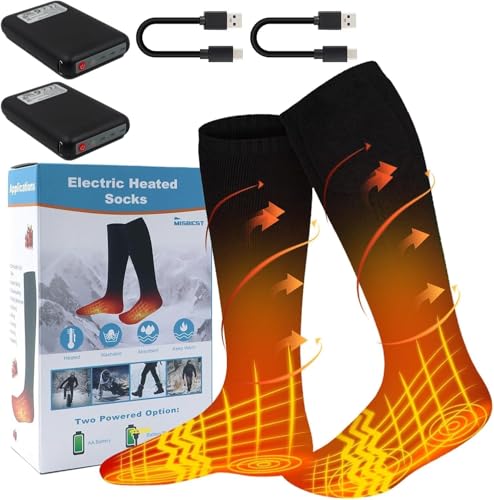
Heated socks use various heating mechanisms, often powered by rechargeable batteries or USB connections.
| Heating Type | How It Works | Coverage Area | Best For |
|---|---|---|---|
| Carbon Fiber Heating | Thin carbon fiber wires conduct heat evenly | Heats toes and instep | Everyday wear |
| Metal Wire Heating | Traditional wire coils heat up rapidly | Focused on toes | Quick warmth, short-term use |
| Infrared Heating | Uses far-infrared rays to penetrate deep tissue | Full-foot warmth | Sports and medical use |
| Hybrid Designs | Combination of wire and carbon fiber | Heats from heel to toe | Outdoor and extreme cold conditions |
Expert Insight:
If you’ll be outdoors for long hours, choose infrared or carbon fiber heating socks—they distribute warmth evenly and reduce the risk of overheating.
2. Battery Type and Runtime
Battery power determines how long your heated socks stay warm.
| Battery Type | Average Runtime | Charging Time | Notes |
|---|---|---|---|
| Rechargeable Lithium-Ion (Li-ion) | 5–10 hours | 3–4 hours | Most common and efficient |
| AA Battery Operated | 2–5 hours | Replaceable | Convenient for short use |
| USB-Powered | Continuous while plugged in | Depends on power source | Great for home or office use |
Tip: Look for adjustable heat settings—most quality heated socks offer 3 levels (low, medium, high), allowing you to balance warmth and battery life.
3. Material and Fabric Composition
The best heated socks combine warmth, moisture control, and comfort.
| Material | Benefits | Ideal Use |
|---|---|---|
| Cotton Blend | Soft and breathable | Light winter use |
| Merino Wool | Excellent insulation, odor-resistant | Cold-weather outdoor use |
| Polyester/Spandex Mix | Stretchy and quick-drying | Sports or daily wear |
| Acrylic Fiber | Retains warmth well | Casual, indoor wear |
| Hybrid (Wool + Synthetic) | Balanced performance | Multi-environment use |
Pro Tip: Choose merino wool or polyester-based socks for outdoor activities—they wick away moisture and prevent your feet from sweating.
4. Fit and Size
Heated socks should fit snugly but not tightly. A loose fit can cause uneven heating, while tight socks may restrict blood flow.
- Check Sizing Charts: Most manufacturers offer small to extra-large sizes.
- Toe Room: There should be slight space around the toes for comfort.
- Battery Placement: Ensure the battery pocket doesn’t cause discomfort around the calf or ankle.
If you plan to wear them with ski boots or work boots, consider a slimmer design that won’t add bulk.
5. Heat Settings and Controls
Modern heated socks often include easy-to-use controllers or smartphone app connectivity.
- Manual Button Controls: Usually located near the battery pocket.
- Wireless Remote: Allows you to adjust heat levels without removing footwear.
- Smart App Integration: Advanced models connect to your phone for temperature customization.
Expert Opinion:
For cold-sensitive users, adjustable heat settings provide flexibility and prevent overheating—especially useful for diabetics or people with circulation issues.
6. Battery Placement and Comfort
Battery packs are typically located near the calf or ankle, attached via small pockets. Consider:
- Weight Distribution: Lightweight batteries ensure comfort during long wear.
- Detachable Options: Makes washing and maintenance easier.
- Safety Design: Insulated connections prevent electrical issues or overheating.
7. Safety Features
Look for built-in safety mechanisms that prevent burns or overheating.
Key safety features include:
- Auto shut-off timers
- Overheat protection
- Water-resistant materials
- Short-circuit prevention systems
A reliable pair should be certified for electrical safety (e.g., CE or UL certified).
8. Maintenance and Washability
Not all heated socks are machine washable.
- Removable Batteries: Always take them out before cleaning.
- Hand Wash Recommended: Prevents wire damage.
- Air Dry Only: Avoid dryers, which can harm heating elements.
Tip: Look for socks labeled “machine washable with battery removed.” They’re easier to maintain long-term.
Product Summary: Comparing Heated Sock Features
| Feature | Basic Model | Advanced Model | Smart Model |
|---|---|---|---|
| Heat Levels | 1–2 settings | 3 adjustable settings | Custom via app |
| Battery Life | 2–4 hours | 6–10 hours | 8–12 hours |
| Material | Cotton/Poly Blend | Wool or Hybrid | Merino Wool/Tech Fabric |
| Controls | Manual | Remote or button | Smartphone integration |
| Best For | Occasional use | Regular outdoor use | Tech-savvy users, sports enthusiasts |
Pros and Cons of Heated Socks
| Pros | Cons |
|---|---|
| Provides consistent warmth in cold environments | Requires charging or battery replacement |
| Improves circulation for cold or arthritic feet | More expensive than regular socks |
| Ideal for skiing, hiking, or working outdoors | Washing requires extra care |
| Adjustable temperature settings | Battery placement may feel bulky for some users |
| Reduces frostbite risk | Limited runtime (usually under 10 hours) |
Who It’s Best For
Heated socks cater to a wide range of lifestyles. Here’s how to match the right type to your needs:
- Outdoor Workers: Long battery life and durable materials for construction, farming, or delivery work.
- Hikers and Campers: Lightweight, rechargeable socks that perform in extreme cold.
- Skiers and Snowboarders: Thin, moisture-wicking models for wearing under boots.
- Hunters and Fishermen: Infrared or full-foot heated socks with waterproofing.
- Elderly or Circulation Issues: Gentle heat settings and safety features for comfort.
- Casual Users: Affordable cotton or polyester heated socks for indoor warmth.
Real-World Insights and Expert Opinions
Outdoor Enthusiast Perspective:
Hikers often praise merino wool heated socks for their comfort and moisture control. When paired with waterproof boots, they prevent cold and dampness during long treks.
Medical Viewpoint:
According to podiatry specialists, heated socks can improve blood flow, which is particularly beneficial for people suffering from Raynaud’s disease or poor circulation.
User Experience:
Real-world users emphasize that battery location and weight play a major role in comfort. Socks with small, side-mounted battery packs feel more natural during movement.
Heated Socks Use Cases
1. Outdoor Adventures
Ideal for hikers, snowshoers, or ice fishers. They maintain foot warmth for long hours, even in sub-zero temperatures.
2. Sports and Fitness
Athletes use them for skiing, cycling, or running in cold weather. Their lightweight design allows unrestricted motion.
3. Work and Daily Use
Workers exposed to cold conditions benefit from consistent heat that prevents numbness and discomfort.
4. Home Comfort
Perfect for lounging or sleeping on cold nights, especially for people living in poorly insulated homes.
5. Medical or Therapeutic Use
Heated socks can help reduce stiffness, improve blood circulation, and relieve mild pain from arthritis or diabetes.
Tips for Using Heated Socks Efficiently
- Preheat Before Wearing: Turn them on 5–10 minutes early for maximum comfort.
- Use the Right Heat Level: Start low; increase only if needed.
- Keep Batteries Warm: Cold reduces battery efficiency—store them in a pocket when not in use.
- Pair with Insulated Footwear: Helps retain warmth longer.
- Carry Spare Batteries: Ideal for extended outdoor trips.
Maintenance and Longevity Guide
Proper care extends the lifespan of your heated socks.
- Remove batteries before washing.
- Use mild detergent and lukewarm water.
- Avoid wringing or twisting.
- Store in a dry, cool place.
- Inspect heating wires regularly for wear or tear.
With good care, quality heated socks can last 2–4 winter seasons.
Frequently Asked Questions (FAQs)
Q1: Are heated socks safe?
Yes, when used properly. Quality models feature temperature control, overheat protection, and insulated wires to ensure safety.
Q2: How long do batteries last?
Depending on the heat setting, most last 5–10 hours. Lower settings extend battery life significantly.
Q3: Can I wear heated socks indoors?
Absolutely. They’re perfect for indoor comfort during winter, especially on tile or hardwood floors.
Q4: Are they waterproof?
Most are water-resistant, not waterproof. Avoid submerging them completely.
Q5: Can they help with circulation problems?
Yes. Gentle warmth encourages blood flow and reduces numbness. Always consult a doctor for medical conditions.
Q6: How do I clean them safely?
Hand wash or use a gentle machine cycle with batteries removed. Air dry only.
Q7: Are there options for kids?
Yes, some brands offer smaller heated socks designed for children’s safety and comfort.
Final Recommendation
When it comes to comfort in cold weather, heated socks are a game-changer. They provide consistent, controllable warmth, ensuring your feet stay cozy whether you’re adventuring outdoors or relaxing indoors.
Key Takeaways Before Buying:
- Choose carbon fiber or infrared heating for even warmth.
- Opt for rechargeable lithium batteries with adjustable settings.
- Prioritize breathable, moisture-wicking materials like merino wool.
- Ensure proper fit and battery placement for comfort.
- Maintain your socks regularly for long-term performance.
Top Recommendation by Use:
- Outdoor Work: Long battery life, durable fabrics.
- Sports and Skiing: Lightweight, quick-drying, adjustable heat.
- Indoor Comfort: Soft, rechargeable options with low heat settings.
- Medical Needs: Even warmth, safety certifications, gentle fabrics.
Heated socks blend technology and comfort in a way that ordinary socks simply can’t match. Whether you’re braving harsh winter weather or simply trying to keep your feet toasty at home, the right pair will make all the difference.
Warmth is not a luxury—it’s a necessity.
Invest wisely, care properly, and enjoy cozy feet all winter long.

Latest Post
- Right Choices: Everyday Buying Guide
 PHI VILLA Garden Chairs Set of 2, Patio Chairs Stackable Outdoor Dining Chairs High Back, Textilene Fabric and E-Coating Metal Frame for Backyard Porch Poolside PHI VILLA Garden Table for 4, Square Metal Outdoor Dining Table with Carbon Crystal Tabletop and Marble Texture, E-Coating Patio Table for Backyard Porch Poolside, 94 x 94 x 74cm… Read more: Right Choices: Everyday Buying Guide
 - Best Buys: Everyday Essentials Guide
 OBEST Action Camera, 1080p Mini Thumb Action Camera,360° Body Camera Magnetic Pocket Body Cam, 128GB Card, Ip68 Waterproof, Mini Body Camera for Motorcycle, Bike, Work, Travel Mini Projector HD 1080P 4K Supported Smart Projectors Auto Keystone & Focus 22000 Lumen 260 ANSI Bightness WIFI 6 and Bluetooth Home Theatre 200″ w 270°Rotatable Stand for Game/Bedroom/Outdoor/Phone… Read more: Best Buys: Everyday Essentials Guide
 - Tap Smart: Ultimate Tablet Buying Guide
 DOOGEE Tab E3 Max 14 Inch Tablet Android 15 Gaming Tablet 13500mAh Large Battery MTK G100 Octa-Core 32GB RAM+256GB ROM (2TB TF), 2.1K (2160 * 1440) Display 16MP+2MP+8MP 4G LTE/5G WLAN/GPS/GMS – Blue DOOGEE U10 Android 16 Tablets, 10 Inch HD+ IPS Tablet, 16GB RAM+128GB ROM+2TB AI Tablet, 5060mAh Android Tablets, 8MP+5MP Cameras, Gemini AI/Widevine… Read more: Tap Smart: Ultimate Tablet Buying Guide
 - Find Your Perfect Smartphone
 DOOGEE Blade 10 Power Rugged Smartphone, Android 16 Rugged Phone With 10300mAh&18W Flash Charging, 24GB+256GB/2TB, Octa Core, 50MP Camera, 6.6″ HD+ 90Hz, 3 Cards Slots, Fingerprint, Face ID, NFC, GPS DOOGEE Blade10 Max Rugged Smartphone, 10300mAh Battery, 1.54” Touch Back Screen, 20GB RAM 256GB ROM, 6.56″ 90Hz FHD+ Display, IP69K Waterproof, 4G Dual SIM, 3… Read more: Find Your Perfect Smartphone
 - Smart Picks: Daily Use Buying Guide
 Trsaow Electric Fence Energiser 12V 2J, 10 km Range,IP44 Electric fence posts, Electric Fence Tester Insulators, Weatherproof Kit for Horses, Cattle, Pigs, Goats, 2J Output, 3 Ways to Power Hair Dryer High Speed for Women,2000W Professional Blow Dryer, Fast Drying Negative Ion Hairdryer Blowdrye, 3 Heat Settings & Speed, 1 Diffuser & 1 Nozzle for… Read more: Smart Picks: Daily Use Buying Guide
 - Easy Guide to the Best Tablets
 DOOGEE Tab A9 Pro Android 16 Tablet with Keyboard, Gemini AI 20GB RAM+128GB(2TB) ROM Unisoc T310 10 inch Tablets 6580mAh Battery AI Camera|5G WiFi|Bluetooth|Face ID|3.5mm Gaming Tablet with Pen Black DOOGEE T10W Android 15 Tablets 2025, 10 inch Tablet with SIM Card Slots, 16GB RAM+128GB ROM/2TB, Android Tablets, 8000mAh, Tablet with Keyboard/Pen/Mouse/Case, 4G LTE/Widevine L1/Face… Read more: Easy Guide to the Best Tablets
 - Sleep Better: Mattress Buying Guide
 Inofia Double Mattresses 4FT6,30CM Memory foam Pocket Sprung Hybrid Mattress,Orthopaedic Pressure Relief & Motion Isolation,Medium Firm,Mattress in a Box Resspry Small Double Size Mattress,12 Inch Memory Foam Sprung Mattress 4FT for Pressure Relief and Cool Sleep, Supportive Medium Firm Hybrid Mattress,The Nocturne Collection(120×190×30cm) I may earn a small commission when you shop through my links,… Read more: Sleep Better: Mattress Buying Guide
 - Find Your Perfect Tablet Today
 POCKAM P10 Kid Kids Tablet, 32GB RAM + 64GB ROM, 90Hz Android 16 Tablet with Gemini AI, Quad-Core T310, 10.1” IPS HD Screen, 7000mAh, 5G WIFI, 10 inch Talet with Stylus Pen, Silicone Case-Blue DOOGEE TAB G6 PRO Android 16 Tablet 12 Inch Android Tablets, 2.4K 90Hz, 36GB+128GB/2TB Tablet with Sim Card Slot, 9000mAh,Helio G100… Read more: Find Your Perfect Tablet Today
 - Tablet Picks: Smart Buying GuideDOOGEE TAB A9+ 2025 Newest 11 Inch Android 15 Tablet, 8580mAh Tablet With Keyboard, T7200 Octa Core Android Tablets, 20GB + 64GB/2TB Tablets With Pen, 13+5MP, 2 Speakers + Widevine L1, Mouse & Case DOOGEE TAB A9+ 2025 Newest 11 Inch Android 15 Tablet, 8580mAh Tablet With Keyboard, T7200 Octa Core Android Tablets, 20GB +… Read more: Tablet Picks: Smart Buying Guide
- Tap Smart: Ultimate Tablet Buying Guide
 Introduction Tablets have become one of the most versatile digital devices in modern life. They combine the portability of a smartphone with the functionality of a laptop, making them ideal for entertainment, productivity, learning, creativity, and communication. Whether you want a device for streaming movies, attending online classes, reading digital books, sketching artwork, or handling… Read more: Tap Smart: Ultimate Tablet Buying Guide
 - Tablet Buying Made Easy
 Aorlym P10 Android 16 Tablet, 10 Inch Tablet, 48GB RAM+128GB ROM/2TB TF, Gemini AI, 90Hz Display, 7000mAh, 5W OTG, 5G WiFi, Face ID, OTG, GPS, 3.5mm Jack, Widevine L1, Tablet with keyboard DOOGEE TAB A9+ 2025 Newest Android 16 Tablet with Gemini AI, 11 Inch 8580mAh Tablet With Keyboard, T7200 Octa Core Android Tablets, 20GB+64GB… Read more: Tablet Buying Made Easy
 - Smart Choices: Everyday Essentials Buying Guide –AMZCHEF Coffee Machine 20 Bar, 1350W Espresso Machine, Compact Stainless Steel Coffee Machines with LED Touch Screen, Powerful Steam Wand, Removable Water Tank AMZCHEF Burr Coffee Grinder, Coffee Grinders Electric with 45 Precise Grind Settings, Adjustable Portafilter Holder & LED Touchscreen – Anti-Static, Easy Clean AMZCHEF Cold Press Juicer Machines, 3-IN-1 Masticating Juicer with 2… Read more: Smart Choices: Everyday Essentials Buying Guide –
- Smart Choices: Everyday Essentials Buying GuideOBEST Action Camera 1080P HD, Mini Body Cam 120° Wide Angle, Sport Camera Night Vision Infrared, 0.85inch Screen 10+ Multi-function Accessories for Cycling/Vlogging/Skiing/Surfing (No SD Card) Mitclear Heavy Duty Wire Broom with Telescopic Handle(57IN), Stiff Metal Bristle Brush for Removing Weed Moss Algae, Outdoor Floor Scrub Brush for Patio, Deck, Garden Kids Metal Detector, Potuem… Read more: Smart Choices: Everyday Essentials Buying Guide
- Smart Picks: Mobile Phone Buying GuideOSCAL Mobile Phones 5G, Tiger 8 Smartphone Android 15 (2026), NFC Android Phone, 120Hz, 12GB+128GB/2TB TF Octa Core, 6.88”HD, 5000mAh Dual SIM Unlocked, 16MP Camera (10X), Fingerprint/FaceID, Black OSCAL Marine3 Slim & Portable Rugged Smartphone (2026-3YRW),32G RAM +128GB/2TB Rugged Phone, NFC, Android 16 Phone, Doke AI &OS 5, IP69K Protection,6.56″ HD,90HZ,16MP Night, Dual SIM/1TF Slots,… Read more: Smart Picks: Mobile Phone Buying Guide
- Shuffle Like a Pro: Your Ultimate Card Shuffler Buying GuideCard Shuffler Machine, 3000mAh Automatic Card Shuffler with USB Charging Cable, Two-deck Card Shuffling Machine, Low Noise Card Shufflers suitable for UNO, Poker, Texas Hold’em and blackjack As an Amazon Associate, I earn from qualifying purchases Whether you’re a casual card player or host weekly poker nights, shuffling can quickly become tedious—especially when playing multiple… Read more: Shuffle Like a Pro: Your Ultimate Card Shuffler Buying Guide