
As an Amazon Associate, I earn from qualifying purchases
Winter brings with it a mix of beauty and challenge — chilly winds, cozy evenings, and a pressing need to stay warm without sacrificing comfort or style. Whether you’re commuting to work, going on outdoor adventures, or simply taking a stroll in frosty weather, the right winter jacket makes all the difference.
Buying a winter jacket may seem straightforward, but the variety of materials, insulation types, and designs can make it overwhelming. Do you go for down or synthetic insulation? Waterproof or water-resistant? Lightweight or heavy-duty?
This buying guideline for winter jackets helps you make a confident and informed choice, whether you need something stylish for city life or durable for mountain adventures. The goal is simple: to find a jacket that matches your climate, lifestyle, and comfort preferences — while giving you the warmth you need through the coldest months.
Why Choosing the Right Winter Jacket Matters
A good winter jacket is an investment. It doesn’t just keep you warm — it protects you from wind, rain, and snow, helping maintain your body temperature even in harsh environments.
Beyond warmth, it plays a role in comfort, mobility, and even health. Wearing the wrong type of jacket can lead to overheating, excessive sweating, or, conversely, insufficient insulation.
A well-chosen jacket ensures:
- Thermal insulation without excessive bulk.
- Wind and moisture protection for harsh weather.
- Durability for outdoor use or daily wear.
- Comfort and breathability for active lifestyles.
What to Consider Before Buying a Winter Jacket
Before buying, take time to evaluate the essential factors that define performance, comfort, and value.
1. Know Your Climate and Intended Use
The first step is understanding where and how you’ll be using your jacket. Not all “winter” jackets are created for the same temperature range or activity level.
| Environment | Recommended Type | Ideal Features |
|---|---|---|
| Mild winters | Light insulated or fleece jacket | Breathable, water-resistant, windproof |
| Cold but dry | Down-filled jacket | Lightweight, high insulation |
| Wet and snowy | Synthetic-insulated waterproof jacket | Quick-drying, sealed seams |
| Extreme cold | Heavy-duty parka | Windproof, multi-layered insulation |
| Active outdoor use (hiking, skiing) | Technical performance jacket | Breathable, moisture-wicking, flexible |
Your jacket’s effectiveness depends on matching it to your conditions — not just its looks or brand reputation.
2. Understanding Insulation Types
The insulation inside your jacket determines how well it traps heat. There are three main types:
a. Down Insulation
Down is made from the soft under feathers of ducks or geese. It’s prized for its exceptional warmth-to-weight ratio.
Pros:
- Extremely lightweight and compressible.
- Long-lasting when properly cared for.
- Provides excellent warmth for dry, cold conditions.
Cons:
- Loses insulation ability when wet.
- Requires delicate washing and drying.
- Usually more expensive than synthetic options.
Best For: Dry, cold climates and everyday wear where moisture exposure is minimal.
b. Synthetic Insulation
Synthetic jackets use polyester fibers designed to mimic down while retaining warmth even when damp.
Pros:
- Insulates even when wet.
- Easier to clean and dry quickly.
- Typically more affordable.
Cons:
- Bulkier and heavier than down.
- Slightly less compressible.
- Can wear down faster over time.
Best For: Wet or humid climates, or for outdoor sports and travel.
c. Hybrid Insulation
Some modern jackets combine down and synthetic fill to balance warmth, water resistance, and comfort.
Pros:
- Offers the best of both worlds.
- Retains warmth even in light moisture.
- Often more versatile for varied climates.
Cons:
- Can be pricier due to advanced materials.
- Slightly heavier than pure down.
Best For: Mixed weather conditions or travelers who move between climates.
3. Shell Material and Weather Protection
The outer fabric (or shell) plays a key role in protecting you from wind, rain, and snow.
a. Waterproof vs. Water-Resistant
- Waterproof jackets use sealed seams and advanced coatings (like polyurethane or DWR treatments) to block water completely.
- Water-resistant jackets repel light rain or snow but aren’t suited for prolonged exposure.
For heavy rain or snow, always choose waterproof. For everyday winter wear, water-resistant may suffice.
b. Windproofing
Wind can strip away body heat quickly. Jackets with windproof membranes or tightly woven shells protect against cold gusts — essential for outdoor or mountain use.
c. Breathability
A jacket that traps moisture can cause discomfort. Look for breathable fabrics that allow perspiration to escape, especially if you’ll be active outdoors.
4. Layering Compatibility
Your winter jacket should work well with other layers underneath. Depending on the climate, you might layer a base shirt, fleece, or light sweater beneath it.
Look for features such as:
- Adjustable cuffs and hems.
- Spacious fit without being bulky.
- Ventilation zippers for active wearers.
5. Weight and Packability
If you travel frequently or hike, a lightweight, compressible jacket is ideal. Down jackets usually pack into small pouches, making them perfect for travel.
For city use or stationary activities, a heavier parka provides better warmth and wind protection.
6. Fit and Comfort
A perfect fit is key for performance and style. When trying a jacket, ensure you have enough room for layering while maintaining mobility.
Check for:
- Shoulder flexibility.
- Proper sleeve length (covers wrists fully).
- Adjustable drawcords at waist or hood.
- Snug yet non-restrictive zippers and cuffs.
7. Style and Design
While warmth is priority number one, your jacket should reflect your personality and usage. Common styles include:
- Parkas: Long, heavy, ideal for extreme cold.
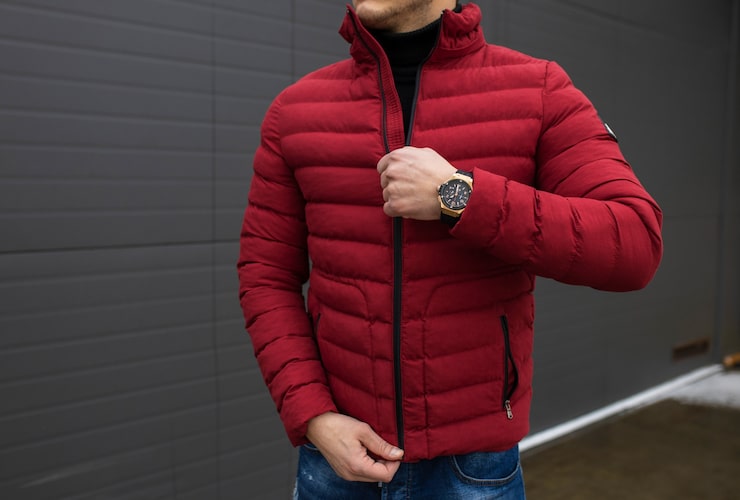
- Puffer Jackets: Quilted, lightweight, versatile for city or travel.
- Softshells: Flexible and breathable for active use.
- Fleece Jackets: Great as mid-layers or for mild winters.
- 3-in-1 Jackets: Versatile designs that include removable liners for adjustable warmth.
8. Additional Features to Look For
Small details often make a big difference in comfort and functionality.
- Hood: Adjustable or removable options protect against wind and snow.
- Pockets: Fleece-lined hand pockets add warmth; inside pockets secure valuables.
- Zippers: Two-way or waterproof zippers enhance usability.
- Adjustable Cuffs & Hems: Keep warmth in and wind out.
- Ventilation Panels: Ideal for hikers or skiers to release heat.
9. Durability and Maintenance
A winter jacket is an investment meant to last years. Check stitching quality, zippers, and material thickness before buying.
Maintenance Tips:
- Follow washing instructions carefully — down requires delicate cleaning.
- Reapply waterproof coatings annually if applicable.
- Store in a dry, ventilated area to prevent mildew or odor.
Comparing Winter Jacket Types
| Type | Warmth Level | Best For | Pros | Cons |
|---|---|---|---|---|
| Down Jacket | Very High | Dry, cold climates | Lightweight, compressible | Loses warmth when wet |
| Synthetic Jacket | Medium–High | Wet or mixed climates | Dries fast, affordable | Bulkier |
| Parka | Very High | Extreme cold | Maximum coverage, windproof | Heavy |
| Softshell Jacket | Medium | Active use | Breathable, flexible | Less insulation |
| 3-in-1 Jacket | Variable | All climates | Versatile, year-round use | Slightly heavier |
| Fleece Jacket | Low–Medium | Mild winters | Soft, lightweight | Not windproof or waterproof |
Pros and Cons of Winter Jackets
Pros
- Protects against cold, wind, and snow.
- Enhances comfort in outdoor and daily activities.
- Available in various designs and insulation levels.
- Modern fabrics improve warmth without bulk.
- Some models are versatile for multiple seasons.
Cons
- Quality jackets can be expensive.
- Down requires careful maintenance.
- Incorrect insulation type may cause overheating.
- Bulky jackets limit movement in active use.
Who It’s Best For
A winter jacket isn’t just for mountaineers or travelers — it’s for anyone facing cold weather.
- Urban Commuters: Lightweight insulated or softshell jackets that balance style and warmth.
- Outdoor Enthusiasts: Waterproof, windproof jackets for hiking, skiing, or camping.
- Travelers: Packable down jackets for cold destinations.
- Extreme Cold Residents: Heavy-duty parkas with fur-lined hoods for maximum warmth.
- Children & Teens: Durable synthetic jackets with easy maintenance.
Expert Insights
Outdoor gear specialists often stress the importance of balancing insulation, breathability, and protection. A common mistake people make is buying a jacket that’s too warm for their climate, leading to sweating and discomfort.
Professional hikers recommend synthetic jackets for high-movement activities since they stay warm even when damp, while down jackets are best for casual wear or cold, dry environments.
Personal experiences also reveal that layering flexibility is often more practical than extreme insulation — allowing users to adapt their warmth level throughout the day.
Care and Maintenance Tips
- Read Labels Carefully: Each material has unique cleaning requirements.
- Use Mild Detergent: Avoid harsh chemicals or bleach.
- Air-Dry or Low Heat: Prevent damage to synthetic fibers or down fill.
- Re-waterproof Annually: Use spray-on treatments for shells.
- Store Properly: Hang your jacket; don’t compress it for long periods.
Proper care extends your jacket’s life and preserves its performance.
Practical Use Cases
1. Daily Commuting
Choose a stylish, lightweight insulated jacket with moderate warmth. It should pair easily with office wear while keeping you comfortable during short walks.
2. Winter Sports
A waterproof, breathable, and flexible jacket allows movement without overheating. Look for built-in ventilation and snow skirts.
3. Hiking and Trekking
Go for a durable, packable jacket with weatherproofing. Synthetic fill is ideal since it resists moisture from sweat or rain.
4. Extreme Cold or Snowy Regions
Heavy-duty parkas with long coverage, insulated hoods, and windproof shells offer maximum protection.
5. Travel and Multi-Season Use
Opt for 3-in-1 jackets or hybrid insulation models to adapt to varying temperatures and conditions.
Common Buying Mistakes to Avoid
- Ignoring Climate Needs: Don’t buy the warmest jacket if your winter is mild.
- Choosing the Wrong Size: Too tight restricts layering; too loose loses heat.
- Overlooking Breathability: Non-breathable materials trap sweat.
- Skipping Durability Checks: Weak stitching or poor zippers shorten lifespan.
- Neglecting Functionality: Focus on features like hood design, pockets, and zippers, not just appearance.
Frequently Asked Questions (FAQs)
1. Should I choose down or synthetic insulation?
If you live in a dry climate or want maximum warmth with minimal weight, choose down. For wet, humid, or unpredictable weather, synthetic is more reliable.
2. What’s the best jacket for heavy snow?
A waterproof parka or synthetic-insulated jacket with sealed seams is ideal for snowy and windy conditions.
3. How long does a good winter jacket last?
With proper care, a high-quality jacket can last 5 to 10 years or longer.
4. Are lightweight jackets warm enough for winter?
Modern materials make lightweight jackets surprisingly warm — especially those with efficient insulation and windproof shells.
5. How do I know if a jacket fits properly?
You should be able to move your arms freely and layer a sweater underneath without tightness. The hem should cover your waist or hips, depending on style.
6. Can one jacket work for all activities?
A 3-in-1 jacket offers the most versatility, letting you adapt insulation levels depending on temperature and activity.
Environmental Considerations
As sustainability becomes more important, many winter jackets now use:
- Recycled insulation (made from post-consumer plastics).
- Ethically sourced down certified by responsible standards.
- Eco-friendly waterproof coatings without harmful chemicals.
Choosing eco-conscious products supports both environmental health and responsible manufacturing.
Final Recommendation
When buying a winter jacket, balance warmth, functionality, and comfort according to your specific needs. Consider your climate, activity level, and style preferences before deciding.
- For urban daily wear, a medium-weight down or synthetic jacket with water resistance is ideal.
- For outdoor adventures, prioritize waterproofing, breathability, and durability.
- For travelers, packable down jackets save space and offer reliable warmth.
- For extreme cold, heavy parkas with multiple insulation layers and adjustable hoods offer unbeatable protection.
Latest Post
- Right Choices: Everyday Buying Guide
 PHI VILLA Garden Chairs Set of 2, Patio Chairs Stackable Outdoor Dining Chairs High Back, Textilene Fabric and E-Coating Metal Frame for Backyard Porch Poolside PHI VILLA Garden Table for 4, Square Metal Outdoor Dining Table with Carbon Crystal Tabletop and Marble Texture, E-Coating Patio Table for Backyard Porch Poolside, 94 x 94 x 74cm… Read more: Right Choices: Everyday Buying Guide
 - Best Buys: Everyday Essentials Guide
 OBEST Action Camera, 1080p Mini Thumb Action Camera,360° Body Camera Magnetic Pocket Body Cam, 128GB Card, Ip68 Waterproof, Mini Body Camera for Motorcycle, Bike, Work, Travel Mini Projector HD 1080P 4K Supported Smart Projectors Auto Keystone & Focus 22000 Lumen 260 ANSI Bightness WIFI 6 and Bluetooth Home Theatre 200″ w 270°Rotatable Stand for Game/Bedroom/Outdoor/Phone… Read more: Best Buys: Everyday Essentials Guide
 - Tap Smart: Ultimate Tablet Buying Guide
 DOOGEE Tab E3 Max 14 Inch Tablet Android 15 Gaming Tablet 13500mAh Large Battery MTK G100 Octa-Core 32GB RAM+256GB ROM (2TB TF), 2.1K (2160 * 1440) Display 16MP+2MP+8MP 4G LTE/5G WLAN/GPS/GMS – Blue DOOGEE U10 Android 16 Tablets, 10 Inch HD+ IPS Tablet, 16GB RAM+128GB ROM+2TB AI Tablet, 5060mAh Android Tablets, 8MP+5MP Cameras, Gemini AI/Widevine… Read more: Tap Smart: Ultimate Tablet Buying Guide
 - Find Your Perfect Smartphone
 DOOGEE Blade 10 Power Rugged Smartphone, Android 16 Rugged Phone With 10300mAh&18W Flash Charging, 24GB+256GB/2TB, Octa Core, 50MP Camera, 6.6″ HD+ 90Hz, 3 Cards Slots, Fingerprint, Face ID, NFC, GPS DOOGEE Blade10 Max Rugged Smartphone, 10300mAh Battery, 1.54” Touch Back Screen, 20GB RAM 256GB ROM, 6.56″ 90Hz FHD+ Display, IP69K Waterproof, 4G Dual SIM, 3… Read more: Find Your Perfect Smartphone
 - Smart Picks: Daily Use Buying Guide
 Trsaow Electric Fence Energiser 12V 2J, 10 km Range,IP44 Electric fence posts, Electric Fence Tester Insulators, Weatherproof Kit for Horses, Cattle, Pigs, Goats, 2J Output, 3 Ways to Power Hair Dryer High Speed for Women,2000W Professional Blow Dryer, Fast Drying Negative Ion Hairdryer Blowdrye, 3 Heat Settings & Speed, 1 Diffuser & 1 Nozzle for… Read more: Smart Picks: Daily Use Buying Guide
 - Easy Guide to the Best Tablets
 DOOGEE Tab A9 Pro Android 16 Tablet with Keyboard, Gemini AI 20GB RAM+128GB(2TB) ROM Unisoc T310 10 inch Tablets 6580mAh Battery AI Camera|5G WiFi|Bluetooth|Face ID|3.5mm Gaming Tablet with Pen Black DOOGEE T10W Android 15 Tablets 2025, 10 inch Tablet with SIM Card Slots, 16GB RAM+128GB ROM/2TB, Android Tablets, 8000mAh, Tablet with Keyboard/Pen/Mouse/Case, 4G LTE/Widevine L1/Face… Read more: Easy Guide to the Best Tablets
 - Sleep Better: Mattress Buying Guide
 Inofia Double Mattresses 4FT6,30CM Memory foam Pocket Sprung Hybrid Mattress,Orthopaedic Pressure Relief & Motion Isolation,Medium Firm,Mattress in a Box Resspry Small Double Size Mattress,12 Inch Memory Foam Sprung Mattress 4FT for Pressure Relief and Cool Sleep, Supportive Medium Firm Hybrid Mattress,The Nocturne Collection(120×190×30cm) I may earn a small commission when you shop through my links,… Read more: Sleep Better: Mattress Buying Guide
 - Find Your Perfect Tablet Today
 POCKAM P10 Kid Kids Tablet, 32GB RAM + 64GB ROM, 90Hz Android 16 Tablet with Gemini AI, Quad-Core T310, 10.1” IPS HD Screen, 7000mAh, 5G WIFI, 10 inch Talet with Stylus Pen, Silicone Case-Blue DOOGEE TAB G6 PRO Android 16 Tablet 12 Inch Android Tablets, 2.4K 90Hz, 36GB+128GB/2TB Tablet with Sim Card Slot, 9000mAh,Helio G100… Read more: Find Your Perfect Tablet Today
 - Tablet Picks: Smart Buying GuideDOOGEE TAB A9+ 2025 Newest 11 Inch Android 15 Tablet, 8580mAh Tablet With Keyboard, T7200 Octa Core Android Tablets, 20GB + 64GB/2TB Tablets With Pen, 13+5MP, 2 Speakers + Widevine L1, Mouse & Case DOOGEE TAB A9+ 2025 Newest 11 Inch Android 15 Tablet, 8580mAh Tablet With Keyboard, T7200 Octa Core Android Tablets, 20GB +… Read more: Tablet Picks: Smart Buying Guide
- Tap Smart: Ultimate Tablet Buying Guide
 Introduction Tablets have become one of the most versatile digital devices in modern life. They combine the portability of a smartphone with the functionality of a laptop, making them ideal for entertainment, productivity, learning, creativity, and communication. Whether you want a device for streaming movies, attending online classes, reading digital books, sketching artwork, or handling… Read more: Tap Smart: Ultimate Tablet Buying Guide
 - Tablet Buying Made Easy
 Aorlym P10 Android 16 Tablet, 10 Inch Tablet, 48GB RAM+128GB ROM/2TB TF, Gemini AI, 90Hz Display, 7000mAh, 5W OTG, 5G WiFi, Face ID, OTG, GPS, 3.5mm Jack, Widevine L1, Tablet with keyboard DOOGEE TAB A9+ 2025 Newest Android 16 Tablet with Gemini AI, 11 Inch 8580mAh Tablet With Keyboard, T7200 Octa Core Android Tablets, 20GB+64GB… Read more: Tablet Buying Made Easy
 - Smart Choices: Everyday Essentials Buying Guide –AMZCHEF Coffee Machine 20 Bar, 1350W Espresso Machine, Compact Stainless Steel Coffee Machines with LED Touch Screen, Powerful Steam Wand, Removable Water Tank AMZCHEF Burr Coffee Grinder, Coffee Grinders Electric with 45 Precise Grind Settings, Adjustable Portafilter Holder & LED Touchscreen – Anti-Static, Easy Clean AMZCHEF Cold Press Juicer Machines, 3-IN-1 Masticating Juicer with 2… Read more: Smart Choices: Everyday Essentials Buying Guide –
- Smart Choices: Everyday Essentials Buying GuideOBEST Action Camera 1080P HD, Mini Body Cam 120° Wide Angle, Sport Camera Night Vision Infrared, 0.85inch Screen 10+ Multi-function Accessories for Cycling/Vlogging/Skiing/Surfing (No SD Card) Mitclear Heavy Duty Wire Broom with Telescopic Handle(57IN), Stiff Metal Bristle Brush for Removing Weed Moss Algae, Outdoor Floor Scrub Brush for Patio, Deck, Garden Kids Metal Detector, Potuem… Read more: Smart Choices: Everyday Essentials Buying Guide
- Smart Picks: Mobile Phone Buying GuideOSCAL Mobile Phones 5G, Tiger 8 Smartphone Android 15 (2026), NFC Android Phone, 120Hz, 12GB+128GB/2TB TF Octa Core, 6.88”HD, 5000mAh Dual SIM Unlocked, 16MP Camera (10X), Fingerprint/FaceID, Black OSCAL Marine3 Slim & Portable Rugged Smartphone (2026-3YRW),32G RAM +128GB/2TB Rugged Phone, NFC, Android 16 Phone, Doke AI &OS 5, IP69K Protection,6.56″ HD,90HZ,16MP Night, Dual SIM/1TF Slots,… Read more: Smart Picks: Mobile Phone Buying Guide
- Shuffle Like a Pro: Your Ultimate Card Shuffler Buying GuideCard Shuffler Machine, 3000mAh Automatic Card Shuffler with USB Charging Cable, Two-deck Card Shuffling Machine, Low Noise Card Shufflers suitable for UNO, Poker, Texas Hold’em and blackjack As an Amazon Associate, I earn from qualifying purchases Whether you’re a casual card player or host weekly poker nights, shuffling can quickly become tedious—especially when playing multiple… Read more: Shuffle Like a Pro: Your Ultimate Card Shuffler Buying Guide